
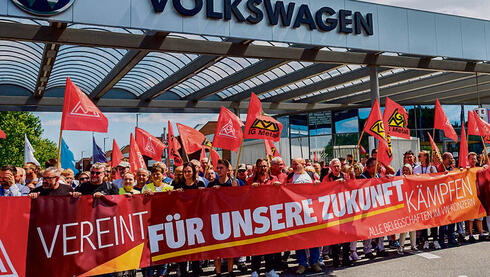
Israeli defense company Rafael had ambitious plans to produce missile-defense components at Volkswagen’s Osnabrück facility. The collaboration was set to preserve approximately 2,300 jobs at the plant, but it encountered an unexpected obstacle when Volkswagen’s significant Qatari stakeholder intervened.
Rafael’s Strategic Partnership with Volkswagen
Rafael, known for its cutting-edge defense technology, aimed to leverage Volkswagen’s manufacturing capabilities to enhance its missile-defense systems. The initiative represented a strategic move that could not only bolster Rafael’s position in the global defense sector but also provide sustainability for jobs within the local community. This partnership appeared to be mutually beneficial; the plant’s workforce would remain intact, and Volkswagen would diversify its operations beyond traditional automotive manufacturing.
However, the collaboration’s potential was impeded by the influence of Volkswagen’s Qatari shareholder. This stakeholder’s interests reportedly led to a halt in discussions about the partnership. The reasons behind this intervention remain somewhat opaque, but it highlights the complex web of international relations and corporate governance that often affects business decisions at this level.
Impact on Employment and the Local Economy
The decision to block this partnership raises significant concerns regarding job security at the Osnabrück plant. The protection of 2,300 jobs is not just an economic metric; it’s a significant aspect of the community’s stability and livelihood. Local economies rely heavily on high-employment industries, which provide not only jobs but also contribute to overall economic growth and development.
As companies like Rafael seek to expand their operations to meet increasing global demand for defense technologies, local labor markets must adapt to these shifts. The lack of this partnership means that job opportunities in advanced manufacturing will remain limited, stifling innovation and economic diversification in the region.
The Geopolitical Landscape and Corporate Decisions
The interaction between corporate interests and geopolitical factors cannot be understated. The influence of Qatar, known for its strategic investments in various sectors, can lead to conflicts of interest when it comes to partnerships with Israeli firms. This situation exemplifies the complexities of global business in a landscape where politics often overlap with commerce.
As global defense needs evolve, the demand for collaborations among nations may increase, yet companies must navigate these intricate relations. The Osnabrück case serves as a reminder that while technological advancement is critical, socio-political dynamics can halt progress. For Rafael and similar companies, building strategic partnerships in a politically volatile environment may require new approaches or alliances to overcome these challenges.
Looking Ahead: Future Opportunities
While the halt of the Rafael-Volkswagen partnership represents a setback, it also opens up discussions about future opportunities in the defense sector. As nations reassess their defense priorities and investments, alternative partnerships may emerge. Rafael could consider collaborating with other manufacturers or exploring partnerships in regions less influenced by geopolitical tensions.
Furthermore, Volkswagen’s role in this scenario highlights the importance of maintaining open channels of communication among stakeholders. For businesses aiming for growth, understanding and navigating the broader geopolitical landscape will be crucial. By strategically aligning with other partners, companies like Rafael can continue to innovate and create job opportunities that contribute to local economies.
In summary, while the intended collaboration between Rafael and Volkswagen faced significant hurdles, it serves as a crucial lesson in the interconnectedness of global business and politics. The road ahead may require patience and adaptive strategies, but opportunities for growth and collaboration remain on the horizon.