
Exploring Collaborative Navigational Efforts Between Qatar and Iran
Recent diplomatic talks between Doha and Tehran aim to establish a temporary navigational corridor through the vital Hormuz Strait. The discussions, led by Qatar’s Foreign Ministry, reflect ongoing efforts to ease regional tensions and enhance cooperation.
High-Level Talks in Tehran
On Thursday, Qatari Prime Minister and Foreign Minister Sheikh Mohammed bin Abdulrahman bin Jassim Al Thani met with Iranian Foreign Minister Abbas Araghchi in Tehran. The objective of this meeting was to cultivate an environment conducive to dialogue and understanding between the two nations. By addressing key issues, the talks sought to strengthen ties while promoting peace in a region often marked by conflict.
Proposed Navigational Corridor and Its Implications
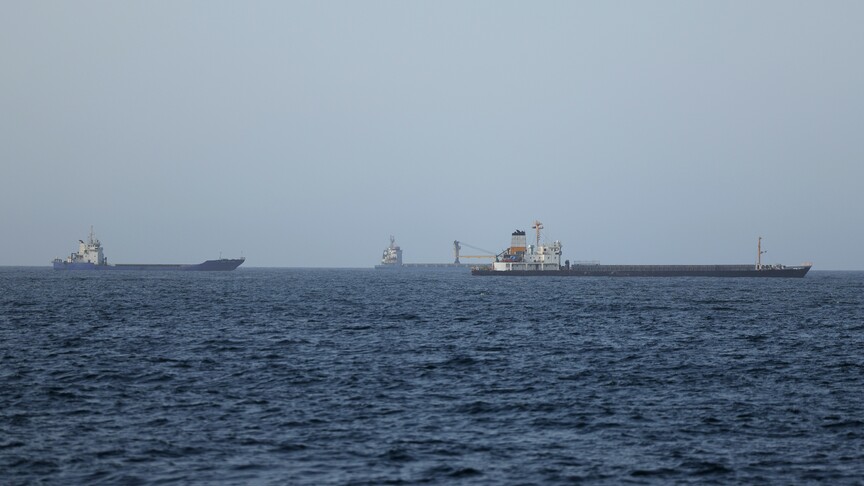
During the discussions, both officials explored the concept of a “temporary joint navigational corridor” through the Hormuz Strait. This strategic waterway is essential not only for regional trade but also for global energy supplies. The initiative aims to ensure safe passage through these waters, which are heavily trafficked by oil and gas shipments. Additionally, the proposal includes measures to collaboratively clear the waterway of mines, which pose significant risks to navigation and maritime security.
Commitment to Sovereignty and Security
At the core of the dialogue was Sheikh Mohammed’s emphasis on respecting the sovereignty of neighboring states and ensuring freedom of navigation. His comments highlight the importance of maintaining open lines of communication and cooperation among Gulf nations, particularly in a region prone to geopolitical uncertainties. This commitment to mutual respect underscores the significance of cooperation in achieving lasting peace and stability.
Qatar’s Role in Regional Diplomacy
Iran’s Foreign Minister Araghchi acknowledged Qatar’s ongoing diplomatic initiatives aimed at reducing tensions within the region. He expressed gratitude for Qatar’s efforts to facilitate discussions that prioritize dialogue over conflict. This acknowledgment positions Qatar as a vital mediator in the complex geopolitical landscape of the Middle East, emphasizing its role in fostering stability.
As the Strait of Hormuz remains a pivotal chokepoint for global oil and gas transportation, the outcomes of these discussions could influence both regional and international energy markets. Enhancing navigational safety through collaborative efforts could mitigate threats and ensure secure maritime routes, ultimately benefiting economies worldwide.
In summary, the evolving discussions between Qatar and Iran around a temporary navigational corridor reflect an important step towards diplomatic engagement. As both nations prioritize dialogue and regional cooperation, there is hope for a more peaceful coexistence in a historically turbulent area. The potential establishment of safe navigation routes could serve as a catalyst for broader discussions aimed at resolving long-standing tensions in the region.