
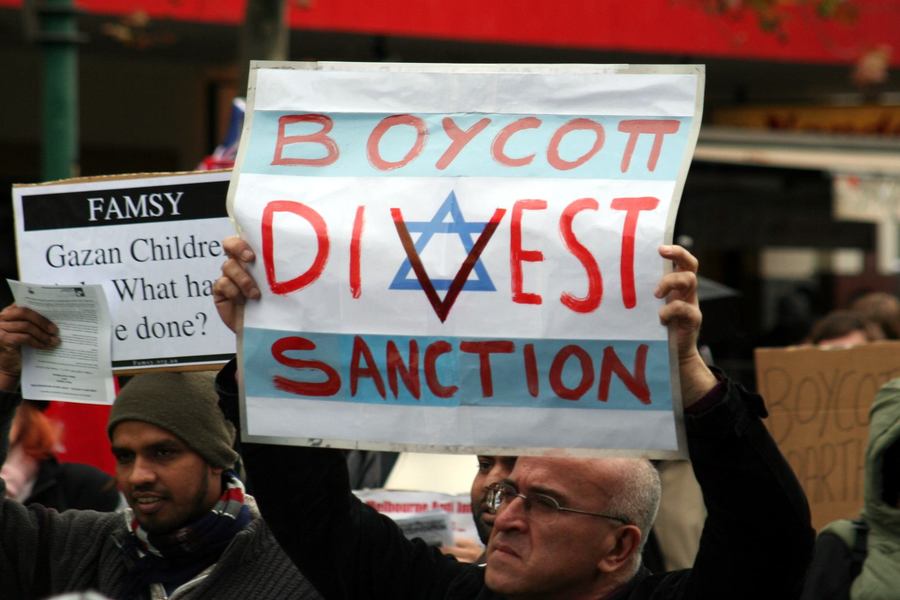
Recently, Qatar has urged additional nations to implement bans on trade with Israeli settlements following the decisions of the Netherlands and Belgium to prohibit such practices. These recent legislative actions are viewed by Qatar as pivotal steps in elevating pressure on Israel regarding its settlement policies.
Qatar’s Response to European Bans
The Qatari Ministry of Foreign Affairs expressed its approval of these bans, characterizing the moves by these two European nations as crucial in combating the ongoing expansion of Israeli settlements in occupied territories. They highlight these settlements as violations of international laws, particularly referencing United Nations Security Council Resolution 2334, which calls for an end to the expansion of settlements. Qatar has called upon the global community to take legal and moral actions to ensure that Israel ceases its settlement endeavors, underscoring the importance of international accountability in protecting the rights of Palestinians.
Details of the New Legislation
The Dutch restrictions are set to commence on September 22 and will include a comprehensive ban on importing, purchasing, and selling products from Israeli settlements. Foreign Minister Tom Berendsen emphasized that the new policy will extend to brokering services tied to settlement trades. This legislative move is particularly significant as it also impacts Dutch companies operating outside of the Netherlands, thereby broadening the scope of enforcement against settlement-related commerce. The initiative received widespread support from the majority in the Tweede Kamer, the Dutch parliament’s lower house.
Belgium, on the other hand, enacted its ban on July 18, complementing broader measures aimed at addressing Israel’s settlement policies. This action reflects a growing trend among European nations to reassess their trade relations with Israel in light of international law and human rights considerations.
Growing Momentum in Europe
With the recent actions taken by the Netherlands and Belgium, countries like Ireland, Spain, and Slovenia are no longer solitary voices against the trade with Israeli settlements. These decisions signal a developing consensus within segments of the European Union advocating for stricter limitations on such trade. However, the proposal for an EU-wide ban faces challenges, particularly from opposing stances in Germany and Italy, which complicates the possibility of unified action across the continent.
In its announcement, Qatar also highlighted its steadfast commitment to a two-state solution. It continues to advocate for the establishment of an independent Palestinian state along the pre-1967 borders, with East Jerusalem designated as its capital. This unwavering stance illustrates Qatar’s broader diplomatic strategy in the Middle East, positioning itself as a prominent advocate for Palestinian rights while calling upon the international community for support.
As European countries increasingly consider trade bans, the future of Israeli settlements becomes a critical issue for international relations and Middle Eastern diplomacy. Qatar’s call for collective action against such settlements underscores the ongoing strife and the urgent need for lasting solutions to the complex Israeli-Palestinian conflict.