
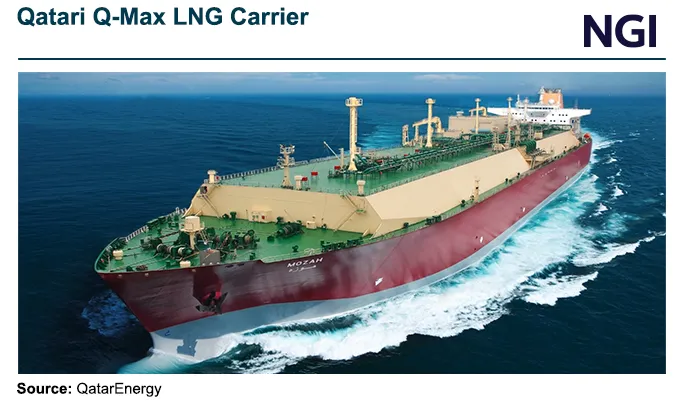
The global liquefied natural gas (LNG) market continues to navigate through significant developments. Recent events have influenced shipping routes and supply chains, particularly regarding Qatar, a major player in the LNG industry. Here are three key points to consider this week concerning LNG operations worldwide.
Impact of Recent Shipments
Over the past week, Qatar has successfully shipped two LNG cargoes through the crucial Strait of Hormuz. This marks a significant return to activity for QatarEnergy, especially since these deliveries were the first after operations came to a standstill following the onset of the Iran conflict in February. At that time, QatarEnergy had to suspend liquefaction activities and halt shipments due to heightened tensions and closures enforced by Iran within the waterway.
The situation in the region has severely affected supply, as Iran’s actions have also damaged two of Qatar’s liquefaction trains. This has raised concerns about the long-term stability of LNG supply routes from Qatar, a country that plays a vital role in the global energy landscape. The recent shipments could indicate a potential recovery in operations, easing supply concerns that have arisen from previous disruptions.
Challenges Facing Qatar’s LNG Operations
Despite the recent shipments, the situation remains precarious. The damage inflicted on Qatar’s liquefaction facilities poses a significant challenge, with estimates suggesting that repair work could take years. The impact of the conflict is not limited to immediate disruptions; it also raises questions about Qatar’s future export capabilities and its role in the global market.
Moreover, the instability in the region may trigger further geopolitical tensions, which could affect shipping routes and trade relationships. As other countries explore options to supplement their LNG supply chains, Qatar’s ability to recover quickly and secure maritime routes will be critical. Industry analysts will be closely watching how these challenges unfold in the coming weeks and months.
Global Implications of LNG Market Dynamics
Changes in the LNG market can have far-reaching implications. With increasing global demand for cleaner energy sources, any disruptions in the supply chain could influence pricing and availability. As countries pivot away from traditional fossil fuels, the LNG sector finds itself at a crossroads, presenting both opportunities and challenges.
The recent developments in Qatar offer a glimpse into the complexities of the global LNG landscape. Stakeholders must monitor not only the operational status of key suppliers but also geopolitical factors that can shape the market. The interplay between supply, demand, and regional stability will determine the trajectory of LNG pricing and availability in the near future.
In conclusion, as Qatar navigates its operations amidst geopolitical challenges and potential future disruptions, the global LNG market remains on alert. The importance of stability in shipping routes and operational capacity cannot be understated, as they will play a vital role in meeting the evolving energy demands worldwide.