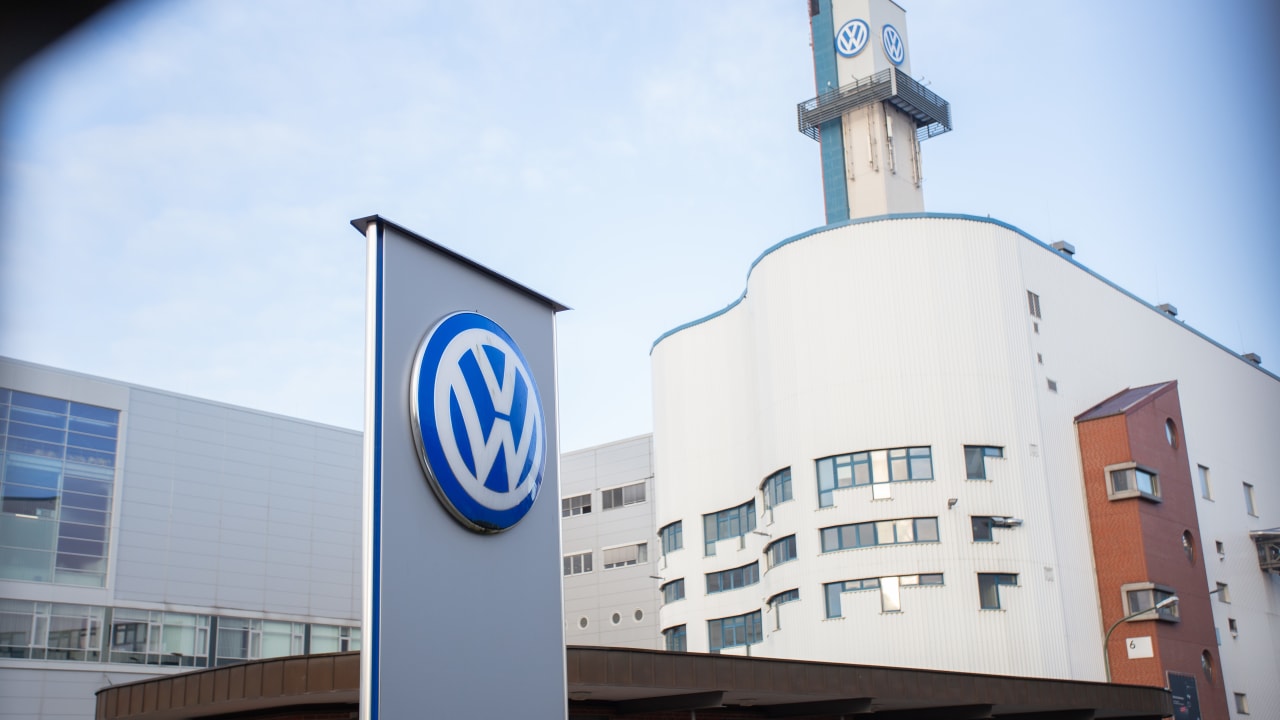
The recent decision by the Qatar Investment Authority (QIA) has sparked significant discussion within the automotive and defense industries. As one of Volkswagen’s major stakeholders, QIA has exercised its influence by blocking a partnership between Volkswagen and Israeli defense firm Rafael to produce Iron Dome components in Germany.
Impact on Volkswagen’s Operations
The QIA, which holds 17% of Volkswagen’s voting rights and 10.4% of the company’s share capital, has raised concerns over the proposed collaboration. This deal was initially seen as a lifeline for the struggling Volkswagen plant in Osnabrück, with prospects of rejuvenation and several job opportunities. Instead, the QIA’s intervention raises questions about the longevity of jobs at the facility, potentially jeopardizing hundreds of positions at the company’s German factories.
The Proposed Collaboration
In late April, Volkswagen and Rafael had reached an understanding where the Israeli defense company would manufacture components for the Iron Dome missile defense system. This arrangement was seen as a strategic move to help revitalize the Osnabrück plant, which has been facing financial difficulties. However, following the recent developments, Qatar’s apprehensions surrounding the partnership have come to light, predominantly due to ongoing tensions between Qatar and Israel.
Influence of Qatari Stakeholders
The QIA’s stance is particularly notable given its governance structure; leading figures, including QIA CEO Mohammed Saif Al Sowaidi and other prominent Qatari officials, serve on Volkswagen’s supervisory board. This positioning enables Qatari stakeholders to significantly shape the company’s strategic directions and partnerships, as demonstrated by their recent decision to veto the Iron Dome collaboration.
Security analyst Peter R. Neumann emphasized the complexities of such foreign investments, suggesting that while Gulf investments are generally welcomed, dependency on any single entity must be avoided. Neumann advocates for a more pragmatic approach to relations, particularly in reference to the Middle East’s volatile dynamics.
Future Production Plans for Rafael
Looking ahead, Rafael is actively seeking to broaden its production capabilities beyond Israel and the United States. Recent reports indicate negotiations with Indian defense companies to establish a local production line for Iron Dome interceptors. This initiative could not only avert production dependencies but also bolster Rafael’s flexibility to cater to increasing global defense demands while adhering to India’s regulations requiring foreign firms to manufacture within the country.
Establishing this production line in India would not only facilitate cost reductions but also expand Rafael’s footprint in a rapidly growing defense market. Such strategic moves underline the company’s commitment to enhancing its international presence while navigating local regulations that foster economic growth within India.
These unfolding events reveal the intricate interplay between global investments, political tensions, and the strategic imperatives driving the defense sector. As the situation evolves, stakeholders will need to balance their operational goals with geopolitical realities to secure sustainable growth.