
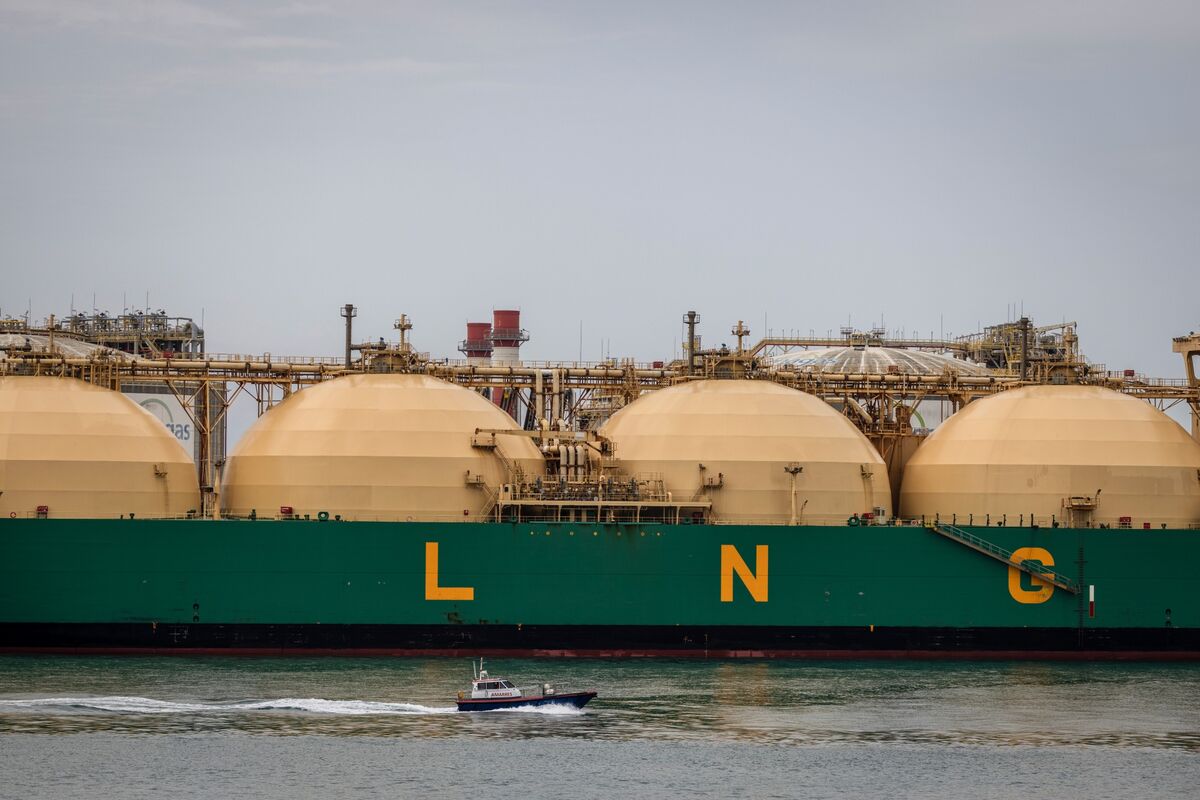
In recent news, three tankers carrying liquefied natural gas (LNG) have reportedly navigated the Strait of Hormuz, amidst challenges posed by its near-total closure. Suppliers in Qatar and the United Arab Emirates (UAE) are making efforts to deliver fuel to crucial buyers, showcasing the resilience and adaptability of the LNG market.
Challenges in the Strait of Hormuz
The Strait of Hormuz is a vital maritime passage that connects the Persian Gulf to the Arabian Sea and is essential for the global energy market. It serves as a critical route for oil and gas exports, with a significant portion of the world’s LNG passing through this narrow strait. Recent geopolitical tensions and regional conflicts have led to heightened security concerns, causing disruptions in trade. Despite these challenges, the successful crossing of LNG tankers indicates that supply chains are finding ways to adapt, albeit under significant scrutiny.
LNG Supply Dynamics
The liquefied natural gas market has witnessed fluctuating demand and supply dynamics, with major exporters like Qatar and the UAE strategically working to maintain their positions as key players. As the global demand for cleaner energy sources increases, the role of LNG becomes even more pivotal. These exporters are faced with the dual challenge of meeting international energy demands while navigating complicated logistical and geopolitical landscapes. The recent sailings serve as a reminder of the ongoing efforts to secure energy supply, despite external pressures.
Impact on Global Energy Markets
As the tankers make their way through the Strait, their journeys represent more than just a logistics win. They also signal ongoing fluctuations in global energy markets, particularly given the increasing shift towards natural gas as a transitional energy source. This situation underscores the importance of reliable supply routes in achieving energy security. Furthermore, successful crossings of LNG carriers could influence pricing trends and availability, impacting regions that rely heavily on these resources for power generation and heating.
Future Outlook for LNG Shipping
Looking ahead, the LNG shipping industry must remain vigilant in mitigating risks associated with maritime transport through the Strait of Hormuz. The ability to navigate this strategically important region safely impacts not only national interests but also global energy supplies. As stakeholders monitor the geopolitical landscape, innovative strategies and technologies may emerge to further bolster the resilience of LNG logistics. The adaptability shown by suppliers during challenging times will likely play a significant role in shaping the future of energy transportation.
In conclusion, the passage of the three tankers through the Strait of Hormuz highlights the ongoing complexities faced by LNG suppliers in the region. Maintaining a steady and reliable flow of natural gas will be essential for meeting global energy demands and ensuring market stability amid uncertainty. The industry will undoubtedly evolve further to meet these challenges head-on.