
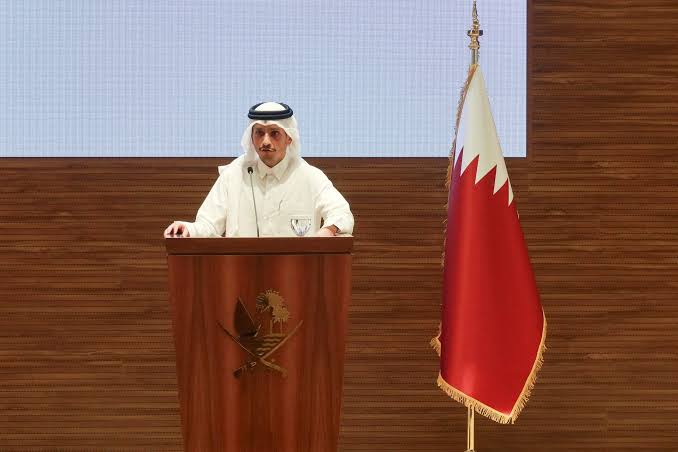
Qatar has firmly dismissed allegations from Israeli Prime Minister Benjamin Netanyahu, who, during his speech at the United Nations General Assembly (UNGA), claimed that Doha was spearheading efforts to sway global public opinion against Israel. This exchange has intensified the already complicated relationship between Israel and Qatar, a nation pivotal to diplomatic negotiations in the region.
The Al Ansari Response
Dr. Majed bin Mohammed Al Ansari, an adviser to the Qatari prime minister and spokesperson for the Ministry of Foreign Affairs, made it clear that Qatar unequivocally rejects Netanyahu’s assertions. In a statement shared on social media, Al Ansari highlighted that the ongoing negative remarks about Qatar seem to serve as a distraction from the humanitarian implications of Israeli policies in the occupied Palestinian territories. He underscored that the evolving sentiments toward Israel, especially among the youth, should not be oversimplified as a result of strategic influence, as individuals are forming their opinions based on what they witness.
Accusations on the Global Stage
Netanyahu’s address not only included criticisms of Qatar but also targeted Türkiye, accusing both nations of investing substantial resources to shape international views against Israel, particularly among younger demographics. He linked this alleged effort to the waning reputation of Israel globally. However, Qatar’s stance is rooted in the belief that such shifts in perception cannot be solely attributed to external campaigns but rather reflect the realities observed by communities worldwide. Al Ansari urged Israeli officials to reconsider their own policies and compliance with international law instead of attributing responsibility for these changes to Qatar or other nations.
Diplomatic Roles amidst Tensions
This contentious back-and-forth occurs against a backdrop of worsening bilateral relations between Doha and the Israeli government. Qatar, however, plays a crucial role in facilitating dialogue concerning Palestinian issues and broader regional stability in West Asia. This duality presents a complex situation, as Qatar strives to maintain its mediating influence while facing increasing public criticism from Israeli representatives. The Israeli prime minister’s harsh rhetoric at the UNGA, which saw several delegates walk out in protest, underscores the growing friction.
A Fragile Diplomatic Balance
Not only is the current dispute largely rhetorical, but it also holds significant diplomatic implications. Israel continues to function within a geopolitical landscape that can still benefit from Qatari mediation, even amid escalating confrontations. The tension necessitates careful navigation from both sides, especially since Qatar is one of the few countries capable of bridging communication gaps with entities that typically do not engage directly with Israel. As the confrontation plays out in public view, it challenges Qatar’s ability to balance its diplomatic endeavors and its relations with both local and international stakeholders.
In summary, the issue transcends mere accusations of influencing public sentiment. It touches on the broader implications for diplomacy in a region fraught with conflict. As Qatar seeks to uphold its position as a mediator, the criticisms from Israel complicate this role, suggesting that the road ahead will require skillful diplomacy to foster dialogue and achieve stability.