
Qatar has emerged as a crucial mediator in the ongoing negotiations between the United States and Iran, according to a recent announcement from the Qatari Ministry of Foreign Affairs. With tensions escalating in the region for over seven months, Qatar is not alone in its diplomatic endeavors, as Pakistan also plays a significant role in facilitating discussions aimed at halting the conflict.
Ongoing Diplomatic Efforts
During a press conference, Ibrahim bin Sultan al Hashmi, the head of the Media Department of the Qatari Ministry of Foreign Affairs, confirmed that dialogue between Washington and Tehran is actively progressing. He stated that both countries are exchanging messages to achieve diplomatic resolutions. Al Hashmi emphasized that Qatar’s mediation efforts are persistent and encompass all matters of concern for both sides. This approach underscores Doha’s commitment to fostering dialogue in a time of heightened geopolitical tensions.
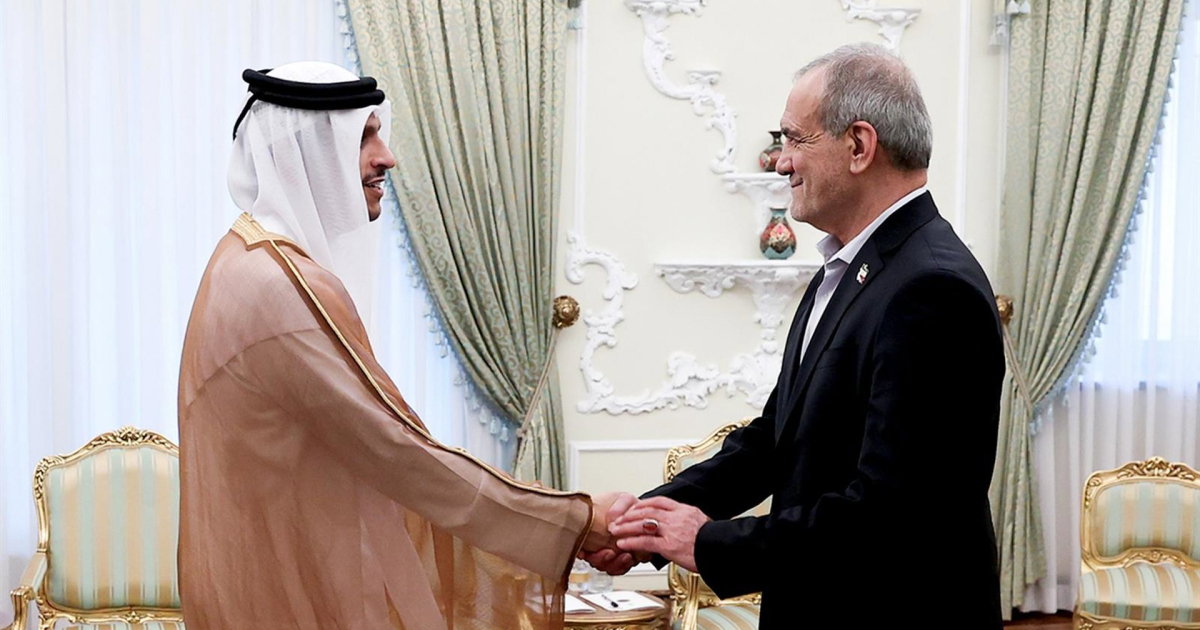
In a related development, Emir Tamim bin Hamad al Thani of Qatar met with Iranian Interior Minister Eskandar Momeni to discuss regional affairs and the need to mitigate tension. The meeting further illustrates the collaborative efforts between Qatar and Iran towards fostering stability in the region. Momeni expressed his appreciation for Qatar’s neutral role alongside Pakistan in facilitating these discussions, indicating a mutual recognition of the necessity for a united front to promote peace.
International Recognition of Mediation Efforts
United Nations Secretary-General António Guterres has notably acknowledged the significant contributions of Pakistan in this diplomatic landscape. While addressing media representatives in Islamabad, he praised the country’s leadership in creating conducive conditions for meaningful dialogue between the United States and Iran. Guterres highlighted that Pakistan’s involvement has been instrumental in achieving key milestones, including the Islamabad Memorandum of Understanding and the subsequent ceasefire. His remarks serve as a reminder of the essential role that third-party nations can play in complex international negotiations.
Guterres issued an urgent appeal to all parties involved, urging them to return to diplomacy to end the ongoing hostilities that began when the United States and Israel launched military actions against Iran. He pressed for an immediate cessation of conflicts and a restoration of maritime rights, referencing both Iran’s restrictions on the Strait of Hormuz and the United States’ naval blockade. His appeals reflect a broader call for global cooperation to ensure safety and stability in critical waterways.
Pakistan’s Commitment to Peaceful Resolutions
Ishaq Dar, Pakistan’s Deputy Prime Minister and Foreign Minister, has also underscored the importance of the UN Secretary-General’s involvement, particularly in a world rife with multiple conflicts. His gratitude for Guterres’ recognition reflects a commitment to the principles of dialogue and cooperation. Dar affirmed that Pakistan’s approach aligns with its larger strategy of promoting peaceful resolutions over aggressive confrontations, reinforcing its position as a mediator committed to diplomatic solutions.
Pakistan’s diplomatic engagements illustrate the nation’s proactive role in international relations, particularly in stabilizing volatile regions. As discussions between the United States and Iran continue through Qatar’s mediation, the international community closely watches these developments, hopeful that sustained dialogue will pave the way for lasting peace.