
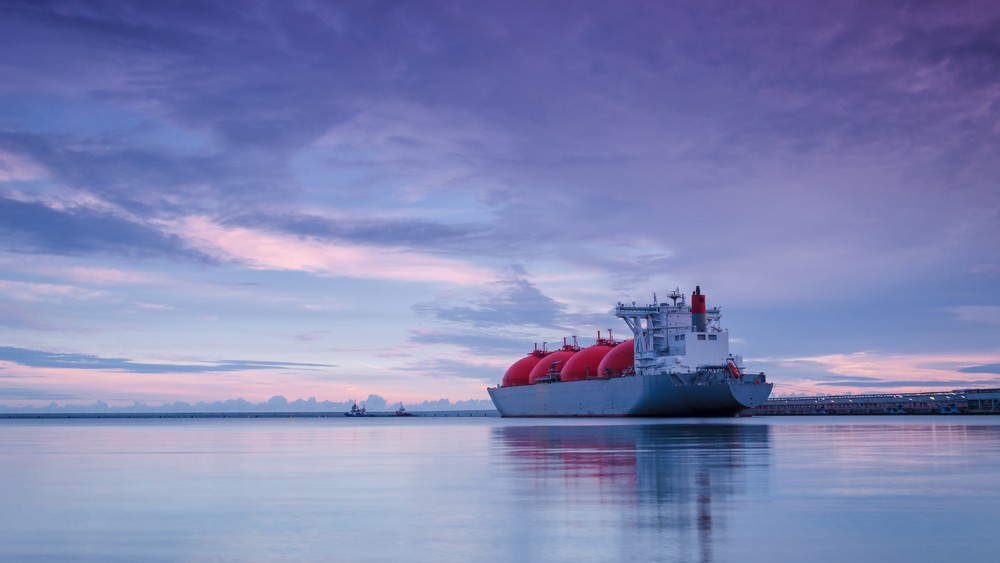
Qatar is taking decisive steps to reinstate its liquefied natural gas (LNG) operations in light of the anticipated reopening of the critical Strait of Hormuz. This strategic move is aimed at restoring production and export capabilities, which have been substantially impacted due to the ongoing conflict in the region.
Return of Qatar’s LNG Tankers
In recent days, at least four LNG tankers owned by Qatar have been spotted heading toward Ras Laffan, the country’s primary LNG facility located in the Persian Gulf. A fifth tanker is currently making its way to the area, as tracked by Bloomberg. Additionally, an extra four carriers remain stationary in the Gulf of Oman and are poised to navigate through the Strait of Hormuz as conditions improve.
Since the outbreak of hostilities on February 28, Qatari LNG tankers have refrained from entering the Persian Gulf. However, following a deal between the United States and Iran and the expected reopening of the Strait of Hormuz, Qatar is keen to reactivate its LNG supply lines that have suffered due to the conflict. This swift action aims not only to reset export capabilities but also to recover revenue losses incurred during the hostilities.
Plans for Rapid Restart of LNG Production
Qatar is gearing up for a quick recovery of its LNG output, eyeing a timeline of mere weeks to resume production following the safe reopening of the Strait of Hormuz. Reports from Bloomberg cite anonymous insiders as stating that QatarEnergy, which had to reduce its LNG output earlier this year before sustaining damage from Iranian missile strikes, has informed clients about its restoration plans. The company anticipates achieving approximately 50% of its production capacity within a month and up to 80% within two months, contingent on stable navigation through the Strait.
All plans hinge on the ongoing U.S.-Iran deal remaining intact, ensuring that safety and navigation through this vital oil corridor is consistently upheld. This would allow Qatar to regain its significant contribution to the global LNG market.
Long-Term Challenges Ahead
Despite these optimistic projections, the complete recovery of Qatar’s LNG production capabilities will not come without challenges. While the country expects to restore up to 80% of its production capacity relatively quickly, the remaining 20% might take years to repair due to damage sustained from prior missile strikes. The long-term implications of these attacks could have serious ramifications for QatarEnergy’s operations and revenue potential.
In summary, the imminent reopening of the Strait of Hormuz represents a crucial turning point for Qatar’s LNG production and export plans. The nation’s swift response to return its LNG tankers and ramp up operations underscores its commitment to re-establishing its standing in the global energy market while navigating the challenges posed by ongoing geopolitical tensions. As the situation develops, the outlook for Qatar’s LNG exports remains contingent on international relations and regional stability.