
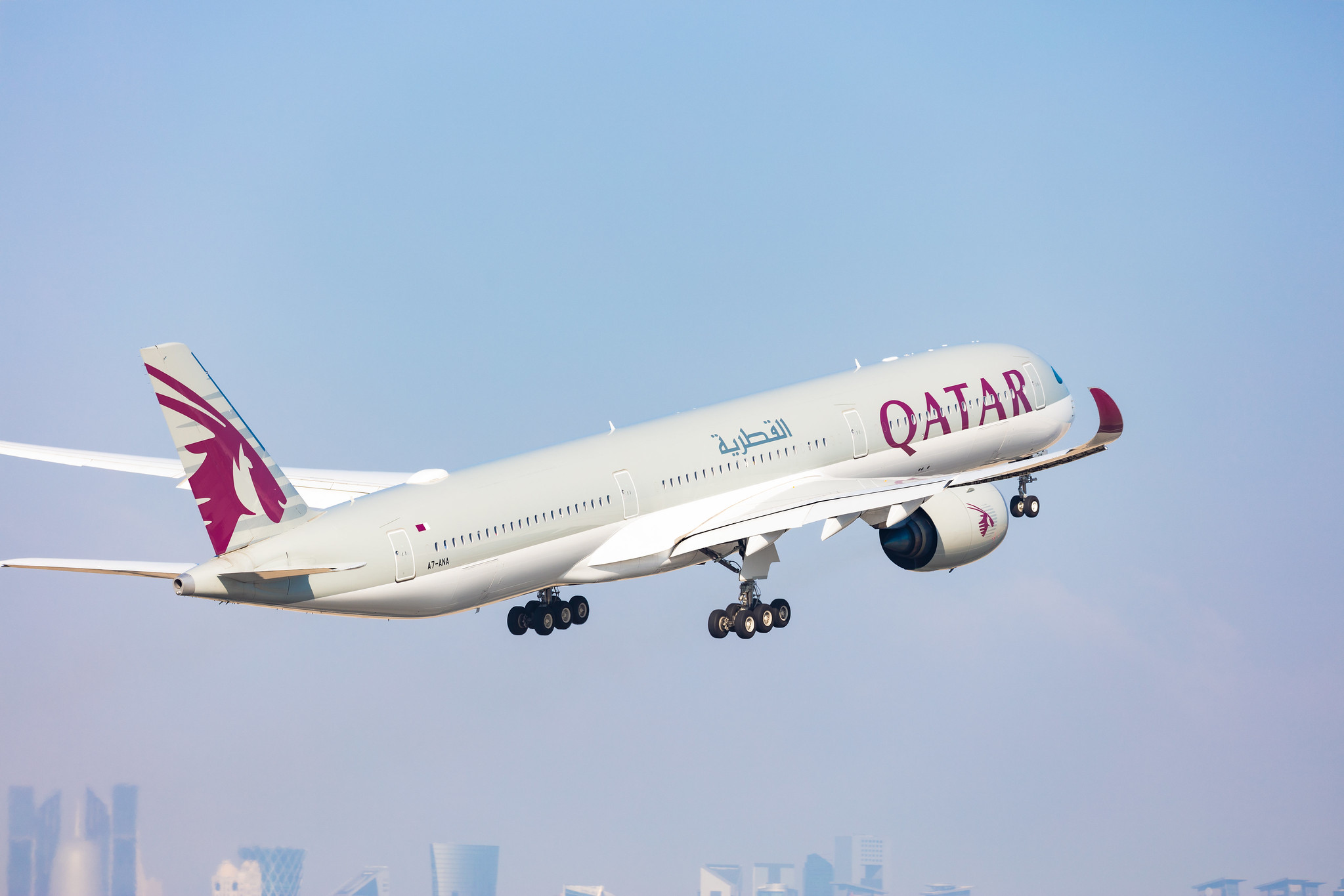
The recent airspace restrictions imposed by Qatar have raised concerns in the aviation sector, particularly affecting flights from Doha Hamad International Airport and those passing through its airspace originating from Saudi Arabia. Understanding the implications of these restrictions is essential for travelers and airline operators.
Qatar’s Airspace Restrictions: A Summary
On June 7, the Qatar Civil Aviation Authority issued two Notices to Airmen (NOTAMs), which serve as vital communications regarding potential hazards for pilots. The first NOTAM indicated that portions of Qatari airspace were closed, while the second provided alternative routing options for aircraft.
While official sources have not explained the reasoning behind these restrictions, they coincided with heightened tensions in the region. This comes in the wake of Iran’s threats to retaliate against Israel for military actions taken in Beirut, indicating that the geopolitical landscape is severely impacting aviation safety.
Context of the Restrictions
The timing of the NOTAMs corresponds closely with a recent missile strike on Terminal 1 at Kuwait International Airport, which tragically resulted in at least one fatality. Iranian officials claimed the attack was not deliberately aimed at the airport but rather the result of a malfunction in a Patriot air defense system. This situation underscores the volatile environment surrounding Gulf air travel and the need for vigilant safety measures.
These NOTAMs remain in effect until June 14, suggesting that Qatari authorities are bracing for possible escalation in conflict. Importantly, Qatar hosts the U.S. Al Udeid air base, which has been reportedly affected by recent Iranian missile strikes, further complicating the region’s security dynamics.
Impact on Airlines and Travelers
Despite the ongoing restrictions, flights to and from Doha Hamad International Airport are still operational. However, Qatar Airways has refrained from commenting on the airspace closures, leaving passengers to speculate on the potential for delays or cancellations.
Historically, Qatar Airways has adopted a cautious approach during periods of heightened alert. When its airspace was previously closed on February 28, operations were suspended for several weeks, and even upon resuming, only a limited number of flights were reinstated. This may indicate that travelers could experience disruptions in the days ahead as the situation unfolds.
While Qatar Airways has faced criticism for its handling of such disruptions, comparisons with Emirates—an airline that has swiftly resumed operations despite ongoing conflicts—highlight the variations in crisis management tactics within the aviation sector.
In summary, the airspace restrictions in Qatar reflect a broader geopolitical landscape that is increasingly impacting aviation safety and operations. As tensions continue to rise, both airlines and travelers must remain informed and prepared for potential disruptions in flight schedules.