
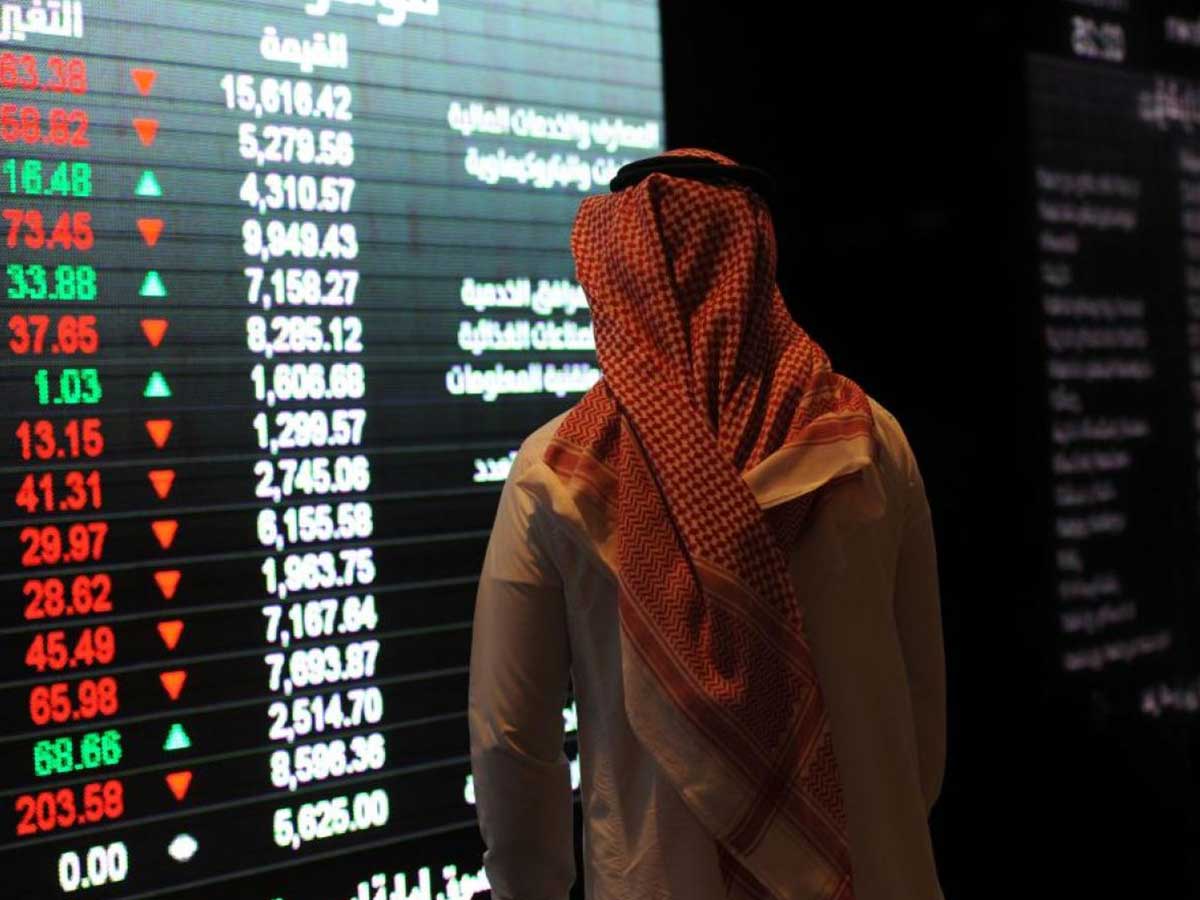
The Saudi stock market experienced a downturn recently, reflecting various economic factors at play. Understanding the dynamics of the market is crucial for investors and stakeholders. Below, we delve into the details of the recent fluctuations and their implications for future trading.
Market Performance Overview
On October 11, the primary index of the Saudi stock market witnessed a decline, dropping by 15.54 points to settle at 10,360.74 points. This downturn occurred amid a trading volume that reached SAR 2.6 billion, signifying active engagement from investors. A closer examination reveals that 107 companies saw their stock prices increase, while 151 companies registered declines, showcasing the mixed performance across different sectors.
The fluctuating nature of stock prices is often emblematic of broader economic conditions. Factors such as geopolitical tension, oil price fluctuations, and domestic economic policies can contribute to market volatility. Investors must stay informed about these elements to navigate their portfolios effectively.
Parallel Market Trends
Contrasting the primary index, the parallel Saudi stock market index, known as Nomu, displayed positive momentum. It climbed by 88.92 points to hit 21,701.36 points. Trading activity in this segment reached SAR 14 million, with over 3.6 million shares exchanged. The growth of the Nomu index indicates that smaller and development-stage companies may be gaining traction, reflecting investor confidence in emerging sectors.
This divergence between the main and parallel indices highlights important trends within the market. While large-cap stocks might be facing pressure, smaller and mid-cap firms can offer growth opportunities for savvy investors. Understanding these trends is vital for anyone looking to capitalize on the ongoing shifts within the Saudi stock market.
Implications for Investors
For investors, this recent performance underscores the need for a strategic approach. Diversifying portfolios with a mix of well-established stocks and emerging market opportunities could pave the way for balancing risk and reward. Furthermore, keeping tabs on foreign investment flows and consumer sentiment will help in making informed decisions.
In such a fluctuating market environment, engaging with financial experts and analyzing sector-specific trends can provide valuable insights. Investors are urged to assess their risk tolerance while also considering the potential for growth in underperforming areas. By leveraging detailed market analysis, investors can enhance their resilience to volatility and optimize their investment strategies moving forward.
In summary, while the Saudi stock market faced challenges recently, the growth of the Nomu index offers a glimmer of hope for strategic investors. By keeping a keen eye on ongoing trends and shifting economic conditions, stakeholders can better navigate the complexities of this dynamic financial landscape.