
Qatar Engages in IMO Discussions on Maritime Safety and Alternative Fuels
Qatar has recently participated in vital discussions aimed at enhancing maritime safety and embracing alternative fuels. This involvement underscores the country’s commitment to international collaboration in improving maritime operations and addressing the challenges posed by new technologies.
Key Outcomes from the IMO Meeting
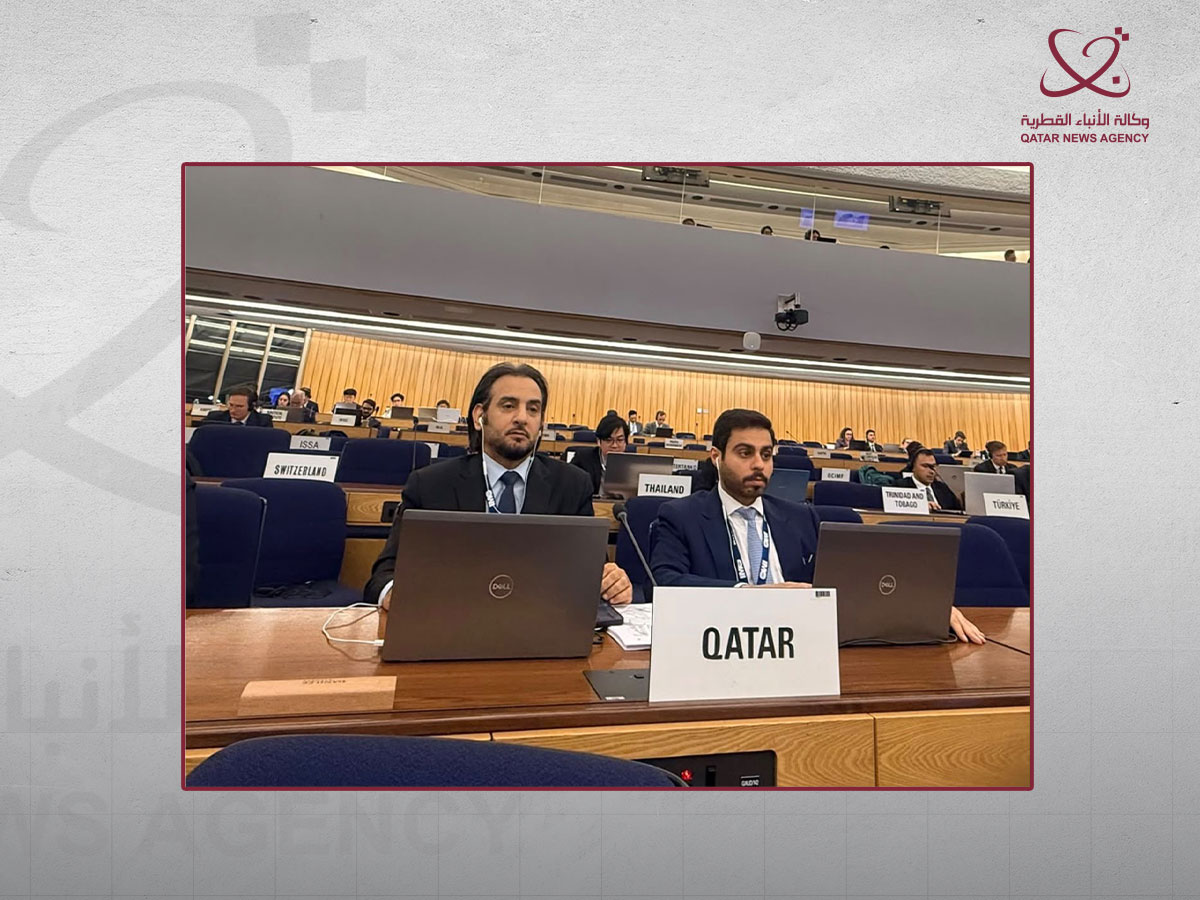
During the International Maritime Organization’s (IMO) 12th Sub-Committee on Carriage of Cargoes and Containers (CCC 12), which convened in London from September 14 to 18, Qatar’s permanent delegation contributed to a range of critical discussions. A major focus of these talks centered around the requirements for vessels utilizing alternative fuels and innovative technologies. Emphasizing safety and efficiency, the meeting examined the implications of these developments on maritime transport’s regulatory landscape.
Among the topics discussed were the use of methanol and ethanol as viable marine fuels and considerations surrounding low-flashpoint oil fuels. As the maritime industry pivots towards greener fuel sources, understanding the safety protocols and regulatory frameworks governing these alternatives is paramount. Furthermore, the committee addressed the importance of carbon capture and storage systems—essential for reducing the environmental impact of shipping operations. These conversations align with global efforts to mitigate climate change by promoting sustainable practices within the maritime sector.
Strengthening Global Maritime Regulations
Qatar’s active participation in these discussions signifies a proactive approach to engage in regulatory advancements prompted by technological innovations. The maritime industry continuously transforms as new propulsion systems and fuel types emerge, leading to an urgent need for updated guidelines to ensure the safety of ships and crew. Initiatives like this mirror Qatar’s broader commitment to enhance the safety and efficiency of global maritime transport networks.
By contributing to the dialogue on securing cargo and containers on ships, Qatar aims to reinforce measures that protect the integrity of maritime operations. Effective cargo securing is crucial not only for the safety of vessels but also for safeguarding the environment, as improperly secured cargo can lead to accidents or spills. Qatar’s involvement demonstrates its resolve to adopt and promote best practices within these critical areas.
The Role of Alternative Fuels in Maritime Transport
As the shipping industry faces increasing pressure to reduce its carbon footprint, the discussion of alternative fuels takes center stage. Innovations in fuel technology provide not only alternatives to traditional marine fuels but also solutions to decreasing emissions throughout the operational lifecycle of vessels. The inclusion of alternative fuels like methanol and ethanol helps to enhance energy efficiency and sustainability within marine transport—a key goal echoed by international maritime authorities.
Qatar’s engagement in the IMO’s talks reaffirms its role as a forward-thinking nation committed to shaping an environmentally sustainable maritime future. By supporting robust regulations and initiatives that focus on alternative fuels, Qatar aligns itself with global efforts to foster a greener shipping industry, one that can adapt to the challenges of climate change and technological advancements.
In conclusion, Qatar’s participation in the IMO meeting highlights its dedication to fostering maritime safety and embracing sustainable practices. Through collaborative efforts, countries can collectively navigate the complexities of evolving maritime transport, ensuring a safer and greener future for the industry.