
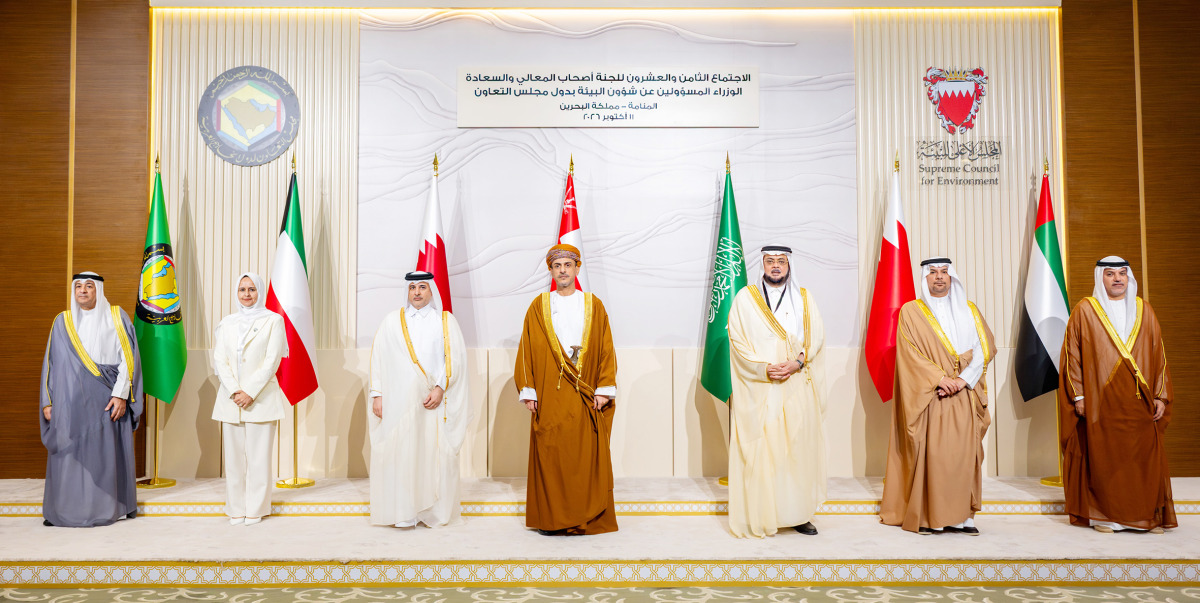
Qatar recently took part in the 28th gathering of the Committee of Ministers Responsible for Environmental Affairs from the Gulf Cooperation Council (GCC) nations. This meeting took place in Bahrain, and it was a vital opportunity for member countries to discuss environmental strategies and collaboration.
Key Participants and Objectives
The Qatari delegation was led by the Minister of Environment and Climate Change, H.E. Dr. Abdullah bin Abdulaziz bin Turki Al Subaie. Aimed at fostering cooperative efforts among GCC nations, the meeting focused on various environmental topics. Participants shared experiences and knowledge that can help each nation better tackle environmental challenges and work towards common sustainability goals.
Agenda Highlights
Numerous important issues were on the agenda for the discussions. Topics ranged from climate change initiatives to sustainable development policies. The meeting also aimed to align member state strategies with global environmental standards. By sharing insights and best practices, the GCC countries are working to enhance their collective capacity to address environmental issues on both regional and international levels.
Strengthening Regional Cooperation
Integral to the success of the environmental discussions was the focus on strengthening collaborative efforts among GCC members. The meeting served as a platform for enabling countries to leverage their individual strengths, share resources, and develop joint initiatives. These collaborative projects are essential for effectively managing environmental resources, improving conservation efforts, and ensuring the sustainability of ecosystems across the region.
Commitment to Sustainability
The overarching goal of the meeting was not just to discuss environmental challenges but to reinforce a shared commitment to sustainability. By emphasizing the importance of joint efforts, Qatar and its GCC partners are taking decisive steps towards creating resilient communities that prioritize ecological integrity. The discussions underline the necessity for a unified approach in combating climate change and enhancing environmental protection.
The outcomes of this meeting signify the commitment of GCC nations to engage in ongoing dialogue and cooperative strategies as they navigate the complexities of environmental management. Such collaborative endeavors are key to achieving long-term sustainability goals that benefit not just individual nations, but the whole region.