
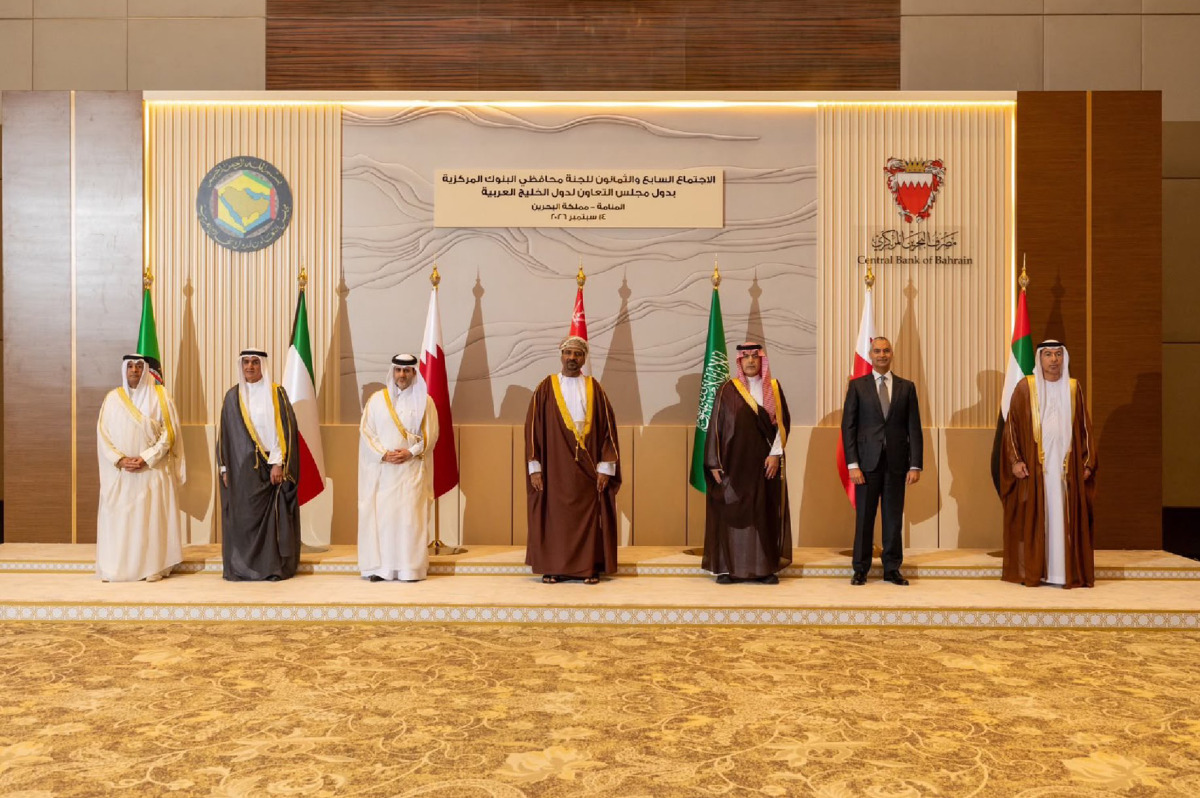
Qatar recently took an active role in a series of important financial discussions within the Gulf Cooperation Council (GCC) held in Manama, Bahrain. These meetings are critical for fostering economic collaboration and ensuring financial stability among the member states of the GCC.
Key Meetings of the GCC Financial Framework
On Monday, Qatar participated in three significant gatherings that focused on central banking and monetary policies. First, there was the 87th meeting of the Committee of Central Bank Governors of the GCC. This assembly provides a platform for central bank leaders to discuss issues relevant to monetary policy, regulatory frameworks, and updated financial strategies across the GCC countries.
Following this, the representatives attended the 23rd board meeting of the Gulf Payments Company. This gathering is pivotal for advancing the electronic payment systems within the region, ensuring secure and efficient transactions. The discussions here likely revolved around enhancing interconnectivity among member states’ financial systems, which is essential for promoting economic integration.
The third meeting was the 66th assembly of the Board of Directors of the Gulf Monetary Council. This council plays a crucial role in the economic cohesion of the GCC nations and deliberates on various monetary policies aimed at fostering a stable financial environment. Given the current global economic landscape, this meeting was integral for developing coordinated strategies to ensure resilience and growth.
Representation and Impact
The State of Qatar was represented by the Governor of the Qatar Central Bank, HE Sheikh Bandar bin Mohammed bin Saoud Al-Thani. His participation underscores Qatar’s commitment to being an active player in regional financial discussions. The insights and decisions made at these meetings are expected to drive various developmental initiatives and economic policies within the GCC framework.
The outcomes of these discussions are anticipated to have lasting implications for the financial systems of the member countries. By aligning regulatory standards and enhancing payment infrastructures, the GCC aims to strengthen financial cooperation, ultimately benefiting trade and investment in the region.
Conclusion
In summary, Qatar’s involvement in these GCC financial meetings reflects its dedication to regional economic stability and collaboration. As the GCC focuses on creating a seamless economic environment, these strategic gatherings are crucial for defining the future of financial cooperation in the Gulf region. The decisions made and the policies formed during these meetings will likely influence economic progress, encouraging growth and stability across member states for years to come.