
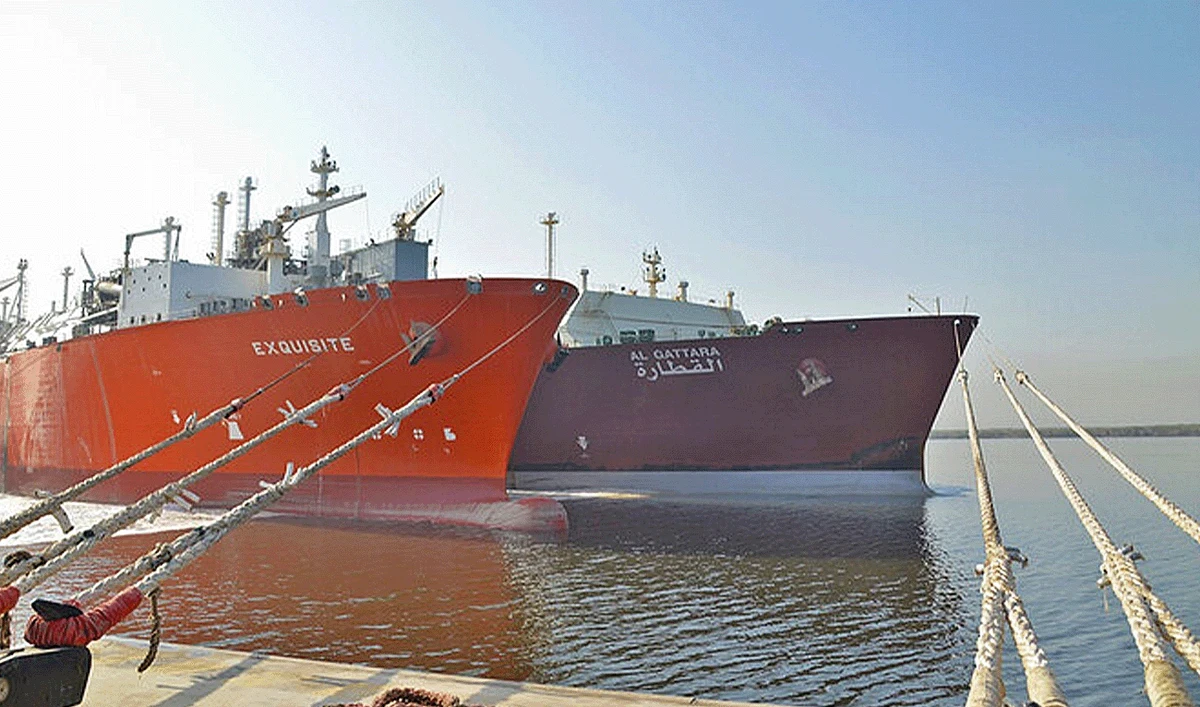
QatarEnergy has recently announced an extension of its force majeure declarations, impacting the delivery of liquefied natural gas (LNG) cargoes to several clients, including major European utility Edison and various Asian partners. This decision arises amid ongoing disruptions in the Strait of Hormuz, exacerbated by geopolitical tensions, particularly the ongoing US-Iran conflict.
Impact on European and Asian Clients
Edison, one of QatarEnergy’s prominent European customers, confirmed on Monday that it will not receive its expected LNG shipments until early December. This marks the latest extension of the force majeure notification, which was initially issued in April due to supply disruptions triggered by the conflict. The situation is similarly concerning for Asian clients, including companies in Bangladesh and Pakistan, who were also informed of the prolonged force majeure conditions lasting until November.
While QatarEnergy has not responded publicly to requests for further details, the ramifications of the extended force majeure are already evident. The conflict has severely impacted Qatar’s natural gas export capacity, with reports suggesting a staggering 96 percent reduction in shipments by the end of August. In fact, data from a leading intelligence firm indicates that Qatar’s LNG cargoes plummeted to just 18 by August’s end, down significantly from 509 during the same period the previous year.
Competitive Landscape as Winter Approaches
As the winter heating season quickly approaches, the urgency for European buyers to replenish gas storage inventories intensifies. With Qatar’s LNG supply severely curtailed, European nations will have to seek alternative sources to ensure their energy security during the colder months. This predicament is expected to heighten competition for the limited available LNG in the global market, which could lead to sustained high prices.
Italy remains optimistic about meeting the European Union’s gas storage targets, but neighboring countries, notably Germany, are in a race to fill their reserves. Edison indicated through an energy platform message that QatarEnergy plans to cancel an additional six LNG cargoes, bringing the total number of undelivered shipments to 35. As a result, the Italian subsidiary of France’s EDF has already sourced replacements for 23 cargoes, primarily from U.S. suppliers, to compensate for shortfalls from Gulf producers.
Long-Term Contracts and Future Implications
Edison maintains a long-term contract with QatarEnergy, stipulating the annual supply of 6.4 billion cubic meters of natural gas. This contract accounts for approximately 10 percent of Italy’s overall gas consumption and has been in place since 2009, with a total duration of 25 years. However, the ongoing difficulties could prompt a reevaluation of energy strategies and partnerships moving forward.
As the geopolitical landscape continues to evolve, the ramifications for QatarEnergy and its clients remain uncertain. The ongoing closure of vital shipping routes and the diminished capacity for LNG exports put a spotlight on the fragile energy market. Stakeholders across Europe and Asia will need to navigate this complex scenario with careful planning and agility to mitigate risks associated with supply shortages while maintaining competitive pricing. The energy sector’s response during this critical period will be essential in shaping future contracts and trading relationships.