
Qatar has affirmed its ongoing diplomatic efforts aimed at resolving the regional conflict, emphasizing its role in facilitating negotiations between the involved parties. A senior Qatari official disclosed that discussions are underpinned by a continuous exchange of messages, although specifics remain confidential.
Continuing Negotiations
Ibrahim bin Sultan Al-Hashmi, the director of the media and communications division at Qatar’s Foreign Ministry, confirmed these developments during a recent media briefing. He highlighted the necessity for swift resolutions, citing the significant global consequences resulting from the conflict. Al-Hashmi expressed that it is crucial for Qatar to leverage its diplomatic influence to achieve an immediate and negotiable solution, urging all parties to come to the table willing to compromise.
In the same briefing, Al-Hashmi noted that the negotiations encompass a consideration of the various concerns held by different factions, although he refrained from providing detailed insights into the discussions or the parties involved. The significance of these talks cannot be understated, given the ongoing tensions that have persisted for more than seven months, particularly between the United States and Iran, with little progress reported.
Engagement with Regional Leaders
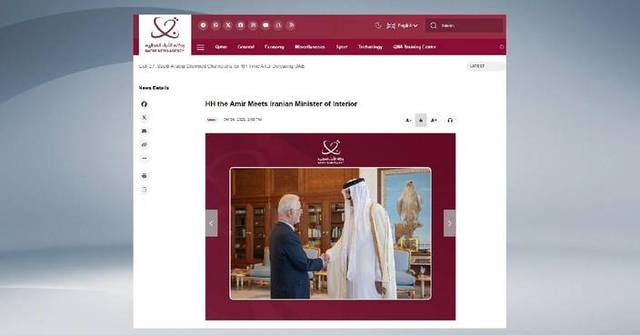
On the same day, Qatar’s Emir, Sheikh Tamim bin Hamad Al Thani, met with Iranian Interior Minister Eskandar Momeni to discuss recent regional developments. Their meeting reflected Qatar’s proactive approach in facilitating dialogue and easing tensions in the area. According to statements released by the Amiri Diwan, this engagement underscores Qatar’s diplomatic positioning and willingness to foster cooperation among neighboring countries.
The complexities of the regional escalation highlight the urgent need for effective diplomacy. Each party’s concerns must be acknowledged and addressed if lasting peace is to be established. In this regard, Qatar’s diplomatic maneuvers come at a crucial time, as the persistent conflict not only impacts those directly involved but also disturbs global stability.
Hezbollah’s Stance
Meanwhile, developments in Lebanon reveal a different facet of the regional dynamics. Hezbollah leader Naim Qassem reiterated the group’s commitment to resistance, linking it directly to the presence of Israeli troops in Lebanon. Qassem stated that the withdrawal of these forces is essential for resolving the ongoing conflict. He emphasized that Hezbollah is prepared to collaborate with the Lebanese government on matters ranging from arms to economic concerns, provided that such cooperation aligns with Lebanon’s constitution and laws.
In June, Lebanon, Israel, and the United States finalized negotiations that led to a framework agreement aimed at withdrawing Israeli forces from specific areas in southern Lebanon. However, the absence of effective implementation has resulted in continued military actions by Israel within Lebanese territory, thereby complicating the security landscape.
The ongoing conflicts and negotiations underline the challenges faced in achieving peace in the region. As Qatar continues to facilitate dialogue, the need for cooperation and understanding among all parties involved remains paramount. The role of external powers, including the United States, adds layers of complexity that must be navigated carefully if a sustainable resolution is to be attained. Through its diplomatic efforts, Qatar aims to be a catalyst for change in a region fraught with turmoil.