
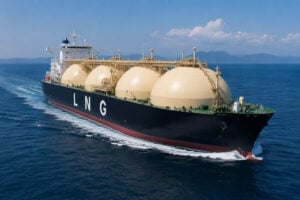
In a surprising turn of events, Qatar, known for its vast natural gas reserves, is set to purchase liquefied natural gas (LNG) from the United States. This unexpected development highlights the dynamism of the global LNG market and its implications for both the U.S. and international energy landscapes.
The Qatar-U.S. LNG Deal
Recently, Cheniere Energy secured long-term agreements to supply QatarEnergy with 4 million tonnes per annum (mtpa) of LNG through 2054. Notably, half of this volume will be sourced from Cheniere’s Sabine Pass terminal in Louisiana. For years, this facility has been a key player in the LNG sector, especially for gas sourced from the Marcellus and Utica regions, which encompass parts of Pennsylvania, Ohio, and West Virginia. This intriguing arrangement will mean that energy extracted from these states might eventually be owned by a nation in the Middle East, underscoring the interconnected nature of the global energy market.
Impacts on Domestic Natural Gas Production
The increased demand for LNG exports not only bolsters the U.S. economy but also enhances the understanding of domestic natural gas production. Extracting natural gas from the Marcellus and Utica regions remains significant because of these agreements. As American LNG finds its way into international markets, particularly in countries that once relied heavily on Qatar as a supplier, the energy landscape will likely shift. This development could lead to more investments in infrastructure and production capabilities, paving the way for broader energy independence for the U.S.
The Global LNG Market Dynamics
Qatar’s pivot to American LNG signifies larger trends within the global energy sector. As countries strive for energy diversification amidst fluctuating geopolitical tensions, the demand for reliable and diverse suppliers is on the rise. The long-term contracts with QatarEnergy illustrate a commitment not just to immediate energy needs but also to future energy sustainability. As such, countries are strategic in sourcing gas from various locations, which highlights the importance of stability in energy supply chains.
The Future of U.S.-Qatar Relations in Energy
The strategic partnership between U.S. energy companies and Qatar could redefine how nations engage in natural gas trade. With climate goals and energy transition initiatives influencing many countries, the importance of LNG as a transitional fuel is increasingly recognized. As Qatar opens its market to American suppliers, it also presents opportunities for collaboration in technology transfer and energy efficiency improvements. Together, they can address challenges associated with carbon emissions while ensuring energy supplies are both reliable and sustainable.
In conclusion, the recent agreements between Cheniere Energy and QatarEnergy highlight a transformative moment in the LNG market, demonstrating the U.S. ability to influence global energy dynamics. As the relationship strengthens, the implications will extend beyond simple trade agreements, affecting domestic production, global market stability, and international energy relations for years to come. The evolving nature of these partnerships underscores the growing significance of LNG as both a commodity and a key player in energy diplomacy.