
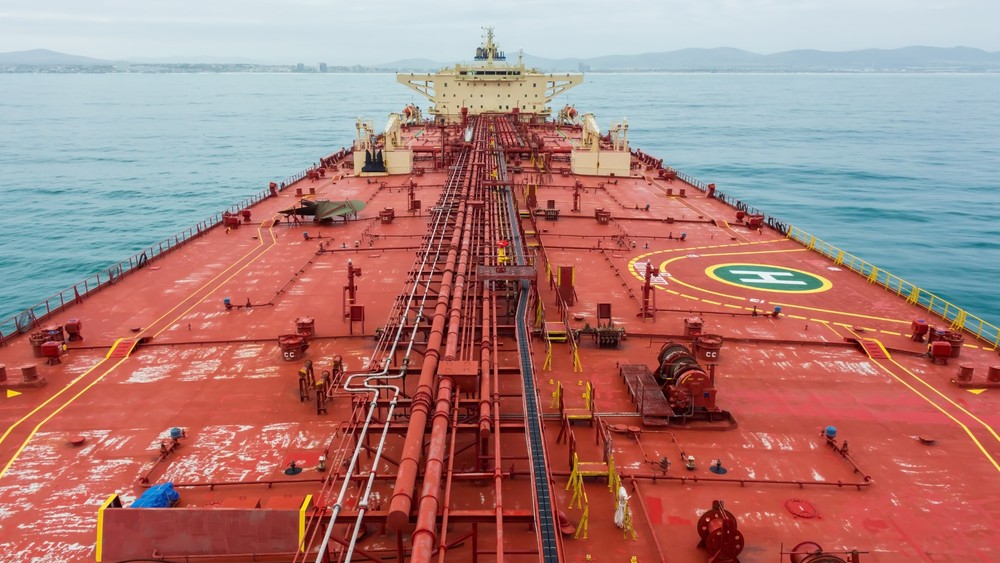
In a noteworthy development signaling a revitalization of oil exports from the Persian Gulf, Qatar has secured a deal with a Taiwanese refining company for a shipment of Al-Shaheen crude. This agreement, as reported by Bloomberg through undisclosed trading sources, follows Qatar’s recent transaction with an Indian refiner, further underscoring the resurgence of energy flows in the region.
Recent Oil Transactions in the Persian Gulf
The sale of Al-Shaheen crude is a significant indication of increasing oil activity. In addition to this transaction, QatarEnergy is set to offer a gasoline cargo for shipment in July, suggesting a broader improvement in energy shipments from the Persian Gulf. Ship-tracking reports have noted a supertanker loading crude at the Al-Shaheen floating storage terminal, which reflects heightened operational activity in this critical area of the oil market.
Impact on Shipping Rates
Despite the positive signs for energy suppliers, the freight cost situation presents a more complex picture. As oil flow volumes rise, tanker rates have surged dramatically, nearly doubling within a week. Current reports indicate that the hiring cost for tankers in the Gulf has leaped from approximately $106,000 daily to over $190,000. Particularly for very large crude carriers navigating the Strait of Hormuz, earnings have skyrocketed, reaching nearly $470,000 a day—a rate that would have seemed unfathomable before the onset of recent conflicts in the region.
The competition to secure tanker availability has intensified, leading to escalating rates across various routes. For example, one tanker has been provisionally booked to transport crude from the Persian Gulf to India at a staggering rate that is nine times higher than the standard benchmark for similar routes.
Market Implications and Oil Prices
While the increase in tanker rates favors shipping companies, the broader market has been facing a decline in oil futures prices. Recent trading numbers show Brent crude dipping below $75 per barrel, currently oscillating around $72.58, while West Texas Intermediate has seen prices fall to about $69.46 per barrel. This decline in futures pricing may be a result of the dynamic forces at play as the industry adjusts to both rising tanker costs and fluctuating oil supply levels.
In conclusion, the latest developments in Qatar’s oil exports and the consequent impact on shipping rates are reflective of a larger trend within the Persian Gulf. Despite facing heightened shipping costs, the overall increase in oil transactions and refined products indicates a recovering energy landscape in the region, crucial for both global markets and local economies. As these changes unfold, stakeholders must remain vigilant to adapt to the continuously shifting dynamics within the oil industry.