
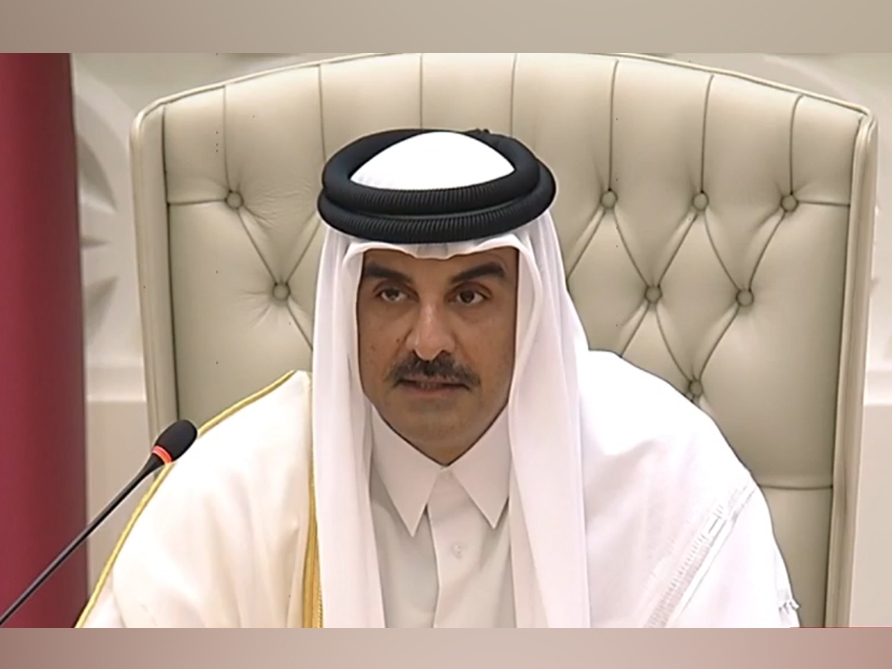
Doha, Qatar, is currently witnessing significant political developments as HH Sheikh Tamim bin Hamad Al-Thani, the Amir, inaugurated the second session of the Shura Council’s legislative term. This marks the 55th annual session of the Council, where the Amir delved into both historical reflections and pressing contemporary issues.
Reflections on Legacy and Resilience
Opening the session, the Amir paid homage to the late Father Amir, HH Sheikh Hamad bin Khalifa Al-Thani. He emphasized the profound impact of his leadership on Qatar’s growth and its role on the international stage. The Amir reflected on how the nation and the region have confronted formidable challenges, underscoring the steadfastness of Qatar’s institutions during these times of crisis. He highlighted the critical situation following the recent disruptions in the Strait of Hormuz and Ras Laffan, emphasizing that these events have threatened a significant portion of the nation’s exports.
Strategic Pillars for Stability
In his address, the Amir outlined a robust strategy shaped around four pillars aimed at navigating Qatar through turbulent waters. The first pillar focuses on steadfastly defending the nation while avoiding unnecessary escalation into conflict. He made it clear that Qatar remains committed to dialogue and peaceful resolutions, asserting that this dedication does not imply any weakness when it comes to protecting the nation’s interests.
The second pillar emphasizes the importance of maintaining essential services, supply chains, and the overall economic life cycle. The Amir also highlighted Qatar’s ongoing efforts to facilitate ceasefire initiatives and ensure the safe passage of waterways, a crucial component for both regional stability and international trade. The final pillar is devoted to fostering negotiations aimed at achieving peaceful resolutions in ongoing conflicts.
Economic Growth Amidst Challenges
Despite the challenges, Qatar has shown remarkable resilience. The economy recorded a growth rate of 2.2% in GDP, accompanied by a stable inflation rate of approximately 2%. The country continues to enjoy a surplus in its current account while safeguarding its foreign currency liquidity and investing abroad. The Amir pointed out that any disruption to Qatar’s vast liquefied natural gas production, which constitutes nearly one-fifth of global trade in the sector, has immediate repercussions on international markets and consumers.
Furthermore, he reaffirmed Qatar’s commitment to protecting its sovereignty, particularly in relation to energy security. With the current geopolitical landscape, the Amir stressed the necessity of doubling efforts to ensure safe navigation in the Gulf and safeguard critical energy facilities and civilian infrastructure.
A Call for Regional Cooperation and Accountability
Emphasizing the indivisibility of security within the Gulf Cooperation Council states, the Amir articulated that protecting sovereignty is non-negotiable. Qatar prefers resolving disputes through diplomatic and peaceful avenues and intends to work in close alliance with both regional partners and the international community to maintain security and stability in the region.
In a strong statement regarding ongoing conflicts, the Amir denounced the ongoing violations in Gaza, calling the situation a form of genocide that cannot be overlooked. He urged for accountability for those responsible for such heinous acts, reinforcing Qatar’s stance on human rights and global justice.
Overall, the Amir’s address encapsulated Qatar’s commitment to resilience, strategic foresight, and the diplomatic pursuit of peace in an evolving world landscape.