
Qatar is gearing up to enhance Lebanon’s struggling energy sector with plans to build two new power plants and establish a long-term liquefied natural gas (LNG) supply agreement. This initiative aims to address the systemic energy issues plaguing Lebanon, which has faced significant challenges in delivering reliable power to its citizens.
Qatar’s Energy Investment Plans for Lebanon
The proposed plan, outlined in the National Integrated Energy Investment Program, includes constructing two combined-cycle power plants in Lebanon. One plant will be located in Deir Ammar, in the north, while the other will be situated in Zahrani, in the south. Each facility will have a capacity of 825 megawatts, which is expected to significantly boost the nation’s electricity generation capabilities.
This comprehensive strategy also integrates the generation of gas-fired electricity, the supply and regasification of LNG, the inclusion of renewable energy sources, battery storage solutions, and the interconnection of regional power grids. The program is designed to attract private and project financing without any immediate financial burden on the Lebanese public budget, although payment obligations and guarantees will be subject to further negotiations.
Long-Term LNG Supply Agreement
In addition to the creation of new power plants, QatarEnergy is also set to forge a 20-year LNG supply agreement with Lebanon. This project will utilize a floating storage and regasification unit, which can handle 3.5 million cubic meters of gas daily. Additionally, the plan includes leveraging the Arab Gas Pipeline passing through Syria, expected to accommodate 4.5 million cubic meters per day.
Moreover, the proposal outlines the development of an additional 800 megawatts generated from solar energy and 440 megawatts from wind power. It also envisions the incorporation of battery storage and the importation of electricity from Syria, starting with a supply of 300 megawatts through two distinct routes.
The Broader Implications for Lebanon
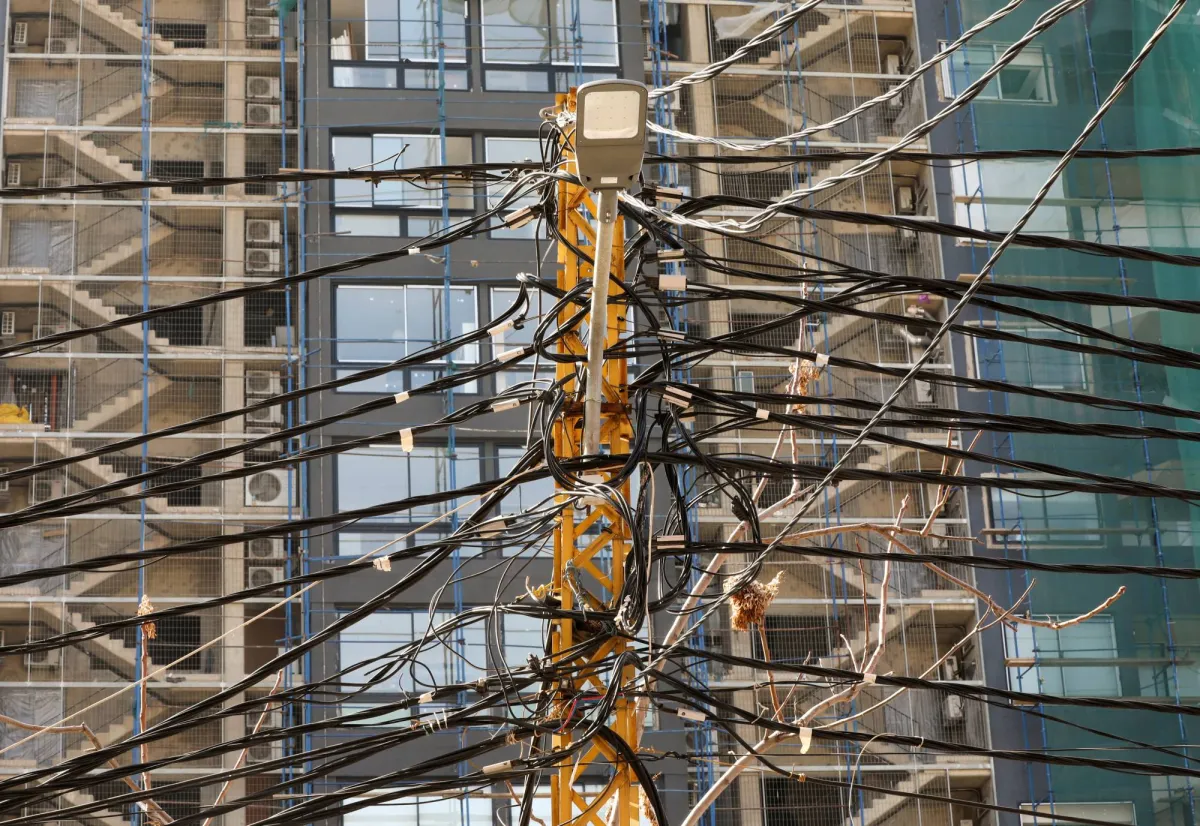
This initiative comes amidst Lebanon’s ongoing economic turmoil, where the energy sector has played a significant role in the country’s financial struggles. Generating substantial debt since the devastating civil war from 1975 to 1990, Lebanon’s power infrastructure has remained inadequate, providing only sporadic electricity while many residents rely on costly and environmentally harmful diesel generators.
Current estimates suggest that the state-run power company delivers just a few hours of electricity daily, straining the economy even further. Previous attempts to reform the energy sector and establish a reliable national grid have faltered due to political tensions and the interests of influential politicians in the fuel and energy industries.
By proposing to invest in Lebanon’s energy sector, Qatar aims not only to help revitalize the country’s economy but also to expand its influence in the region. Recent activities show a growing Qatari presence in neighboring Syria, where efforts include securing contracts for significant power generation capacity and establishing oil and gas extraction operations.
As discussions move forward, the Lebanese government’s swift approval will be crucial for the timely implementation of these ambitious energy projects, which could usher in a new era of power reliability and sustainability for the nation.