
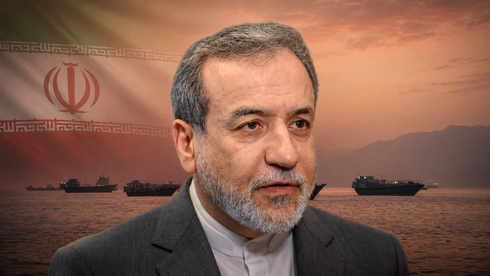
A Qatari citizen has lost his life amid rising military tensions in the Gulf region, as reported by Qatar’s Interior Ministry. This tragic incident occurred during a critical period, marked by stalled U.S.-Iran technical negotiations in Switzerland. The situation is further complicated by ongoing disputes over control of the Strait of Hormuz, a vital waterway for international shipping, which has now become a significant barrier to diplomatic resolution.
Details of the Incident
The specific military action that led to the Qatari citizen’s death remains unclear. The timing coincides with renewed military exchanges between the United States and Iran, particularly in relation to the strategic waterway. The Qatari authorities reported that the deceased was struck by shrapnel from ongoing military operations in the vicinity, highlighting the perilous environment. Additionally, another individual, an Arab national, sustained injuries and has since been stabilized following medical treatment.
In the aftermath, Qatar’s border and coastal security forces initiated a search operation after a vessel, carrying two persons, failed to return as scheduled. The maritime patrols successfully located the vessel the following morning. This indicates a heightened sense of urgency regarding security in the waters surrounding Qatar and the Strait of Hormuz.
Impact on U.S.-Iran Relations
The loss of life adds an alarming dimension to an already complex regional crisis. Reports from the Wall Street Journal suggest that recently planned talks between the U.S. and Iran, which aimed to establish a communication channel to reduce escalatory risks, have been suspended. This development comes just days after both nations had engaged in discussions to foster understanding and prevent further conflicts.
A crucial factor behind the deadlock lies in differing interpretations of a U.S.-Iran memorandum that pertains to maritime control. Iranian officials, including Foreign Minister Abbas Araghchi, assert that the responsibility for managing traffic in the Strait of Hormuz solely rests with Tehran. Conversely, the U.S. maintains that navigation should remain unobstructed, emphasizing that the agreement does not confer exclusive control to Iran.
Escalating Military Actions
In recent days, the U.S. has conducted military strikes targeting Iranian assets in response to allegations of Iranian aggression towards commercial shipping in the Strait. U.S. Central Command reported hitting ten military objectives linked to Iran. Incidents of drone strikes against oil tankers have further fueled these tensions, underscoring the fragile state of maritime security.
Iran has vehemently denied accusations from the U.S., stating that it has adhered to the agreements while accusing Washington of violating them. The Revolutionary Guard Corps has issued stern warnings against U.S. military presence, cautioning that any violations of Iranian maritime directives would be met with increased force.
The Broader Implications for Gulf States
The ongoing crisis has placed Gulf states, including Qatar, in a precarious position. While they have acted as intermediaries in diplomatic efforts, the recent violence complicates their roles as they endeavor to avoid becoming involved in the hostilities. With one of their citizens now a victim of the escalating situation, Qatar faces a challenging balancing act in its efforts to mediate between conflicting interests.
As tensions mount, the Strait of Hormuz stands as a critical test for the fragile U.S.-Iran relationship. If a consensus cannot be reached regarding control of this vital passage, the premature halt of talks in Switzerland could represent just one of several lost opportunities for diplomatic engagement. The ongoing situation must be monitored closely, as it holds implications not only for the geopolitical climate in the Gulf but for global shipping routes dependent on open navigability through the Strait.