
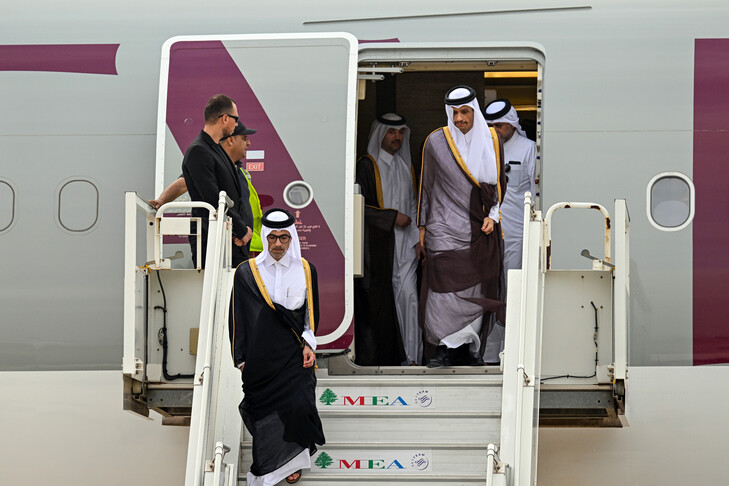
Sheikh Mohammed bin Abdulrahman Al Thani, the Prime Minister and Foreign Minister of Qatar, recently initiated a significant visit to Beirut, Lebanon. This trip underscores the importance of diplomatic relations between Qatar and Lebanon, as well as the urgent need for regional stability amid ongoing challenges.
Arrival and Key Engagements
On his arrival at Rafic Hariri International Airport, Sheikh Al Thani was welcomed by Lebanese Prime Minister Nawaf Salam. This meeting marks an essential step in reinforcing the ties between the two nations. The Qatari leader is set to engage with various high-ranking officials during his visit, including Lebanese President Joseph Aoun, Parliament Speaker Nabih Berri, and Prime Minister Salam. Such interactions are pivotal as they aim to address Lebanon’s pressing security concerns and economic instability.
Meetings with Military Leaders
The agenda includes discussions with key military figures in Lebanon, specifically Lebanese army commander Gen. Rodolphe Haykal and General Security chief Maj. Gen. Hassan Choucair. Engaging these leaders is crucial for understanding the intricate security dynamics in Lebanon, particularly given the looming threats that the nation faces from external sources. The dialogue with military officials may play a role in strengthening cooperation and combat readiness against potential aggressions.
Context of Regional Tensions
This visit by Sheikh Al Thani is taking place during a time of escalated regional unrest. Lebanon continues to navigate complex security dilemmas, especially concerning its southern borders, where Israeli assaults have raised alarms. The ongoing instability not only affects national security but also aggravates the socioeconomic challenges that Lebanese citizens endure. In this context, diplomatic efforts are increasingly necessary to foster peace and to bolster Lebanon’s governmental institutions.
The Importance of Diplomatic Support
As the Qatari leader engages with his Lebanese counterparts, the overarching goal remains to fortify Lebanon’s stability amidst a backdrop of adversity. Qatar’s proactive diplomatic stance serves as a reassuring signal for Lebanon, emphasizing the necessity for international support and collaboration. The meetings during this visit are more than mere formalities; they represent a concerted effort to address issues that impact the well-being of millions in Lebanon.
Through this dialogue, Sheikh Al Thani is likely to advocate for continued international support, crucial for navigating Lebanon’s multifaceted challenges. With global powers keeping a close watch on the Middle East, the outcomes of such visits could play a pivotal part in shaping Lebanon’s future, both politically and economically.
In summary, the visit of Sheikh Mohammed bin Abdulrahman Al Thani to Beirut is a vital element in the ongoing discussions surrounding Lebanese stability, regional security, and the mutual interests of Qatar and Lebanon. The significance of this diplomatic engagement cannot be overstated, as it symbolizes a unified attempt to promote peace and resilience in the face of adversity.