
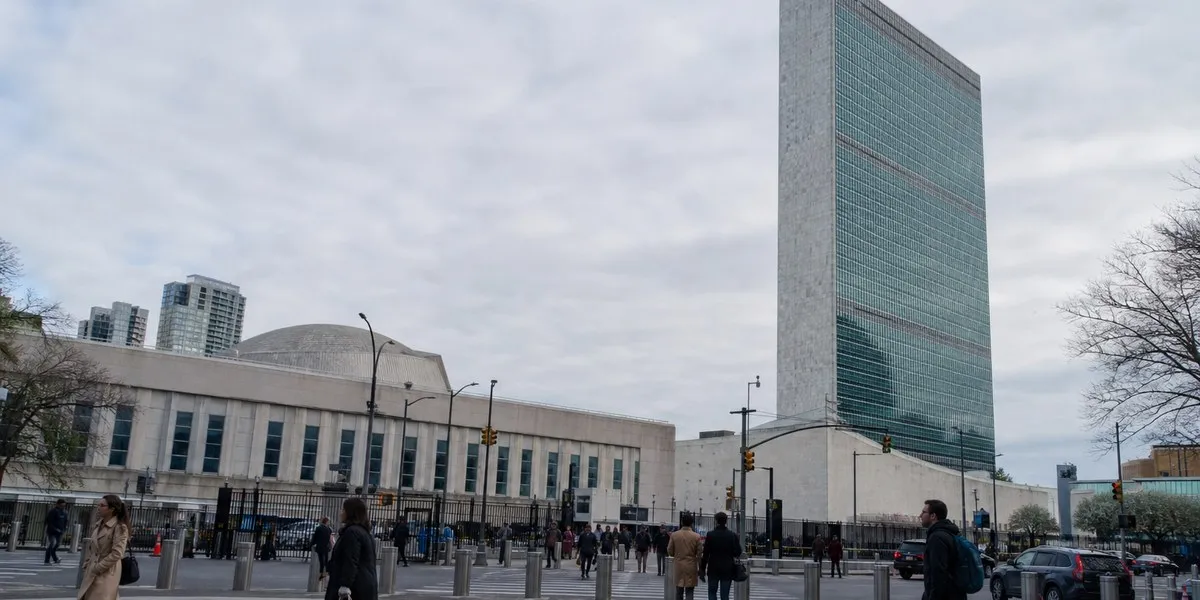
Qatar’s Emir, Sheikh Tamim bin Hamad Al Thani, recently addressed the United Nations General Assembly in New York, emphasizing the urgent need for diplomatic solutions concerning Iran. His remarks highlighted the escalating tensions in the Persian Gulf and the necessity of restoring safe navigation through the vital Strait of Hormuz. The emir considered this period one of the most precarious in the region’s history, calling for immediate action.
Urgent Need for Diplomatic Engagement
Emir Tamim articulated that the ongoing conflicts with Iran can be traced back to a series of delayed diplomatic initiatives. He proposed the establishment of a regional collective security framework geared towards respecting state sovereignty and promoting peaceful conflict resolution. According to him, any long-term agreement with Tehran must prioritize the security interests of every nation in the Gulf, including Iran itself. He reaffirmed Qatar’s role as a credible intermediary, committed to facilitating diplomatic efforts to resolve ongoing regional disputes.
Global Calls for Navigation Freedom
Turkish President Recep Tayyip Erdoğan echoed similar sentiments regarding the necessity of uninterrupted navigation through the Strait of Hormuz. He stated that Turkey is collaborating with other nations to mitigate hostilities in the Persian Gulf. Erdoğan cautioned that a spillover of conflict into surrounding countries would serve no beneficial purpose for any party involved. Additionally, he urged UN member states to exert more pressure on Israel in light of the ongoing situation in Gaza, advocating for the recognition of Palestine by nations that have not yet done so. During his speech, representatives from the Israeli delegation left the assembly, demonstrating the contentious atmosphere surrounding these discussions.
The Jordanian Perspective
King Abdullah II of Jordan took a critical stance regarding the international community’s inaction toward Israel, labeling it a political choice rather than a limitation of available tools. He drew comparisons to how sanctions and diplomatic isolation have been applied to other conflicts. The Jordanian monarch condemned Israeli actions such as land seizures, the expansion of settlements, and the violence inflicted on Palestinians in the occupied West Bank. He noted that the ongoing tensions with Iran negatively impact trade and investment, leading to increased energy and food prices on a global scale.
In light of these discussions, it is evident that leaders from various nations are advocating for urgent dialogue and cooperative strategies. While the complexities of the regional dynamics continue to pose challenges, the calls for negotiation and security cooperation are pivotal in striving for stability in the Persian Gulf.
As the international community navigates these turbulent waters, the emphasis on diplomacy, collective security, and the safeguarding of human rights remains critical in addressing both regional and global challenges. The commitment from leaders to foster dialogue illustrates a vital path toward resolving long-standing conflicts.