
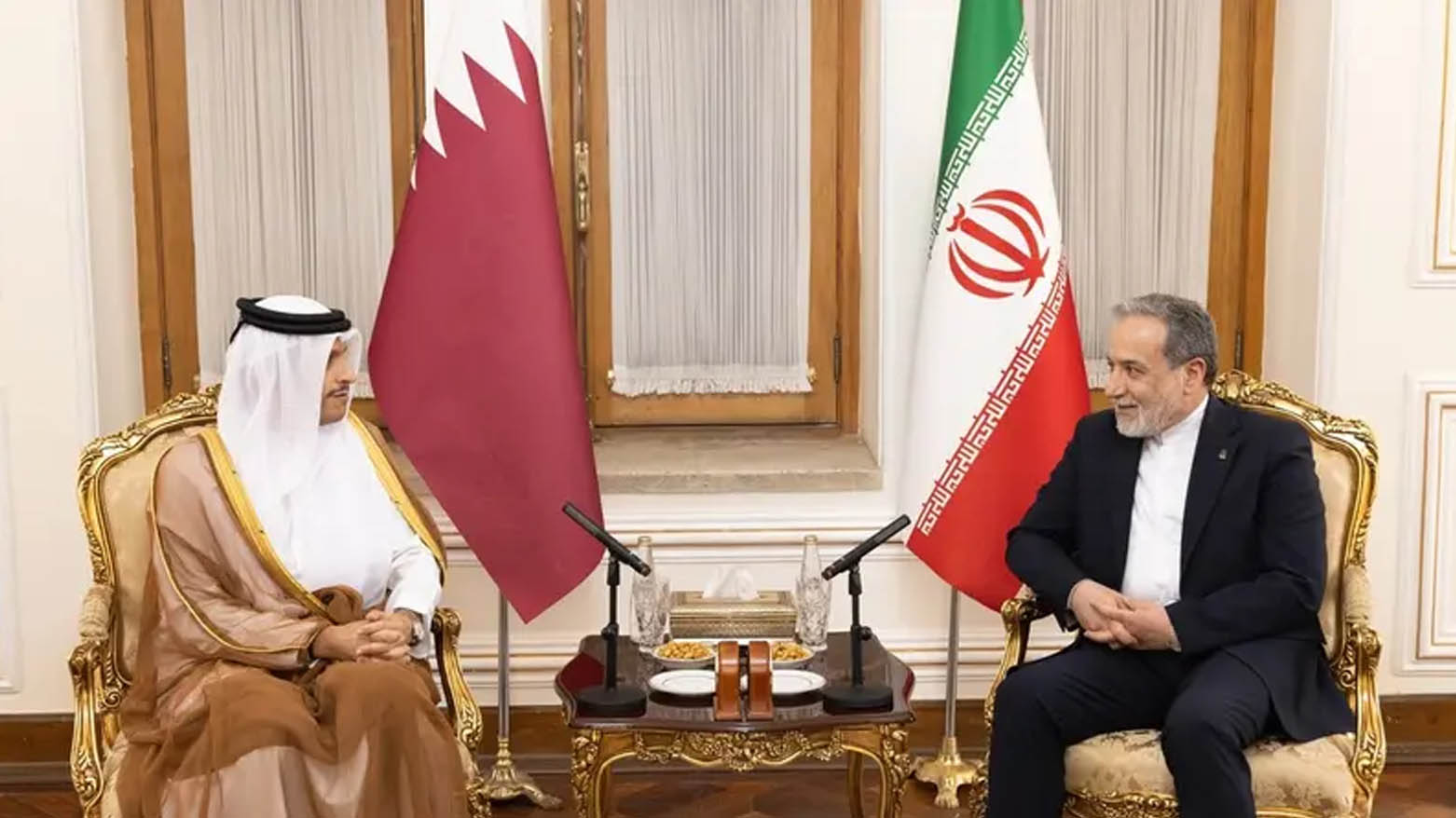
Iranian Foreign Minister Abbas Araghchi recently held a significant meeting with Qatari Prime Minister and Foreign Minister Sheikh Mohammed bin Abdulrahman Al Thani in Tehran. This encounter comes amid heightened diplomatic activities focused on the strategic Strait of Hormuz, a vital waterway for global oil supply. The backdrop to these discussions includes a US naval blockade affecting Iranian ports and escalating regional tensions.
Background of Diplomatic Engagements
Al Thani’s visit follows a week filled with high-profile diplomatic discussions in Tehran, which involved Oman’s foreign minister and key officials from Pakistan. These talks aim to mitigate ongoing conflicts and revitalize negotiations concerning the pivotal Strait of Hormuz. Qatar’s Foreign Ministry noted that Araghchi and Al Thani focused on strategies to reduce tensions and outlined proposed frameworks previously discussed between Iran and Oman regarding maritime security.
During their meeting, Al Thani emphasized the necessity of honoring the sovereignty of neighboring nations and stressed the importance of ensuring unobstructed navigation through the Strait. His advocacy for open dialogue reflects Qatar’s broader objective to stabilize the region and foster understanding among all parties involved.
The Role of Qatar and Pakistan
Qatar and Pakistan have both played critical roles as mediators in recent regional initiatives. Their influence was instrumental in securing a ceasefire in April and reaching a subsequent agreement between Iran and the United States in June. However, both arrangements have deteriorated, leading to renewed hostilities and intensified tensions surrounding the Strait of Hormuz.
With nearly a fifth of the world’s oil traversing this narrow passage, the Strait’s security remains a significant concern for global energy markets. The ongoing instability has further complicated Iran’s economic situation, with the United States implementing a naval counter-blockade and threatening secondary sanctions aimed at entities maintaining business relations with Tehran.
Impact of US Sanctions on Iran
The situation has severely impacted Iran’s economy. Iranian Vice President Mohammad Jafar Ghaempanah pointed out that the US blockade has hindered Iran’s ability to import sufficient petrol, exacerbating domestic shortages in production. This predicament highlights the multifaceted repercussions of the US’s campaign, which the administration terms “economic asphyxiation.”
Recent negotiations focusing on the Strait of Hormuz are crucial, as Iran and Oman explore possible temporary solutions to ensure safe passage through this critical energy corridor. These diplomatic endeavors aim to avert a potential escalatory spiral that could disrupt not just regional stability, but global oil supplies as well.
In conclusion, the ongoing discussions between Iran and Qatari leadership represent an essential step towards alleviating tensions in one of the most strategically important regions in the world. As diplomatic channels remain active, the hope is to navigate through these turbulent waters and achieve a level of stability that benefits not just the involved nations but the broader international community.