
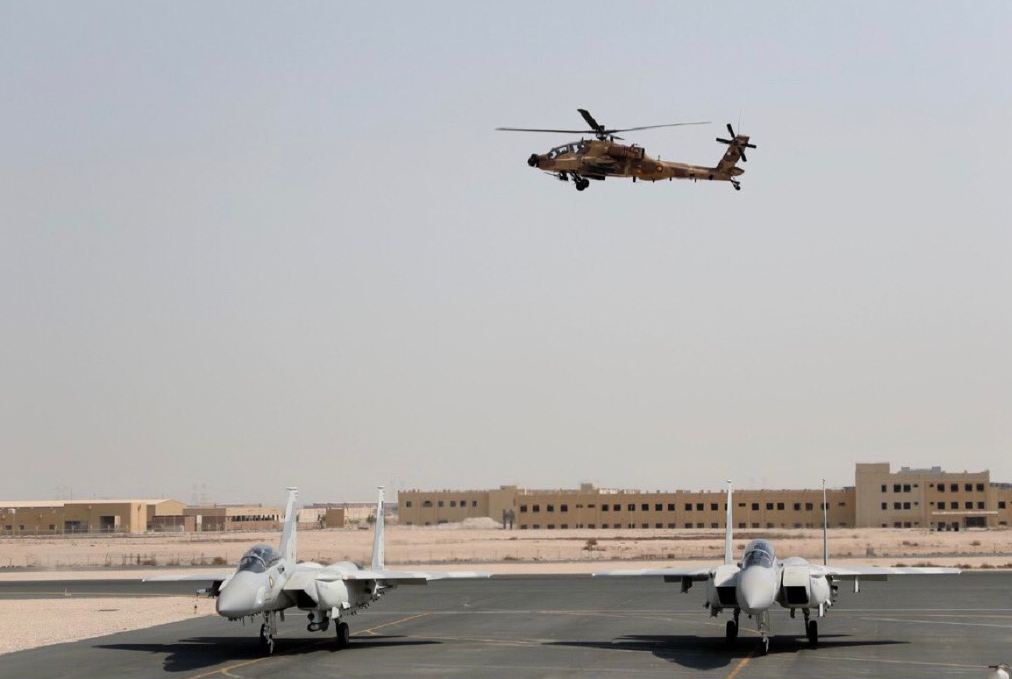
Qatar’s defense strategy emphasizes the integration of advanced combat aircraft and missile defense systems, coupled with strategic military alliances. However, sustaining the protection of its territory while ensuring the continuous flow of gas exports poses distinct challenges. A potential adversary does not need to defeat Qatar’s military forces to significantly impact the economy; targeting infrastructure or disrupting access to vital shipping routes can generate long-lasting effects. Consequently, Qatar’s military modernization must be evaluated through its capacity to maintain state functionality during a prolonged crisis.
Challenges in Defense and Recovery
Recent events have highlighted the delicate balance between defense and recovery. For instance, reports indicated that attacks on Ras Laffan had incapacitated 17% of Qatar’s liquefied natural gas production capacity. The delays in repairs, expected to take up to three years, underscore the complexities Qatar faces. The disruption has hindered the import of essential equipment for expansion, creating a challenge in immediate recovery while ensuring ongoing military readiness. Each assault necessitates a multifaceted approach, as maintaining industrial capability and restoring outputs require coordinated access to specialized resources and human expertise.
In this context, Qatar’s strategic focus must transcend merely acquiring sufficient weaponry to deter potential attacks. It necessitates a robust mechanism to conduct military operations while ensuring that critical economic activities remain functional. The interaction and operational synergy between its military forces and international partners under pressure is a primary consideration that influences its overall defense posture.
The Complexity of Fighter Programs
Qatar’s expansion of its combat aviation capabilities, featuring advanced fighter programs such as the American F-15QA, French Rafale, and Eurofighter Typhoon, illustrates its ambition in modern military operations. While the procurement of these fighter jets showcases Qatar’s military planning, it also creates challenges in terms of operational sustainability. Simply knowing the number of aircraft does not provide insight into their availability for combat or operational endurance.
Furthermore, managing a diverse fleet complicates logistics. Each type of aircraft demands unique technical qualifications, spare parts, and support structures. Consequently, while these programs broaden Qatar’s military partnerships, they also impose additional pressures on maintenance and operational readiness. Maintaining aircraft and trained personnel can prove more crucial than simply expanding the number of fighters in Qatar’s inventory.
Air Defense and Replenishment Strategies
Qatar’s air defense systems, including the Patriot and National Advanced Surface-to-Air Missile Systems (NASAMS), provide varied interception options against aerial threats. However, replenishment of these defense assets requires time and financial resources, often complicating response times in a regional crisis. The anticipated delivery of advanced interceptor systems reflects the scale of replenishment needed.
Significantly, Qatar’s air defense economics extend beyond direct costs associated with incoming threats. The implications of air defense must also consider whether the continuity of supplies and successful identification of threats aligns throughout prolonged engagements. A system’s sustainability relies on effective management of resources, maintenance capabilities, and the operational timeline for replenishing defense inventories.
The Importance of Diplomacy and Partnerships
The nature of Qatar’s security alliances, particularly with the United States, is underpinned by political commitments that extend beyond military assistance. These relationships facilitate operational coordination, exemplified by the establishment of joint operational structures like the Combined Defense Operations Cell. While partnerships can enhance diplomatic and operational frameworks, they do not guarantee identical responses during different conflicts.
A key part of this framework involves balancing military aspirations with diplomatic negotiations. Qatar must ensure that there is a flow of support even after the initial attacks subside, particularly as it assesses the ongoing repercussions of a crisis. Building and maintaining robust partnerships, preparing cooperative frameworks for resource sharing, and fostering diplomatic channels remain essential to Qatar’s long-term strategy in safeguarding its national interests.