
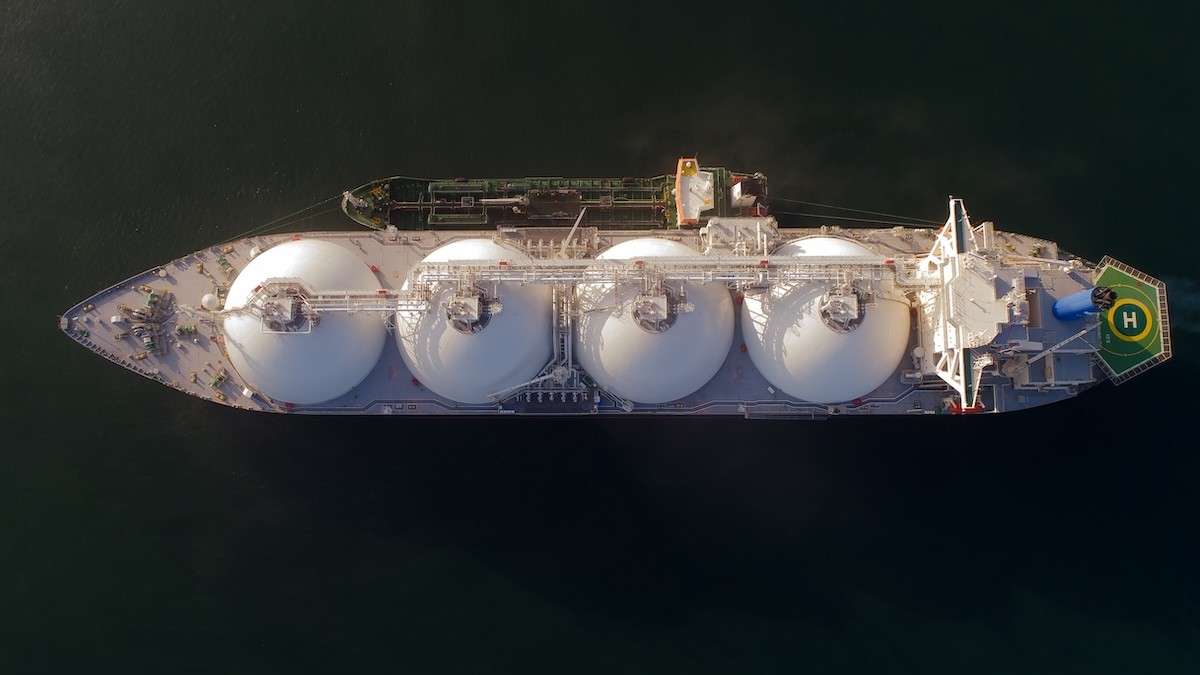
As Qatar seeks to stabilize its liquefied natural gas (LNG) exports, a wave of empty LNG carriers has recently arrived at the Ras Laffan facility. This move marks a significant step toward resuming operations following disruptions caused by geopolitical tensions. Industry experts are closely monitoring these developments as Qatar prepares for potential production normalization in the near future.
Recent Developments at Ras Laffan
Reports indicate that up to eight LNG carriers are poised to load superchilled gas at Qatar’s Ras Laffan hub in the upcoming days. Additionally, another carrier is making its way to the gas production complex, while two others are heading towards the strategic Strait of Hormuz. These developments suggest that Qatar is keen to ramp up its LNG exports following substantial interruptions.
Earlier this week, Qatar’s Prime Minister Sheikh Mohammed bin Abdulrahman al-Thani reaffirmed the country’s commitment to normalization. He stated, “Within a few weeks, production will return to normal, with the exception of the damaged facility.” This statement underscores Qatar’s determination to restore its export capacity, especially as teams from QatarEnergy have already mobilized to facilitate a swift recovery.
Impact of Geopolitical Tensions
Qatar’s LNG operations faced significant challenges when conflicts escalated between the U.S. and Israel, leading to retaliatory Iranian strikes on Gulf states housing U.S. military bases. This situation forced Qatar to invoke a force majeure on its LNG exports, causing a major disruption in its gas processing capabilities. Initial estimates projected that complete repairs could take anywhere from two to five years.
Despite these challenges, the company remains optimistic about its recovery timeline. A recent explosion at the LNG hub resulted in tragic losses, claiming 13 lives and injuring 66 individuals, yet QatarEnergy is hopeful that normal operations will resume by October. The operational resilience of Ras Laffan is a critical factor in Qatar’s efforts to re-establish itself as a reliable LNG supplier.
Future Outlook for LNG Exports
While QatarEnergy has not yet officially lifted the force majeure on exports, indications suggest that unaffected areas within Ras Laffan can quickly rebound. The head of the Gas Exporting Countries Forum has pointed out that, provided the Strait of Hormuz remains open, gas markets are expected to stabilize in the coming months. Philip Mshelbila, the organization’s leader, noted that if conditions allow for free traffic in the Persian Gulf, the rebalancing of gas markets could occur by the fourth quarter of this year.
The potential stabilization of Qatar’s LNG exports holds substantial implications for global gas markets, especially given the current volatility influenced by ongoing geopolitical tensions. As the situation evolves, stakeholders in the energy sector will be keenly watching Qatar’s efforts to recover and how these will affect the broader landscape of liquefied gas supply and pricing.
In summary, Qatar’s recent activities at the Ras Laffan hub signal an eagerness to resume LNG exports. Despite facing challenges from geopolitical conflicts, the country seems poised to stabilize its production and enhance its position in the global LNG market. As the situation develops, the gas industry will closely observe Qatar’s recovery and its potential impact on global energy markets.