
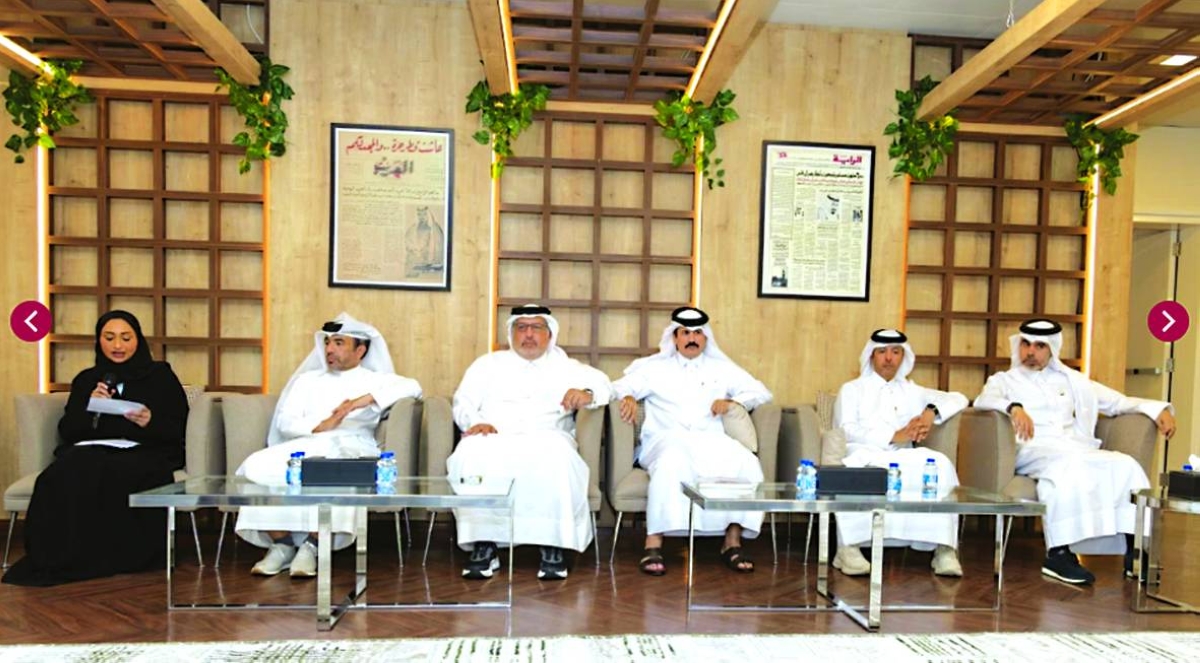
In Qatar, enhancing collaboration between media outlets and security agencies is essential to combat disinformation and ensure national security, as emphasized during a recent panel discussion led by the Qatar Press Centre. This event, held in partnership with the Joaan bin Jassim Academy for Defence Studies, gathered participants from various sectors to address significant challenges posed by the digital age, notably artificial intelligence (AI) and information warfare.
Challenges of Digital Transformation and Information Warfare
Current threats to information integrity were the focal point of the discussion, where editors from prominent local newspapers and representatives from government institutions convened alongside the National Defence College participants. The exploration encompassed AI’s role in propagating narratives during regional conflicts, particularly highlighting how entities linked to Iran have leveraged technology to influence public perception against Gulf states. Faisal al-Mudahka, editor-in-chief of Gulf Times, illustrated this “war of narratives,” revealing Qatari media’s ongoing struggle against smear campaigns that have persisted regardless of shifting contexts.
The Evolving Media Landscape
The evolution of digital media presents both challenges and opportunities for traditional journalism. Al-Mudahka remarked that the transition toward a digital-first media strategy varies among publications based on their established ownership structures and resources. This variation underscores the necessity of adapting to an increasingly digital audience while maintaining high standards of content quality and credibility. Faleh Hussein al-Hajri, the editor-in-chief of Al-Arab, echoed this sentiment, asserting that traditional media can remain influential if it continues to evolve in response to current trends.
Collaboration to Counter Misinformation
Jaber al-Harmi, vice-chairman of the Qatar Press Centre, underlined the media’s pivotal role in projecting an accurate image of Qatar while counteracting misleading narratives. He asserted that collaboration between media institutions and governmental bodies needs to be an ongoing process rather than a reactionary measure during crises. The discussion highlighted the importance of creating a strong, coordinated media strategy that includes input from both civilian media and military sectors. Participants agreed that this partnership is crucial for ensuring a unified response to emerging threats.
The Future of Media and Content Creators
Participants also discussed the potential of influencers and content creators in shaping public discourse and their role as an emerging form of soft power. Eng. Hamad Jassim al-Bahar proposed establishing a sophisticated media monitoring platform to analyze trends and enhance communication efforts, while Awad al-Ahbabi emphasized the necessity of developing responsible influencers capable of engaging with critical public issues effectively.
The Qatar Press Centre has initiated training programs to foster versatile journalists proficient in diverse media formats. As the digital landscape continues to evolve, the capability to deliver verified and accurate information will remain crucial for safeguarding national interests and countering disinformation in all its forms.
In conclusion, the panel discussion served as a crucial reminder of the media’s pivotal role in national security. As the digital information landscape grows more complex, it becomes increasingly imperative for Qatari media channels to engage proactively with security institutions and develop robust strategies to safeguard the truth while navigating the intricacies of modern communication challenges.