
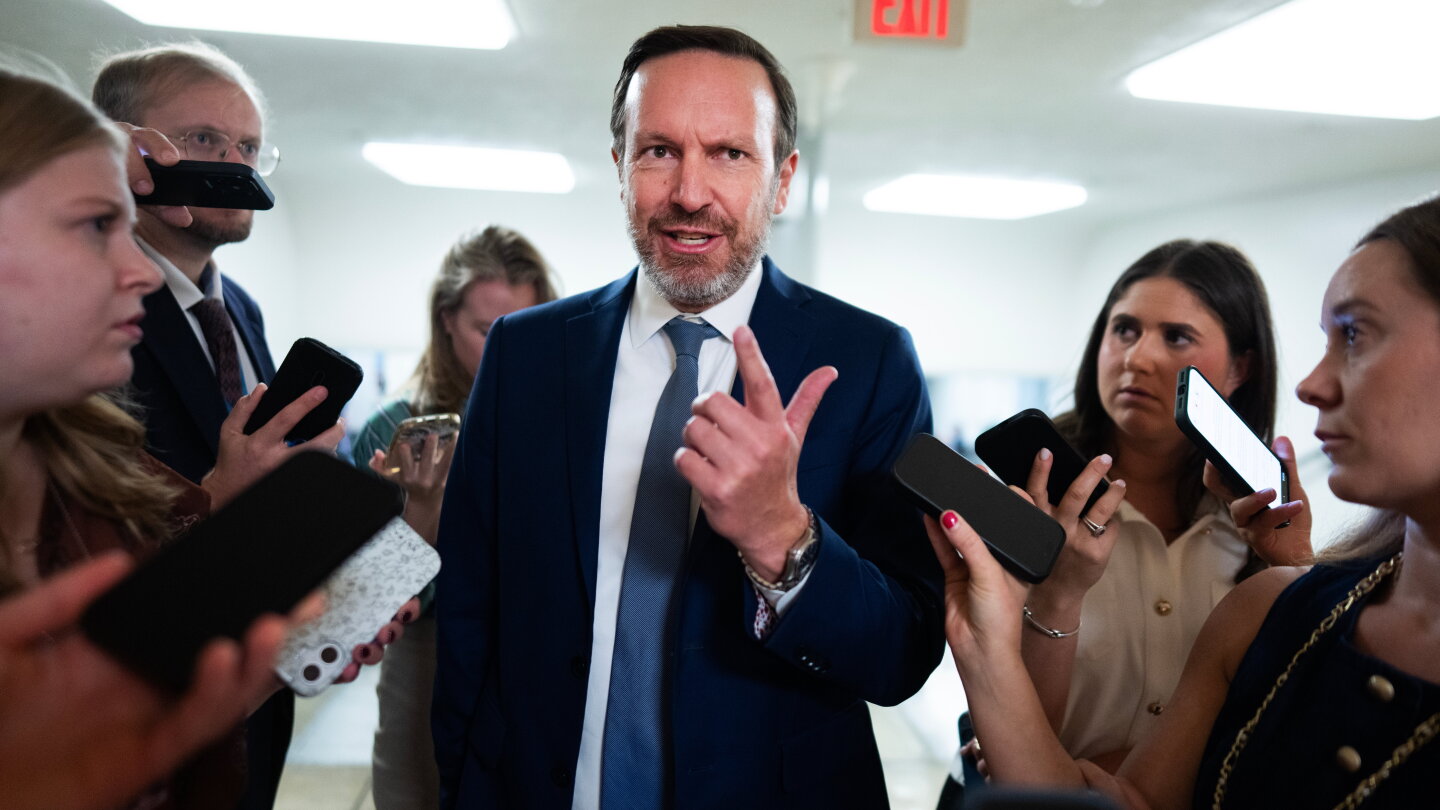
Senator Chris Murphy Denied Access to Military Base in Qatar
Democratic Senator Chris Murphy recently faced restrictions while on an official visit to the Middle East, specifically regarding access to a U.S. military installation in Qatar. This development comes amidst ongoing discussions about the current situation in Iran and its ramifications for U.S. military presence and partnerships in the region.
Murphy’s Congressional Delegation and Regional Meetings
Senator Murphy is currently leading a congressional delegation aimed at understanding the complexities of the Iran conflict. As part of his itinerary, he traveled to significant locations, including Riyadh, where he engaged with Saudi Crown Prince Mohammed bin Salman, and Qatar, where he met with Emir Tamim bin Hamad Al Thani. Murphy’s objective was clear: he sought to gain firsthand insight into the repercussions of the Iran War.
“I want to see firsthand the impact of the Iran War, the damage it’s caused to our facilities in the region, and how it’s harmed our relationships with partners in the region,” Murphy stated. His visit reflects a broader concern regarding the ongoing conflict and its potential infringement on U.S. interests abroad.
Access Denied: A Curbed Military Visit
In an unexpected turn of events, Murphy aimed to visit Al Udeid Air Base, the largest U.S. Air Force facility in the Middle East. However, as reported, access was denied. The Pentagon not only blocked his entry but also refused to arrange a briefing regarding the current state of the war. This denial highlights the sensitive nature of military engagements and the complexities surrounding congressional oversight.
“This trip confirmed for me that there is an active, unprecedented, unconstitutional effort underway to hide the costs of this war and the implications of this war from Congress and the American people,” Murphy expressed in his comments to reporters. He also emphasized that he had never faced such a barrier in his Senate tenure, calling it a deliberate campaign of misinformation that he believes should be challenged by his Republican colleagues.
Defense Department’s Response and Justifications
In a statement to The Washington Sun, a senior official from the Defense Department clarified that Murphy’s team had been informed ahead of his visit about the lack of access to Al Udeid Air Base. This decision was attributed to Defense Secretary Pete Hegseth’s directive regarding travel restrictions in the region. The official noted, “The Department applies the Secretary’s guidance evenly,” suggesting that this is standard protocol for safety and operational security.
Al Udeid Air Base has been a target for multiple attacks, raising concerns about the safety of American personnel stationed there. Notably, a missile strike occurred in March, although no casualties were reported. Furthermore, in June, U.S. Central Command confirmed the successful defense against an Iranian ballistic missile attack aimed at the base.
Conclusion: Implications for U.S. Policy and Military Relations
Murphy’s denied access raises significant questions surrounding transparency and communication between Congress and the executive branch, especially regarding military operations and foreign conflicts. As U.S. interests in the Middle East evolve, the necessity for clear lines of information becomes increasingly critical, underscoring the importance of oversight in matters of national security. This development serves as a reminder of the complexities associated with U.S. military involvement in volatile regions and the ongoing diplomatic efforts necessary to maintain strategic partnerships.