
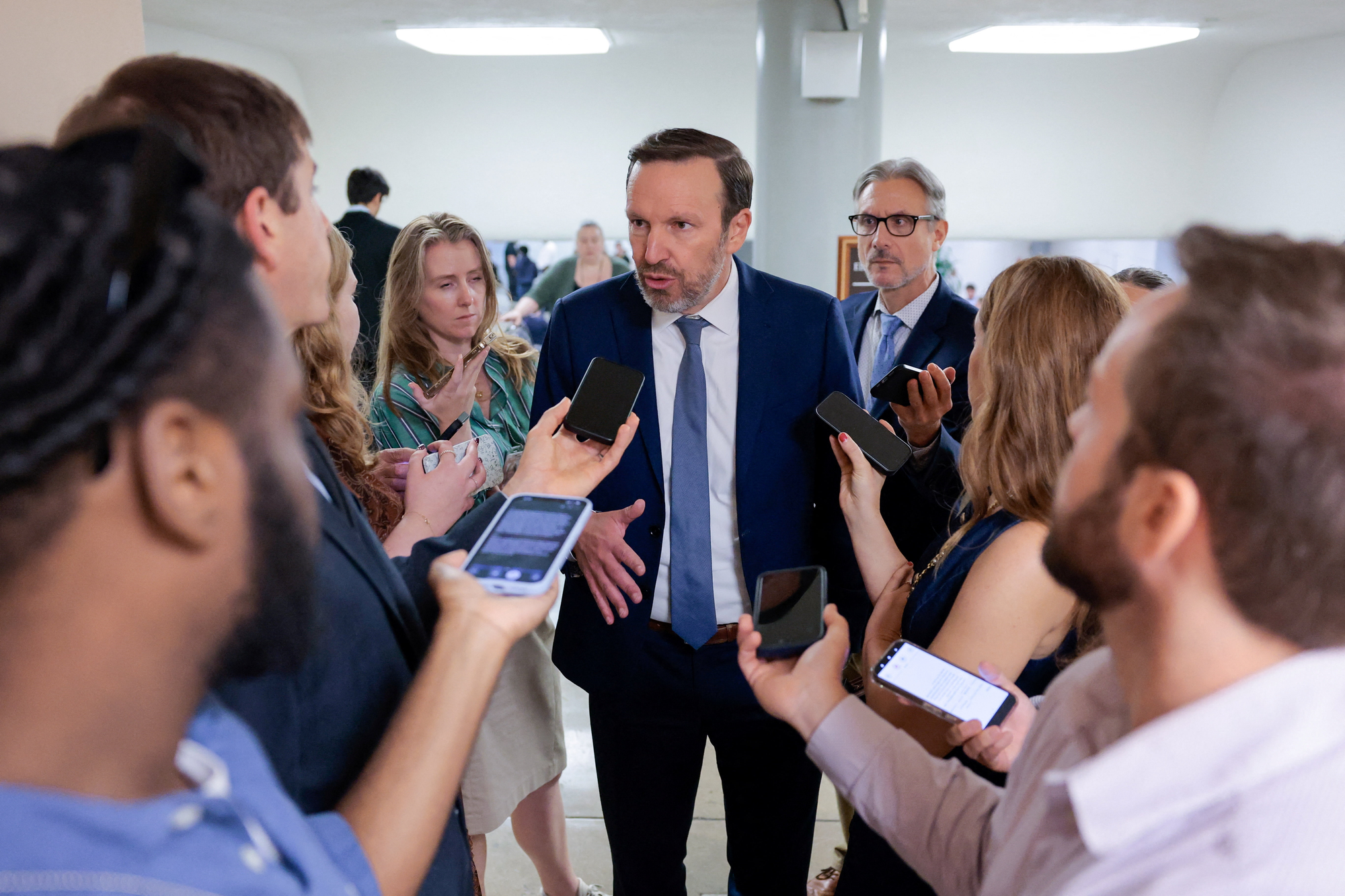
Senator Chris Murphy has raised significant concerns regarding the Pentagon’s decision to deny him access to the Al Udeid Air Base in Qatar during his recent visit to the Middle East. This unusual move has sparked debates about transparency and accountability in U.S. military operations, especially concerning the ongoing costs related to the conflict in Iran.
Access Denied: A Controversial Move
Murphy characterized the Pentagon’s refusal as not only unprecedented but also unconstitutional. He highlighted that while he was in the region, the military institution also declined to provide him with a briefing on the Iran war. This lack of access to critical information raises questions about the transparency of military operations and whether officials are attempting to obscure crucial financial data related to the war.
Compounding the issue, Murphy alleged that the directive to limit his access came from Hegseth, who had reportedly instructed military personnel to disguise the true costs of the war in Iran. This assertion was reiterated in a formal press release from Murphy’s office, emphasizing his commitment to holding the Pentagon accountable for its decisions. Such claims reflect broader concerns about how military expenditures are managed and reported to Congress and the American public.
Support and Engagement: Meeting Regional Leaders
Despite the hurdles presented by the Pentagon, Murphy’s visit was not entirely without support. Secretary of State Marco Rubio played a role in facilitating the trip, which allowed Murphy to engage with notable leaders in the region. During his time in Qatar, Murphy had the opportunity to meet with Emir Sheikh Tamim bin Hamad al Thani and Saudi Crown Prince Mohammed bin Salman. These discussions likely focused on regional stability, diplomatic relations, and the implications of the ongoing conflict involving Iran.
The interactions with these influential figures underline the importance of U.S. engagement in Middle Eastern geopolitics, even when domestic challenges impede access to military sites. Building relationships with regional leaders is vital for promoting U.S. interests and ensuring a balanced approach to diplomacy in a complex and volatile area of the world.
Implications for Military Transparency
The refusal to allow Murphy access has raised broader concerns about military transparency and accountability. As a member of Congress, he is tasked with overseeing military operations and expenditures; therefore, access to information is crucial for effective governance. The Pentagon’s decision, coupled with the alleged directive from Hegseth, suggests a potential trend toward limited transparency regarding military actions and costs.
Such actions may threaten the legislative branch’s ability to scrutinize military spending effectively. Without adequate information, lawmakers cannot make informed decisions regarding funding and oversight. This situation emphasizes the need for a more open dialogue between military officials and Congress to ensure that all parties are held accountable for their actions.
In summary, the events surrounding Senator Murphy’s visit to the Middle East illuminate ongoing issues related to military access and transparency. The refusal to grant access to Al Udeid Air Base raises alarming questions about the Pentagon’s commitment to openness, while Murphy’s meetings with key regional leaders serve as a reminder of the critical nature of U.S. engagement in the Middle East. It is essential that Congress remains vigilant in overseeing military operations to safeguard transparency and accountability for all military expenditures.