
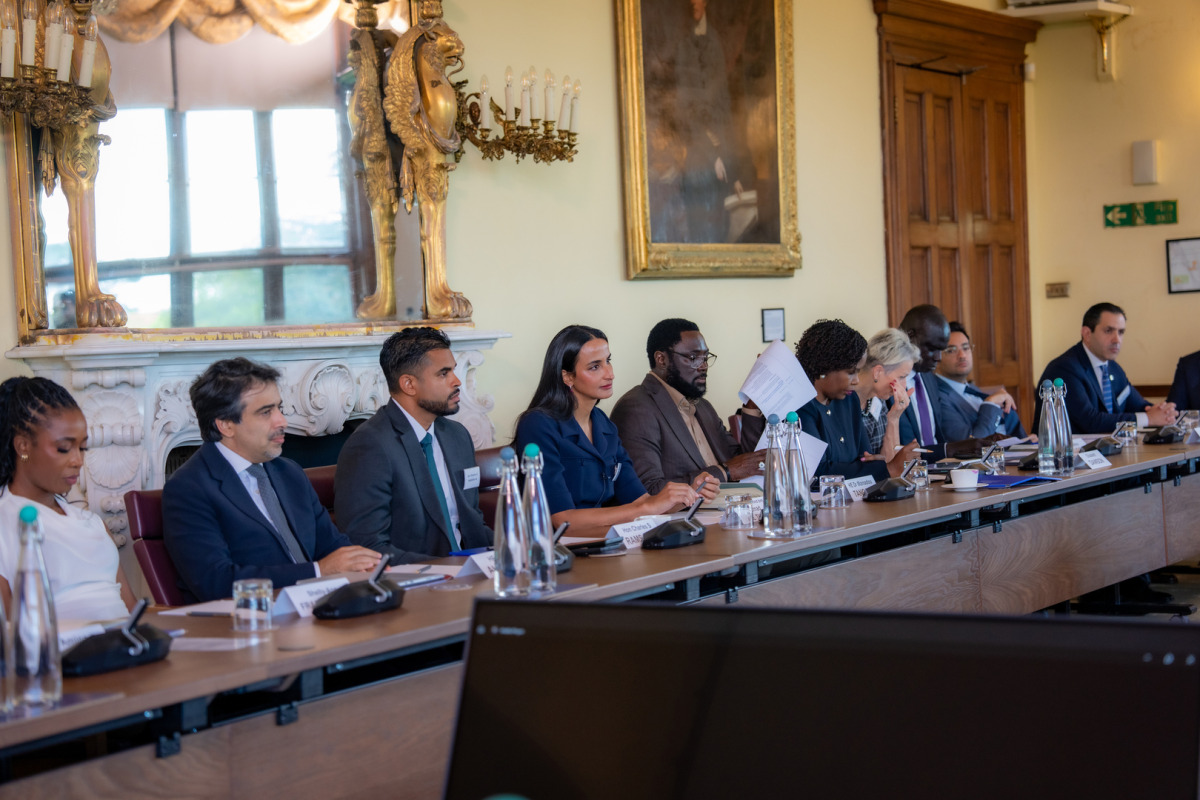
In a significant global gathering aimed at enhancing women’s and girls’ participation in sports, leaders from various sectors convened to address the prevailing obstacles within the industry. This event, focusing on the Global South, brought together policymakers, NGOs, civil society leaders, and development experts to forge solutions that empower female athletes and promote inclusivity in sporting environments.
Empowering Voices: The Role of Sport in Social Development
Her Excellency Sheikha Hind bint Hamad Al Thani, Vice Chairperson of Qatar Foundation, spearheaded the discussions, urging a united global coalition to leverage sports for societal progress. The three-day event, themed ‘Sport for Development in the Global South: Advancing Female Empowerment, Inclusion, and Accessibility,’ explored the systemic barriers that impede women and girls from participating in sports. Sheikha Hind emphasized that the existing frameworks fail to cater to the unique challenges faced by female athletes, thereby necessitating a paradigm shift in policy, funding, and infrastructure.
Participants highlighted the pressing need for the Global South to actively shape international agendas and ensure that the solutions implemented are reflective of the communities they serve. Workshops and discussions delved into the need for tailored coaching, accessible facilities, and enhanced research dedicated to women’s sports—a critical area often neglected.
Formulating Action Plans for Sustainable Change
In collaboration with Wilton Park, Qatar Foundation plans to produce a comprehensive policy brief post-event, detailing actionable steps to dismantle barriers that hinder access to sports for women, girls, and other marginalized communities. This initiative aligns with a landmark resolution proposed by Qatar at the United Nations, which advocates for sport as a fundamental human right and a tool for empowering women globally.
Sheikha Hind urged attendees to participate in a global sports coalition that transitions rhetoric into actionable commitments. The resolution, initially submitted by Qatar and supported by an array of nations including Indonesia and Morocco, resonates with a broader vision of inclusivity. She stressed that pursuing mere parity does not suffice; deeper engagement levels are necessary to recognize and address the distinct hurdles women encounter in sports.
Transforming Perspectives through Sports
The dialogue underscored sports’ transformational power, showcasing its ability to redefine how girls are perceived within their communities and how they perceive themselves. Sports participation fosters confidence, resilience, and leadership, primarily benefiting girls from underprivileged backgrounds. Dr. Khalilur Rahman, President-Elect of the 81st Session of the United Nations General Assembly, noted that participation in team sports allows girls to reclaim space and assert their identities, which subsequently translates into confidence in academic and professional spheres.
Experts like Her Excellency Dr. Mariam bint Ali bin Nasser Al-Misnad and His Excellency Fahad Hamad Al-Sulaiti emphasized that inclusive and empowering sports initiatives are crucial. They discussed the importance of listening to the voices of women and girls, especially those with disabilities, during program design to ensure equitable access to opportunities that facilitate both participation and leadership in sports.
Qatar Foundation’s Commitment to Women’s Sports
Qatar Foundation has a notable track record in promoting women’s and girls’ involvement in sports. Over the past two years, initiatives within the Education City Stadium have enabled more than 70,000 female participants to engage in various sports. The ongoing programs are designed to nurture young female talent across multiple disciplines, preparing them to compete on global stages such as the Olympic Games.
Furthermore, Qatar Foundation is leading several collaborations, such as the Circle In project, aimed at advancing sports for good across ten countries, with a specific focus on benefiting marginalized groups. As a host of significant international events, including the 2006 Asian Games and the FIFA World Cup 2022™, Qatar remains committed to establishing pathways that foster growth for athletes and promote equitable access to sports for all members of society.
Through collaborative efforts and determined leadership, this global dialogue marks a crucial step toward breaking down barriers and opening new avenues for female participation in the sports arena. Encouraging and nurturing the next generation of female athletes can drive substantial social change and equality within various societal segments.