
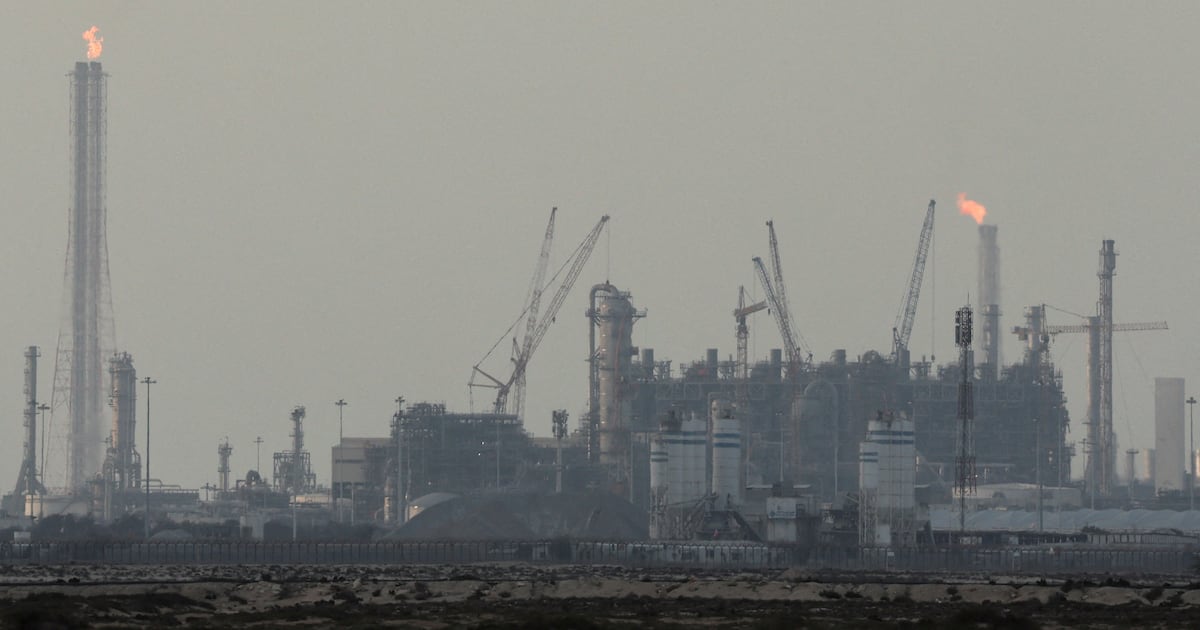
Qatar’s liquefied natural gas (LNG) production has faced significant disruptions recently, with Shell announcing that full repairs may not occur until early next year. This situation arose after a missile strike affected their Pearl gas-to-liquids plant during continued conflicts in the region. As a result, the industry is monitoring the situation closely, especially following the recent transit of the first Qatari LNG tanker through the Strait of Hormuz in three weeks.
Timeline for Repairs and Production Resumption
According to Shell’s Chief Financial Officer, Sinead Gorman, the damaged sections of the plant are expected to be back in operation by the first quarter of 2027. However, units that were not impacted could restart sooner, pending the reopening of shipping lanes. Despite these glimmers of hope, Shell’s projections for third-quarter results are based on the assumption of zero output from Qatar. This uncertainty reflects the complex dynamics affecting not only Shell’s operations but also the broader energy market.
Shell’s Stake and Continued Operations
Shell has a 30% stake in QatarEnergy’s fourth expansion train at the Ras Laffan facility, which has a yearly production capacity of 2.4 million tonnes. This facility has been operating even amid recent disruptions. Wael Sawan, Shell’s CEO, characterized the recent power outage as a short-term event, indicating optimism that the operational setback won’t have lasting consequences. Earlier in the year, Gorman pointed to Qatar as a critical factor influencing the company’s overall gas output.
The Impact of Force Majeure
On March 2, QatarEnergy was compelled to shut down production across its LNG facilities and subsequently declared a force majeure. This decision has significantly affected Shell’s Integrated Gas division, resulting in a 31% drop in production compared to the previous quarter, along with a 2% decrease in LNG liquefaction. The declaration of force majeure underscores the serious implications of geopolitical conflicts on energy production and supply chains.
Recent Developments and Profit Surge
There were signs of easing disruptions on Thursday when the Al Areesh, a QatarEnergy-associated LNG carrier, successfully navigated the Strait of Hormuz, marking the first such transit since a vessel was attacked in the waterway three weeks earlier. Despite these disruptions, Shell reported a remarkable second-quarter profit of $9.8 billion—its highest earnings since the start of the Ukraine crisis. This impressive figure, more than double from the previous year, exceeded analyst expectations, thanks to strong trading and refining gains that offset the losses from gas production.
In summary, while the recovery of Qatar’s LNG production remains uncertain, the ongoing developments highlight the critical role that geopolitical events play in shaping the global energy landscape. With Shell’s earnings indicating resilience amid challenges, stakeholders will be closely watching how the situation in Qatar unfolds over the coming months.