
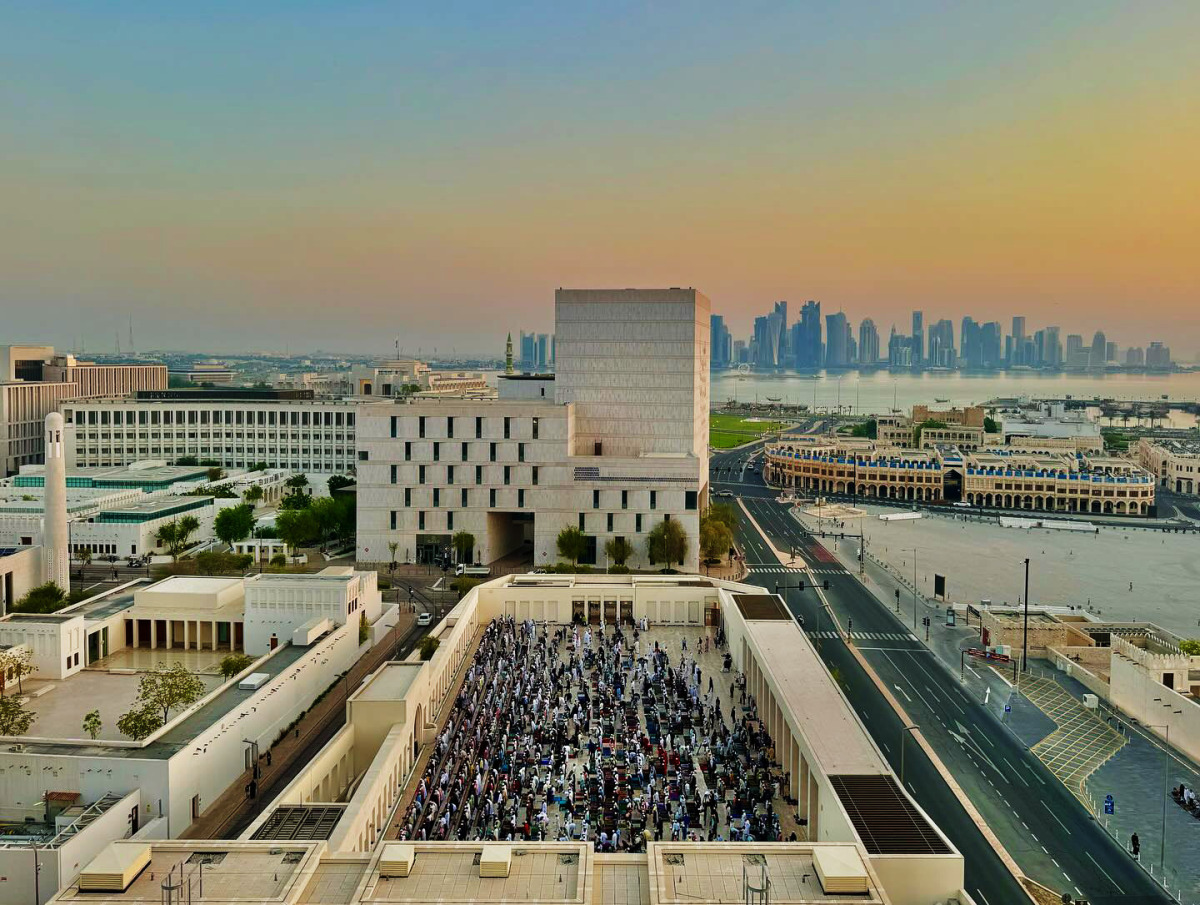
Doha, Qatar, is witnessing a remarkable transformation, particularly in its smart cities market. Recent projections indicate that the sector is expected to reach an impressive value of $10.9 billion (QR39.68 billion) by 2034. This growth, which represents a compound annual growth rate of 14.14% from 2026 to 2034, is largely attributed to the government’s unwavering dedication to digital innovation and sustainable urban growth.
Driving Factors Behind Market Growth
The sustained expansion of the smart cities market in Qatar is underpinned by strategic government investments in cutting-edge infrastructure and technology. Critical areas such as the Internet of Things (IoT) and integrated urban management platforms are at the forefront of this transformation, reshaping the way urban environments function. The IMARC Group’s report emphasizes that advancements in smart mobility solutions, energy-efficient building designs, and citizen-focused digital services are playing a vital role in strengthening the market’s foundation.
Another key driver in this space is smart transportation, which holds a significant market share of 34%. This is largely due to considerable government funding directed toward innovative traffic systems, the expansion of metro networks, and pilot projects for autonomous vehicles. Within this segment, traffic management systems lead the charge with a noteworthy 30% share, facilitated by a national drive to alleviate traffic congestion and enhance road safety using AI-driven analytics and real-time monitoring mechanisms.
Focus on Sustainability and Energy Efficiency
Sustainability remains a core component of Qatar’s smart cities initiative, strongly evident in the smart buildings and utilities sectors. Energy optimization in buildings accounts for a commanding 38% of the smart buildings market. This dominance can be attributed to the adherence to the Global Sustainability Assessment System (GSAS) certification, coupled with the implementation of sophisticated management systems aimed at achieving higher energy efficiency.
In the utilities sector, advanced metering infrastructure stands out as the most substantial segment, representing 42% of the market. This impressive figure is supported by national initiatives aimed at deploying smart meters to achieve complete coverage of electricity consumption. These advancements not only optimize energy usage but also pave the way for more informed and responsible consumption patterns among citizens.
Emergence of Citizen-Centric Services
Citizen-centric services are also undergoing a significant evolution, with smart healthcare emerging as a key player in this domain. The IMARC Group reports that healthcare services command a 29% share, largely due to the widespread adoption of telemedicine platforms, integration of electronic health records, and the deployment of AI-based diagnostic tools in public medical facilities. This focus on enhancing healthcare accessibility and quality has made it a crucial aspect of Qatar’s smart cities strategy.
The data indicates that Doha is the leading market, capturing a remarkable 46% share of the region. This dominance is strengthened by its concentration of government ministries, commercial headquarters, and landmark developments such as Msheireb Downtown Doha. As the city continues to grow and innovate, its role as a hub for smart city initiatives is expected to solidify further, establishing Qatar as a leader in sustainable urban development in the years to come.