
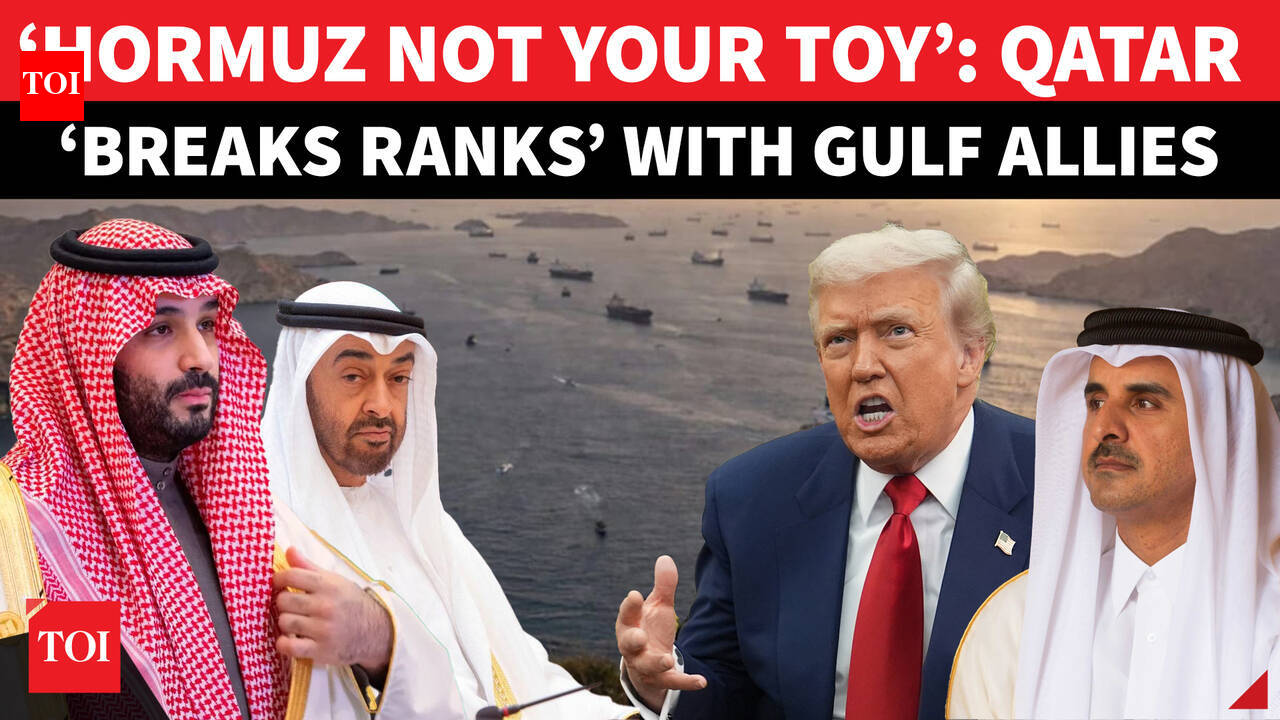
Donald Trump’s recent remarks regarding the U.S. involvement in Iran have sparked significant debate. The former president stated that America “shouldn’t have been in Iran” while also justifying military actions taken toward Tehran. This duality in his stance sheds light on the complexities surrounding U.S. foreign policy in the Middle East, particularly in relation to Iran.
Trump’s Critique of U.S. Engagement in Iran
In an interview with Fox News, Trump expressed his belief that U.S. operations in Iran were misguided from the outset. He drew parallels with the Iraq War, labeling it as a costly miscalculation that had lasting repercussions. This commentary taps into a broader critique of U.S. foreign interventions, questioning the efficacy and rationale behind military actions taken in the region. Trump’s perspective invites renewed scrutiny of America’s long-standing policies in the Middle East and the consequences of its military presence.
Defense of Military Actions Against Iran
Despite his criticism of U.S. involvement in Iran, Trump also took a defensive stance regarding the military actions against Tehran. He claimed these strikes were crucial in preventing Iran from developing nuclear capabilities. By framing the military response in this context, Trump aims to highlight the necessity of action when it comes to national security concerns. However, this defense raises questions about the balance between military intervention and diplomatic efforts to curb Iran’s nuclear ambitions.
Ongoing Tensions and Policy Implications
Trump’s reflections come at a time of heightened tensions between the U.S. and Iran, with debates surrounding American foreign policy in the region growing more pronounced. The former president’s comments challenge both supporters and critics of U.S. actions in the Middle East, forcing them to reconsider the implications of military strategies that have dominated discussions since the early 2000s. As the geopolitical landscape continues to evolve, Trump’s remarks could influence future discussions on how America engages with Iran and other nations in the region.
In a diplomatic context, the complexities of these relationships must be managed carefully, given the potential for escalation. Trump’s acknowledgment of the misguided nature of U.S. involvement in Iran serves as a reminder of the urgent need for re-evaluating strategies that have likely sparked ongoing conflicts. The balance between military deterrence and constructive diplomacy will be crucial moving forward, especially as the world grapples with the threat of nuclear proliferation.
In summary, Trump’s commentary sheds light on the complicated legacy of U.S. foreign policy in Iran. While he recognizes the flaws in past interventions, he simultaneously defends military actions taken under his leadership. This duality reveals the ongoing challenges faced by U.S. policymakers as they attempt to navigate a treacherous geopolitical landscape characterized by uncertainty and conflict. The discourse surrounding America’s role in Iran is far from settled, and Trump’s reflections may very well be a precursor to future debates on how best to engage with this critical region.