
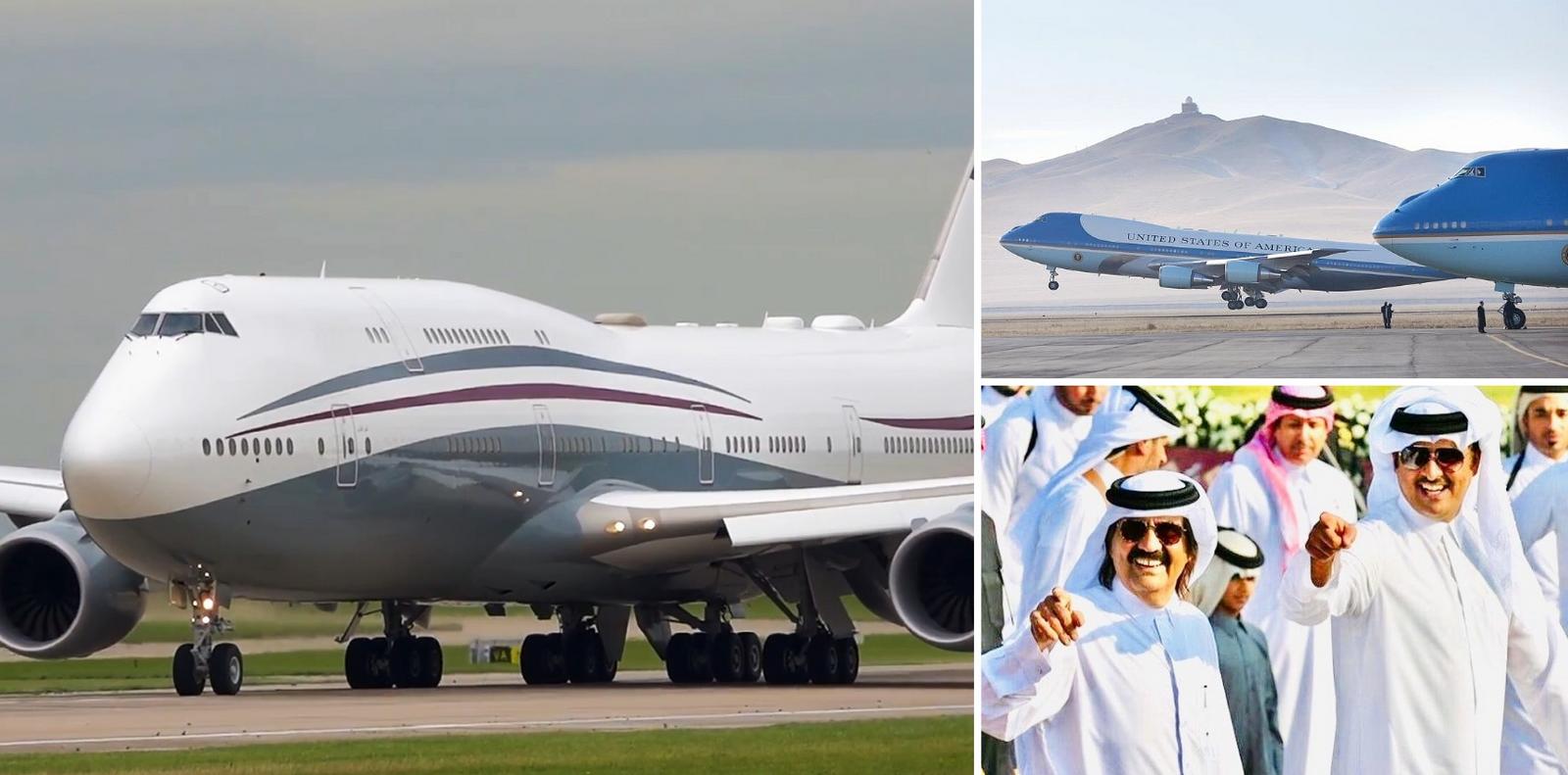
The landscape of presidential air travel in the United States is on the brink of a notable transformation. Shortly, there will be two distinct versions of Air Force One operating simultaneously. One will be responsible for fulfilling rigorous international presidential duties, while the other, an opulent domestic shuttle, will be based on a Boeing 747 previously owned by Qatar’s royal family. This unique situation illustrates the divergent paths of American presidential aviation.
The Transition to a New Aircraft
At the core of this transition is a Boeing 747-8, worth $400 million, which Qatar has donated to the United States as a temporary aircraft. This “bridge aircraft” aims to fill the gap as Boeing navigates through delays in the VC-25B replacement project. Anticipated to enter service around the Fourth of July—coinciding with America’s 250th Independence Day—this aircraft not only serves a practical purpose but also carries a narrative that seems more aligned with a Gulf monarchy than with traditional U.S. military procurement. The existing VC-25As, operational since 1990, are expected to remain in service until 2029, while the VC-25B replacements are projected to arrive in 2028.
A Luxurious Interior for Domestic Flights
Before its designation as a presidential transport, the Boeing 747-8 was known for its lavish interior, originally tailored for royal use. The aircraft boasts luxurious lounges, elegantly designed private suites, and expansive seating configurations adorned with fine wood finishes and quality carpets. In contrast to the utilitarian design of the current Air Force One jets, the Qatari aircraft was crafted prioritizing comfort and prestige, making it resemble a flying palace rather than a Cold War-era command center.
Despite modifications for U.S. Air Force use, the aircraft maintains an image of opulence rather than military utility. Such characteristics raise questions about the aircraft’s intended role. While it stands to replace capacities for domestic or lower-threat missions, the existing VC-25As will likely continue to manage more sensitive international travels, thus creating an odd dynamic in presidential aviation.
The Reliability of the VC-25As
The enduring presence of the VC-25As tells its own story. Initially launched in 1990 during President George H. W. Bush’s administration, these aircraft have played pivotal roles in American history. Tail number 28000 first served as Air Force One in September 1990, while tail number 29000 is forever linked to the events following the September 11 attacks. Despite their age, the VC-25As remain highly capable, equipped with secure communication systems, missile defenses, and in-flight refueling capabilities.
Moreover, the familiarity and operational wisdom accumulated over years of service give the VC-25As a robust advantage. In contrast, the newer Qatari aircraft has undergone limited modifications, focusing mainly on safety and secure communication rather than the full range of enhancements defining a modern Air Force One. This distinction may limit the new aircraft’s effectiveness in high-threat scenarios.
A Unique Presidential Aviation Era
As the U.S. prepares for this unusual arrangement in its presidential aviation, it’s clear that the Qatari 747 might primarily serve domestic or less risky missions. This setup would create an intriguing contrast; a sleek, modern jet that is more luxurious yet potentially less capable in critical situations than its older counterpart.
In wrapping up this paradoxical phase, while the Qatari 747 symbolizes a lavish addition to the presidential fleet, it will play a supplemental role until the upcoming VC-25Bs arrive. Until then, the old VC-25As remain the workhorse of presidential air travel, showcasing the balance between history, reliability, and modern luxury in American aviation.