
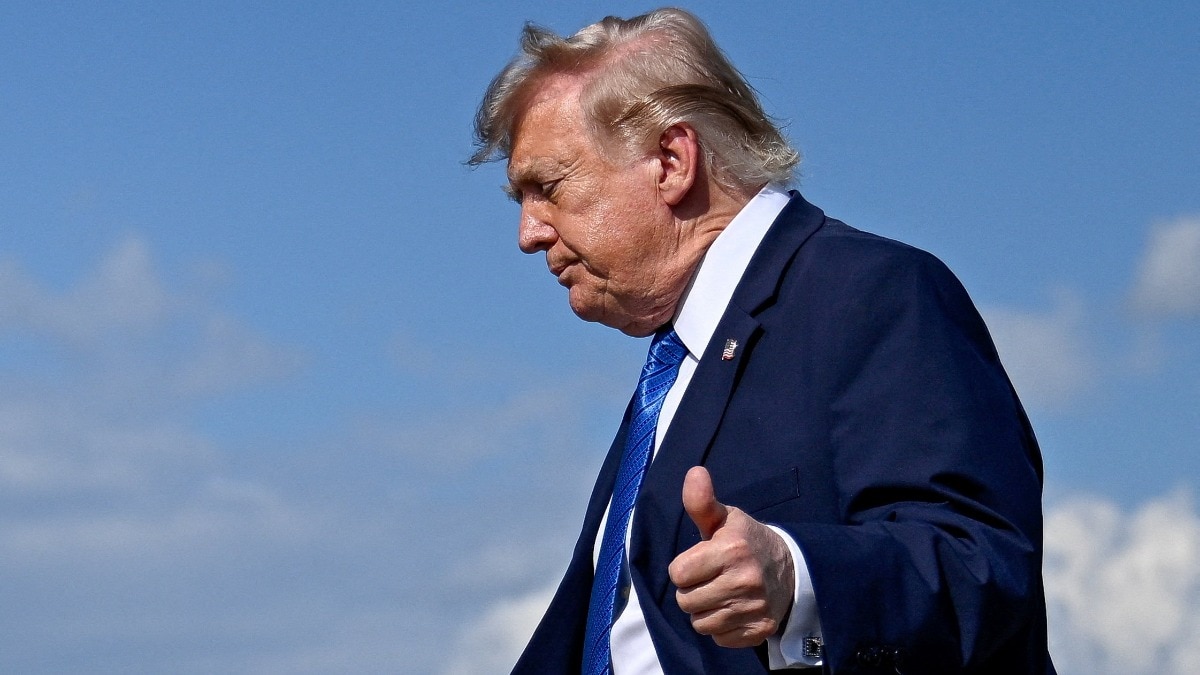
US President Donald Trump recently decided against initiating military strikes on Iran, a move that has eased escalating tensions between Washington and Tehran. The decision follows active mediation efforts from Gulf nations, particularly Qatar, which have made progress on proposals to reopen the strategically significant Strait of Hormuz. This development highlights the delicate balance between diplomacy and military action in the region.
Qatar’s Mediation Role in Strait of Hormuz
Qatar has positioned itself as a key mediator in negotiations between the United States and Iran. As reported, Qatari negotiators presented Iran with a revised plan aimed at reopening the Strait of Hormuz, a critical maritime corridor that facilitates approximately 20% of global oil transportation. Iranian diplomats responded favorably, indicating a potential shift toward compromise. However, the Iranian leadership’s final approval of the proposal remains uncertain.
The suggested plan seeks to implement new shipping regulations for vessels navigating the strait, which is flanked by Iran to the north and Oman to the south. Notably, Iran has previously demanded control over significant portions of both shipping lanes. Despite the optimism surrounding the proposal, it is unclear whether key issues, such as Iran’s request to impose tolls on passing vessels, have been adequately addressed. This demand faces strong opposition from Washington, complicating potential diplomatic resolutions.
Saudi Arabia’s Call for Dialogue
Saudi Arabia has been vocal in advocating for restraint and dialogue between the U.S. and Iran. Hours before Trump announced the cancellation of planned military actions, Crown Prince Mohammed bin Salman urged the U.S. President to pursue peaceful diplomatic solutions. Officials from the Saudi government conveyed that diplomatic engagement constitutes the most viable path to security and stability in the region.
Crown Prince Mohammed sought clearer communication from Washington regarding its long-term strategy toward Iran and its military intentions. Saudi authorities believe that these efforts could pave the way for meaningful diplomatic outcomes, preventing further conflicts that could destabilize the region and harm international security. Meanwhile, frustrations among Gulf states are on the rise, primarily due to perceived ambiguities in the U.S. approach to Iranian provocations, leading to requests for stronger defense assurances from Washington.
Diverse Approaches Among Gulf Allies
Despite collective diplomatic endeavors, Gulf states exhibit differing strategies regarding Iran. Saudi Arabia leans toward de-escalation, while the United Arab Emirates appears to advocate for a more robust military stance from the U.S. Emirati leaders argue that Iran’s Islamic Revolutionary Guard Corps (IRGC) is unlikely to yield without intensified military pressure, potentially involving direct actions to control the Strait of Hormuz.
Simultaneously, Iranian Foreign Minister Abbas Araghchi issued warnings to Saudi Arabia, Turkey, and Pakistan about potential consequences should the U.S. or Israel engage militarily. Araghchi’s statements underscore the precariousness of the situation and Tehran’s readiness to respond forcefully to perceived threats.
The Diplomatic Balancing Act
Trump’s inclination toward diplomatic solutions is shaped by growing domestic political pressures. Many American voters express wariness regarding prolonged conflicts with Iran, which poses risks to Republican prospects in the approaching midterm elections. Iranian officials recognize Trump’s domestic challenges and may leverage this understanding if negotiations falter.
Moreover, there have been indications that the IRGC is contemplating preemptive military responses if diplomatic efforts fail, irrespective of U.S. actions. Previously, Israel’s influence in promoting military responses was stronger, but it seems Gulf states are gaining more sway over U.S. decision-making as they endeavor to avert a larger conflict in the region.
In summary, while the return to diplomacy presents an opportunity for resolving tensions, the complexities inherent in these negotiations, from regional alliances to domestic political considerations, create a challenging environment for achieving lasting peace.