
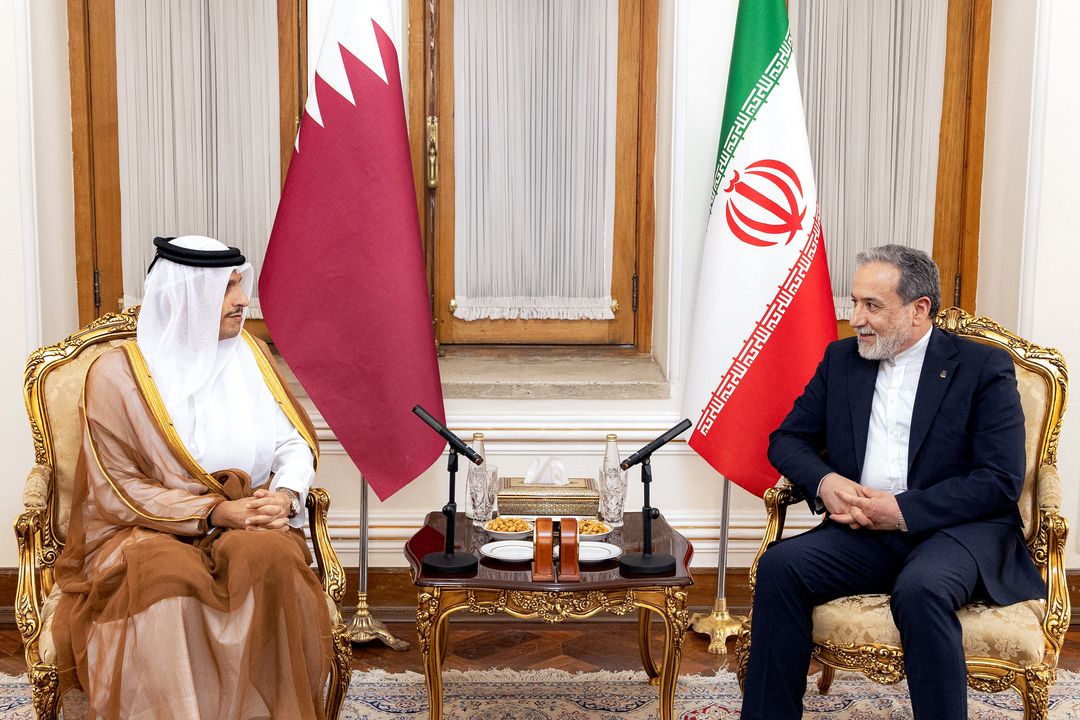
Iran’s diplomatic landscape is undergoing significant changes as key officials engage in discussions aimed at regional stability. Recently, Qatar’s Foreign Minister, Mohammed bin Abdulrahman Al Thani, visited Tehran for important talks regarding the Strait of Hormuz, a strategically crucial waterway for global trade.
Recent Diplomatic Engagements
The meeting in Tehran is just one of many that have occurred in a week marked by intense diplomatic activity. Al Thani’s visit followed discussions with senior officials from both Oman and Pakistan, centered on efforts to alleviate tensions resulting from ongoing conflicts in the Middle East. The focus has been on ways to restore peace and reopen the Strait of Hormuz, which is vital for the transit of oil and gas.
These talks are particularly significant, given the backdrop of increasing pressure from Washington. The United States has signaled its intent to implement broader secondary sanctions against entities—governments, banks, and companies—that continue to engage in business with Iran, part of a strategy described as “economic asphyxiation.” The implications of these sanctions could further complicate diplomatic efforts in the region.
Key Discussions on De-escalation
During his meeting with Iranian Foreign Minister Abbas Araghchi, details about their discussions were notably scarce. However, the Qatari foreign ministry later revealed that the talks included vital topics such as de-escalation strategies and the Hormuz framework proposal between Iran and Oman. Al Thani highlighted the importance of respecting the sovereignty of neighboring nations and the significance of maintaining safe passage for maritime navigation. He also advocated for ongoing dialogue to address mutual concerns.
Qatar has been a notable player in regional diplomacy, particularly in facilitating negotiations aimed at achieving a ceasefire and a diplomatic framework between Iran and the United States. Earlier this year, both Qatar and Pakistan were integral in securing an April ceasefire and a June agreement; however, these agreements have since faced challenges and ultimately collapsed.
Impacts of the Ongoing ‘Economic War’
The tensions have escalated significantly since the onset of conflict with the United States on February 28, leading to Iran exerting strict control over the Strait of Hormuz. This critical conduit for international energy resources is now subject to a naval counter-blockade imposed by the US on Iranian ports. The economic implications for Iran have been severe, as highlighted by Vice President Mohammad Jafar Ghaempanah. He recently stated that the blockade has limited Iran’s ability to import enough fuel to compensate for the shortfall in domestic production, exacerbating the country’s energy crisis.
As diplomatic efforts continue, the situation in the region remains fluid and complex. The involvement of nations like Qatar and Oman in mediating discussions emphasizes the importance of regional partnerships in navigating crises. The future of these discussions will likely dictate not only the trajectory of Iran’s relationships with its neighbors but also the broader dynamics of Middle Eastern stability and energy security.