
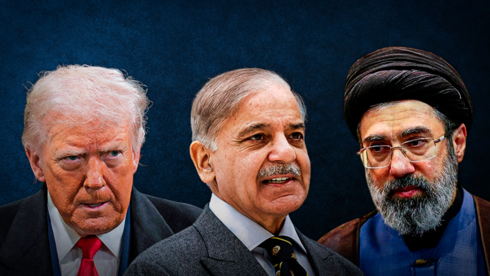
Former U.S. President Donald Trump declared that the United States has finalized a significant agreement with Iran, leading to the reopening of the vital Strait of Hormuz. This move also includes lifting a naval blockade that had been in place. Trump’s announcement came in a post on Truth Social, where he expressed congratulations on the completion of the deal.
Details of the Agreement
Trump emphasized that he had “fully” authorized the reopening of the Strait of Hormuz, an essential global shipping route for oil. His statement encouraged international shipping, saying, “Ships of the world, start your engines. Let the oil flow!” The agreement is expected to foster economic activity in a region long troubled by military tensions. Pakistani Prime Minister Shehbaz Sharif indicated that the agreement would not only halt military operations in various regions, including Lebanon, but also set the stage for an official signing in Switzerland on June 19.
Negotiations and Reactions
Mediators are set to facilitate a series of discussions leading up to the signing, providing a framework for technical dialogues surrounding the deal. The atmosphere around the agreement appears tense, as diplomatic sources claim that Qatari mediators remain in Tehran to ensure that negotiations between the U.S. and Iran stay on track. These mediators arrived with the intent to finalize the terms of the agreement, although Iranian state media suggested that Tehran had not yet fully committed to the terms being discussed.
Trump’s strategy in the midst of this delicate situation has raised eyebrows. He has aimed to create barriers preventing Iran from acquiring nuclear weapons, asserting that the current agreement offers a stronger framework than the previous deal established under Barack Obama. In a pointed message directed at criticisms made by Democratic Senator Jack Reed, Trump described the former Iran deal as disastrous and positioned the latest agreement as a significant improvement.
Potential Consequences of Iranian Actions
Further complicating matters, Iranian officials have issued warnings regarding their military readiness, signaling a willingness to retaliate should they perceive military aggression from Israel. Trump has cautioned that any actions leading to escalating conflict would put Iran squarely at fault. As tensions rise, Israeli officials expressed concern that the deal could restrict their military actions in the region, particularly regarding operations against Hezbollah.
The backdrop of the agreement is rife with complexities, with Iranian officials accusing the U.S. of enabling Israeli military operations in Lebanon. Amid these tensions, discussions about U.S. incentives to Iran are ongoing. The immediate question remains: Will Iran accept the U.S. terms and hold its military strikes, or proceed with their threatened missile launches, which could initiate further Israeli responses and jeopardize ongoing diplomatic efforts? The future of this delicate peace process hinges on the choices made by both countries in the coming days.