
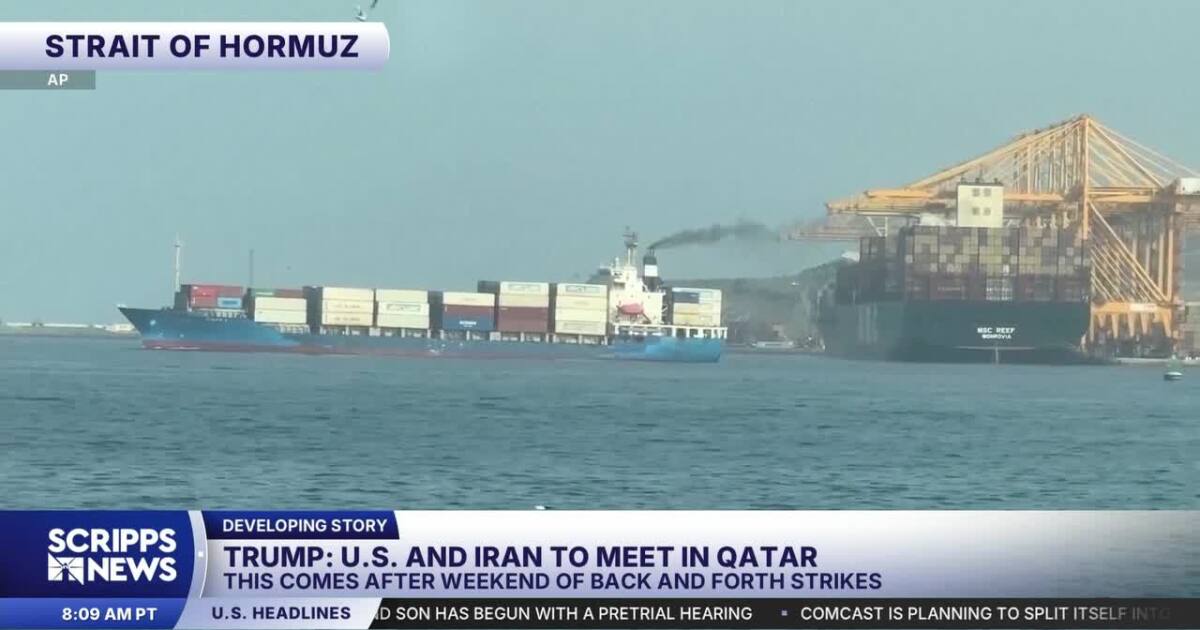
Former President Trump recently claimed that Iran has sought to initiate ceasefire discussions in Doha. However, Iranian representatives have promptly refuted this assertion, stating that no meeting has been arranged. This announcement has sparked discussions around the geopolitical implications of such a dialogue.
The Context of Trump’s Statement
In the past, Trump has taken a firm stance against Iran, particularly concerning its nuclear program and influence in the Middle East. His recent comments suggest a shift in tone, highlighting a potential opening for diplomatic engagement. This declaration of Iran’s interest in ceasefire talks raises questions about the underlying motivations driving both countries. With a turbulent history, any attempt at dialogue signifies a significant shift in the region’s dynamics.
Iran’s Official Response
Iranian officials have quickly dismissed Trump’s claims, indicating that no talks are currently on the agenda. This denial could highlight the complexities of international negotiations, wherein political statements may serve specific interests. The urge to deny such assertions may be linked to internal and external pressure, showcasing Iran’s careful maneuvering amid global scrutiny.
Implications for Future Relations
The contrasting narratives from Trump and Iranian officials reveal the challenges facing both countries if they genuinely wish to engage in productive dialogue. For the Trump administration, the claim offers an opportunity to portray itself as a facilitator of peace in a region known for conflicts. Conversely, Iran’s repudiation signals a need to maintain a robust front in the face of external pressures. The nuances of such communication underscore a broader theme in international relations—perception and reality often diverge significantly.
The Bigger Picture in Middle Eastern Politics
This exchange between Trump and Tehran may play a crucial role in shaping the future of Middle Eastern politics. As both entities navigate their complex relationships with neighboring countries and global powers, dialogue—or the lack thereof—will impact regional stability. If credible talks were to commence, they could redefine alliances and enmities in a region long characterized by tension. However, if misunderstandings continue to proliferate, the likelihood of escalation only increases.
In conclusion, while Trump’s remarks about potential ceasefire talks could signify an opportunity for diplomacy, Iran’s quick denial emphasizes the intricate nature of political communication on the global stage. As both countries grapple with their international images and internal pressures, the possibility for future dialogues remains uncertain. Thus, remaining vigilant and discerning in navigating these discussions is essential.