
In a rapidly shifting geopolitical landscape, tensions in the Middle East have reached a new peak, culminating in significant diplomatic challenges for the United States and Iran. The anticipated peace talks set to occur in Switzerland on Friday were abruptly canceled due to escalated violence between Israel and Hezbollah. This development raises critical concerns about the future of peace negotiations in the region and the stability of global energy prices.
Renewal of Ceasefire Amidst Rising Violence
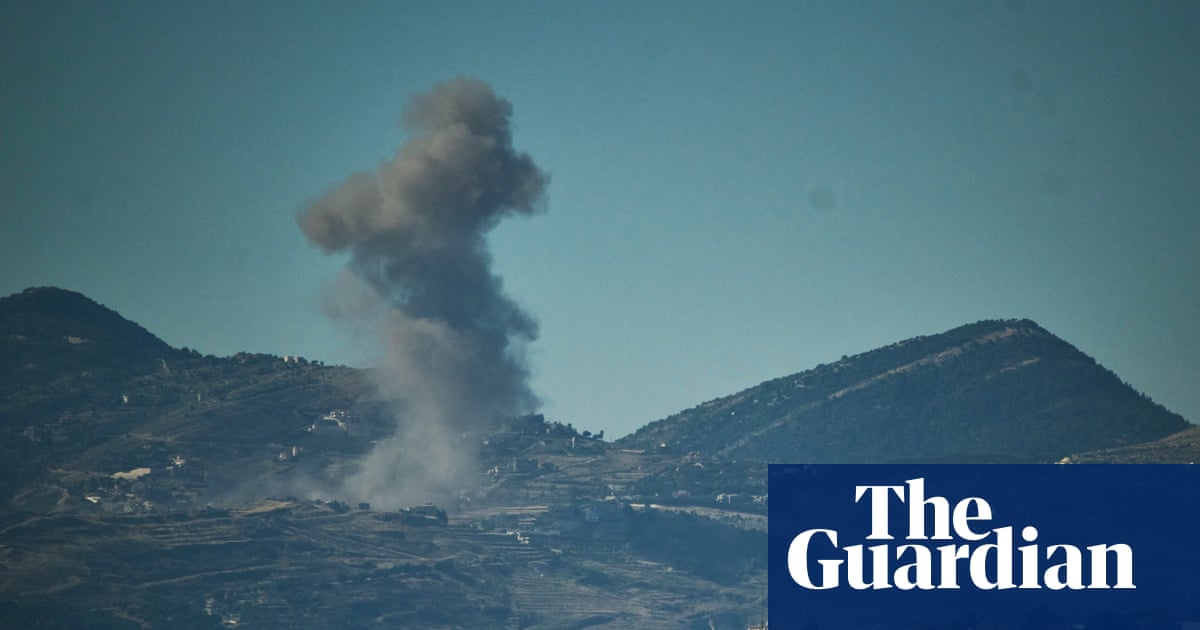
Israel and Hezbollah have decided to renew their fragile ceasefire following a violent 24-hour conflict that underscored the precarious situation surrounding upcoming peace negotiations. The planned meeting in Switzerland, which aimed to implement a new agreement between Washington and Tehran, was derailed after Hezbollah’s attack, resulting in the deaths of four Israeli soldiers. Israel’s retaliation through airstrikes led to significant casualties, with reports indicating at least 47 fatalities in southern Lebanon and the Bekaa Valley. The escalating violence not only jeopardizes the ceasefire but also complicates the diplomatic endeavors that are seen as essential for regional peace.
Canceled U.S.-Iran Talks Impact Broader Diplomacy
The cancellation of U.S.-Iran discussions signifies a troubling setback for American diplomatic efforts in the Middle East. Just as a major memorandum was signed to initiate negotiations surrounding Iran’s nuclear program and maritime security, the violence prompted a swift response from the White House. U.S. Vice President JD Vance, expected to lead the peace negotiations, was ordered not to travel to Switzerland, further illustrating the turbulence in the diplomatic arena. The window that was opened for a 60-day negotiation period over pressing issues is now in jeopardy, raising questions about the potential for any meaningful progress.
Domestic Reaction and Political Ramifications
President Donald Trump finds himself in a complex position as he defends the peace deal with Iran amidst mounting criticism from various political allies and opposition members. Many question whether his administration has made excessive concessions in pursuit of an unpopular war termination before the upcoming midterm elections. Trump took to social media to assert, “The War has diminished Iran!” emphasizing that any negotiations were driven by Iranian desperation rather than American needs. His steadfast approach, however, does little to quell concerns about rising oil prices and stability in global markets exacerbated by tensions in the region.
Broader Implications for U.S. Foreign Policy
As the international community watches closely, the implications of the U.S.-Iran diplomatic fallout extend beyond regional conflicts. Former President Barack Obama has voiced strong concerns, asserting that after weeks of military engagement, the U.S. finds itself situation worse off than before the conflict began. The cumulative financial strain, loss of life, and international instability raise significant questions about the long-term viability of military interventions as solutions to complex geopolitical issues. The overarching narrative of American military involvement in the Middle East is increasingly under scrutiny, suggesting a need for a renewed approach that emphasizes diplomacy over confrontation.
In conclusion, the renewed ceasefire between Israel and Hezbollah offers a temporary reprieve but indicates the severity of ongoing tensions in the Middle East. With U.S.-Iran talks on hold and political pressure mounting domestically, the path forward remains uncertain. As regional stability hangs in the balance, the need for comprehensive diplomatic solutions has never been more urgent. This complex situation will require careful navigation to avoid further escalation and economic ramifications on a global scale.