
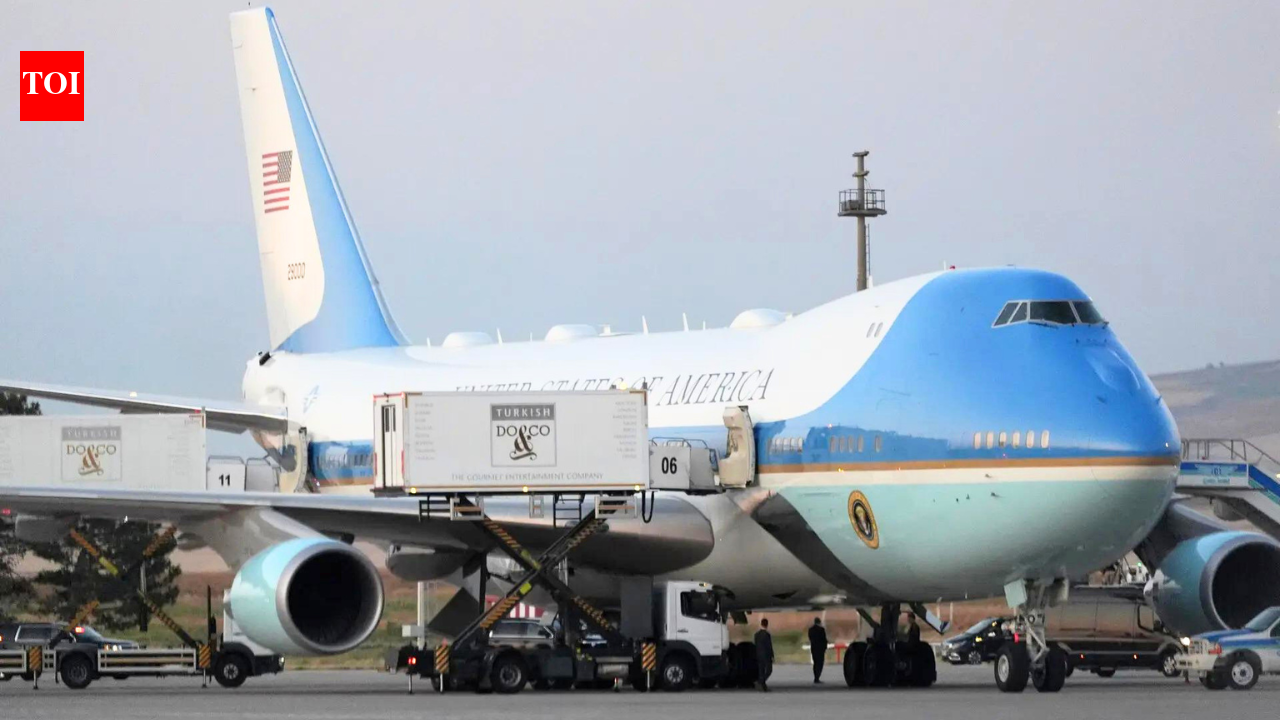
Turkey has recently undertaken a substantial reconstruction project, dedicating eight months and over $120 million to transform a former military airbase into an airport capable of accommodating one of the largest passenger aircraft in the world, the Boeing 747-8. This aircraft, generously gifted by Qatar to the United States, is expected to serve as a temporary presidential plane while the construction of the delayed VC-25B Air Force One progresses. The ambitious upgrades at Etimesgut Airport in Ankara were necessary ahead of significant international events, notably the upcoming 2026 NATO summit.
Revamping Etimesgut for the Boeing 747-8
The transformation of Etimesgut Airport was not a minor endeavor; it was crucial to meet the stringent demands of the massive Boeing 747-8. This aircraft is notably larger than the older models currently designated as Air Force One, necessitating extensive modifications. Engineers had to expand and enhance various aspects of the airport, including the runway, taxiways, and navigation systems, to ensure the aircraft could land and take off safely. These upgrades reflect how a single aircraft can dictate the engineering requirements of an airport, highlighting the complexities involved in accommodating such large vessels.
The revamped airport is now set to serve as a vital gateway for diplomatic travels, complementing Ankara’s existing Esenboğa Airport. Given the Boeing 747-8’s unique dimensions, conventional airports often lack the necessary infrastructure to handle aircraft of this scale. This is critical, as navigating the enormous size and weight of the 747-8 requires careful planning around runway dimensions and ground movement clearances.
Engineering Challenges of the Boeing 747-8
As the largest commercial aircraft Boeing has ever constructed, the Boeing 747-8 faces specific operational challenges due to its substantial size. Stretching over 76 meters in length with a remarkable wingspan of 68.4 meters, this aircraft significantly exceeds the dimensions of the 747-200B models currently used as Air Force One. At maximum takeoff weight, it tips the scale at approximately 442 tons, making it Boeing’s heaviest passenger aircraft. This data illustrates the necessity of meeting ICAO Aerodrome Reference Code F standards. Many airports fall within Category E, which are insufficient for accommodating the 747-8’s greater needs.
To facilitate this sizable aircraft, engineers had to extend the runway from 2,450 meters to 3,000 meters, ensuring a safe operational environment. Additionally, they increased the runway width from 42 to 60 meters, enhancing compliance with Category F standards. This extra space is crucial for the safe alignment of aircraft during takeoff and landing, as well as for avoiding unnecessary risks involving nearby infrastructure.
Strategic Importance of Ankara’s Airport Enhancements
Elevated at around 808 meters above sea level, Ankara’s unique geographical conditions demand careful consideration for aircraft operations. The thinner air at this height, combined with summer temperatures that further reduce air density, poses challenges for aircraft performance. Larger aircraft, like the Boeing 747-8, require longer distances to accelerate for takeoff. In these circumstances, having an extended runway provides not only operational advantages but also an enhanced safety margin, particularly for flights requiring substantial fuel reserves.
Ultimately, the airport upgrades go beyond mere runway modifications; they encompass comprehensive developments in navigation systems, lighting, and protocols for accommodating high-level visitors. This transformation positions Etimesgut Airport as a modern hub for diplomatic aviation, capable of managing the complexities of international events while ensuring the safe passage of one of the world’s largest aircraft. Overall, this significant initiative underscores Turkey’s commitment to becoming a vital player in global diplomatic relations, specifically through enhanced aviation capabilities.