
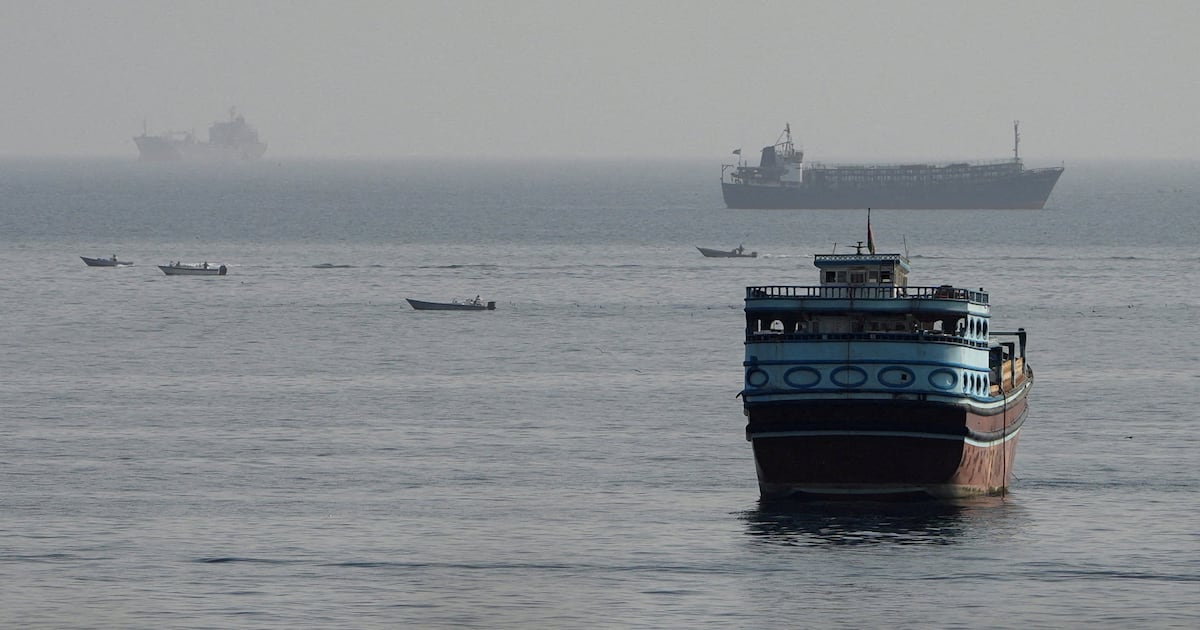
The United Arab Emirates (UAE) has strongly condemned a missile strike by Iran on one of its oil tankers, managed by the Abu Dhabi National Oil Company (ADNOC), while it was navigating through the crucial Strait of Hormuz early Saturday morning. Thankfully, there were no reported injuries from this aggressive act.
UAE’s Official Response to the Attack
The UAE’s Foreign Ministry characterized the missile attack as a direct violation of Security Council Resolution 2817. This resolution emphasizes the importance of freedom of navigation and condemns any actions targeting commercial vessels or disrupting international maritime routes. In their official statement, the Ministry demanded that Iran halt these aggressive hostilities and urged for the unconditional reopening of the Strait of Hormuz, a key waterway for global oil transportation.
Details of the Attack on ADNOC Vessel
According to ADNOC, this incident marks the 16th attack on one of its vessels since the onset of military conflict on February 28. Early reports indicated that the attack occurred in the early hours of Saturday, but ADNOC assured that the situation was under control. While specific information regarding the tanker, its cargo, and any potential damage remains undisclosed, the frequency of these attacks raises significant concerns over maritime safety in the region.
Regional Condemnation of Iranian Actions
Qatar’s Foreign Ministry has also expressed disapproval of the missile strike, emphasizing the need to prevent the Strait of Hormuz from being used as leverage in conflicts. They reiterated their call for the immediate and unconditional reopening of this strategic waterway. Qatar condemned the “unjustified Iranian attacks” and expressed solidarity with the UAE, highlighting the growing regional concern over Iran’s continued aggression.
The Strategic Importance of the Strait of Hormuz
Before the war, approximately one-fifth of the world’s oil and gas transactions passed through the Strait of Hormuz. However, since the conflict, Iran has taken measures to militarize and mine the strait, severely restricting access. The Islamic Revolutionary Guard Corps has stated that any discussions around reopening this vital shipping lane will be contingent upon the United States conceding to specific Iranian demands, indicating a sense of tension and future negotiations.
The Iranian Foreign Minister, Abbas Araghchi, has noted a potential legal framework for the Strait’s reopening in coordination with Oman, yet emphasized that any progress hinges on the U.S. making amends for perceived prior breaches. He remarked that the existing Traffic Separation Scheme was no longer acceptable, and proposals for a new maritime route are currently under consideration.
As regional and global stakeholders assess the implications of these incidents, the situation remains fluid. The growing frequency of attacks on commercial vessels in the Strait emphasizes the urgent need for diplomatic solutions to restore security and ensure the free movement of goods through this essential maritime corridor.