
US and Qatari officials have reported advancements in efforts to restore a ceasefire in the ongoing US-Iran conflict while also aiming to reopen the strategic Strait of Hormuz. This optimistic outlook was noted recently, resulting in a slight decline in oil prices. However, the strait remains closed to maritime activity, and reports indicate that a cargo vessel was hit by an unidentified projectile near Oman, close to this crucial shipping lane.
Recent Developments in Maritime Security
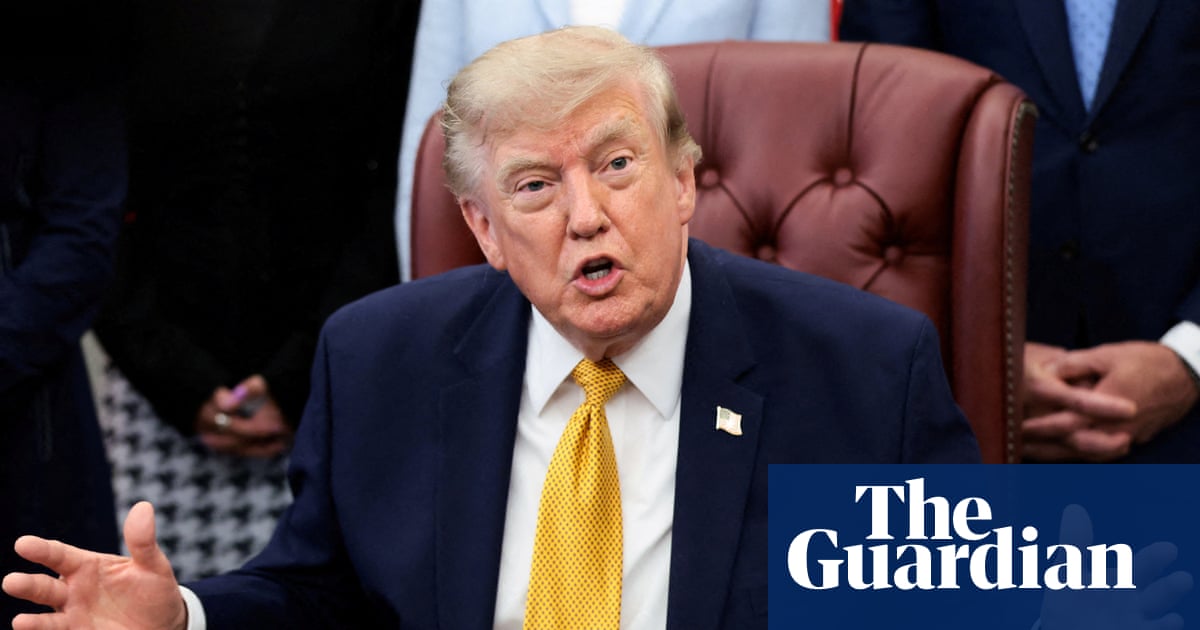
Britain’s maritime security agency, UKMTO, confirmed the incident involving the cargo vessel but did not disclose its identity. Scott Bessent, the US Treasury Secretary, mentioned that negotiations are ongoing, expressing optimism that a deal could be reached soon to reopen the Strait and reduce tensions. His comments align with similar statements made by former President Donald Trump, who hinted at an imminent breakthrough, though Iran quickly refuted claims of direct negotiations with the US.
Efforts to resolve the conflict are being facilitated by Qatari and Pakistani mediators, who are in discussions with both sides. They aim to fill the gaps and restore the ceasefire agreement that was previously established in June. This memorandum of understanding (MoU) highlights the importance of the Strait of Hormuz, which facilitates the transportation of a significant portion of the world’s oil and liquefied natural gas.
Efforts by Qatar and Pakistan
Majed al-Ansari, spokesperson for Qatar’s foreign ministry, indicated that the mediators are working closely, exchanging proposals between Washington and Tehran. He emphasized that the diplomatic efforts have reached a promising stage. A senior official from Pakistan also noted that negotiations are ongoing, underscoring the mediators’ goal of fostering dialogue between both parties.
Despite these mediation efforts, the primary negotiations have primarily focused on Iran and Oman discussing a temporary transit scheme. The aim would be to allow maritime traffic in and out of the Gulf without requiring Iranian approval, which led to tensions in July. The effectiveness and permanence of such arrangements remain contentious, particularly concerning Iran’s demand for transit fees.
Complications in the Negotiation Process
Regional diplomats have observed that Oman is facing pressure from the US, European nations, and Saudi Arabia to accept this temporary arrangement. The system would permit ships to navigate through the Strait while maintaining a controlled route jointly with Iran. A critical concern continues to be Iran’s demand for tolls or other fees from transiting vessels, a matter that will be part of a 60-day negotiation process along with discussions on Iran’s nuclear activities.
Reports indicate that while there are signs of positive engagement between Iran and Oman, divisions persist within Tehran. The Iranian foreign ministry seems eager for an agreement, fearing that prolonged control over the Strait may diminish as maritime traffic seeks alternative routes. Conversely, hardliners within the regime are skeptical of entering negotiations with the US, citing mistrust regarding financial concessions.
The ongoing geopolitical maneuvers are fraught with complexities, exacerbated by fears of escalating tensions within the region. As various factions in Iran express divergent views on diplomatic engagement, questions loom about the stability of proposed agreements. Observers, including regional diplomats, note the urgent pressure from Saudi Arabia, particularly amid concerns that a refusal to negotiate could lead to broader conflicts.