
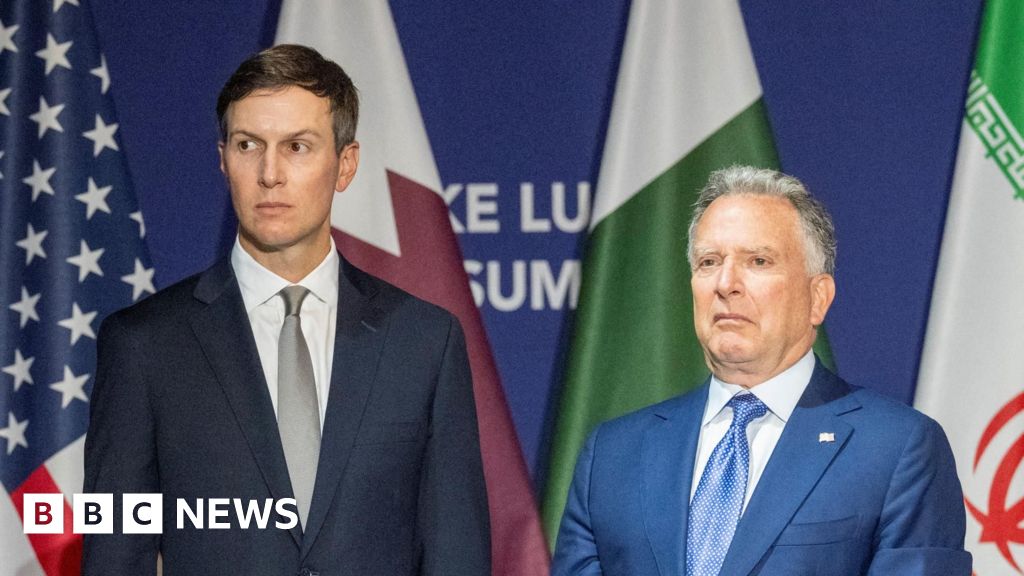
The current geopolitical landscape reflects a tense relationship between the United States and Iran, marked by a lack of direct communication. Recent statements from Qatar’s foreign ministry have shed light on this situation, indicating that there are currently no planned high-level meetings or discussions between the two nations.
Current Status of US-Iran Relations
The dynamics of US-Iran relations have been tumultuous for decades, characterized by periods of both extreme hostility and cautious engagement. Recently, the absence of direct talks has renewed concerns about escalation and misunderstandings between the countries. Diplomatic relations have remained strained since the US withdrawal from the Joint Comprehensive Plan of Action (JCPOA) in 2018, which was an agreement aimed at regulating Iran’s nuclear program. The lack of dialogue raises questions about how each nation perceives its security interests and regional influence.
Role of Qatar in Mediating Communications
Qatar has emerged as a key player in facilitating dialogue within the complicated web of Middle Eastern politics. The small Gulf nation often acts as a mediator, striving to bridge gaps between conflicting parties. Despite its diplomatic efforts, the recent announcement from Qatar’s foreign ministry implies a significant setback in potential mediating talks between the US and Iran. Without an open channel for discussion, both nations risk further alienation from each other, which could have implications for regional stability and international security.
The Implications of No Direct Communication
The absence of high-level discussions creates an environment ripe for misinterpretation and increased tensions. When nations refuse to engage in direct dialogue, misunderstandings can escalate, leading to unexpected conflicts. With ongoing issues such as Iran’s nuclear ambitions and its influence across the Middle East, the stagnation in conversation could worsen conditions, risking both sides’ interests. Furthermore, the lack of communication limits the opportunity for both countries to negotiate compromises, which could prevent conflict and promote a more stable relationship.
Looking Ahead: Prospects for Future Dialogue
As the geopolitical landscape evolves, the potential for future dialogue between the US and Iran remains uncertain. While frayed relations present significant challenges, they also underscore the necessity for re-engagement. Experts suggest that establishing backdoor channels or informal conversations could pave the way for a formal dialogue. For any progress to occur, both nations must recognize the mutual benefits of returning to the negotiating table. Only time will tell whether a renewed commitment to diplomacy will emerge from the current impasse.
In summary, the current state of affairs between the US and Iran reflects a complex and precarious situation without direct communication. Qatar’s remarks highlight the ongoing diplomatic challenges. The implications of this lack of high-level meetings emphasize the urgent need for both nations to reconsider their approach to dialogue, ultimately revealing the critical importance of communication in ensuring both regional and global stability.