
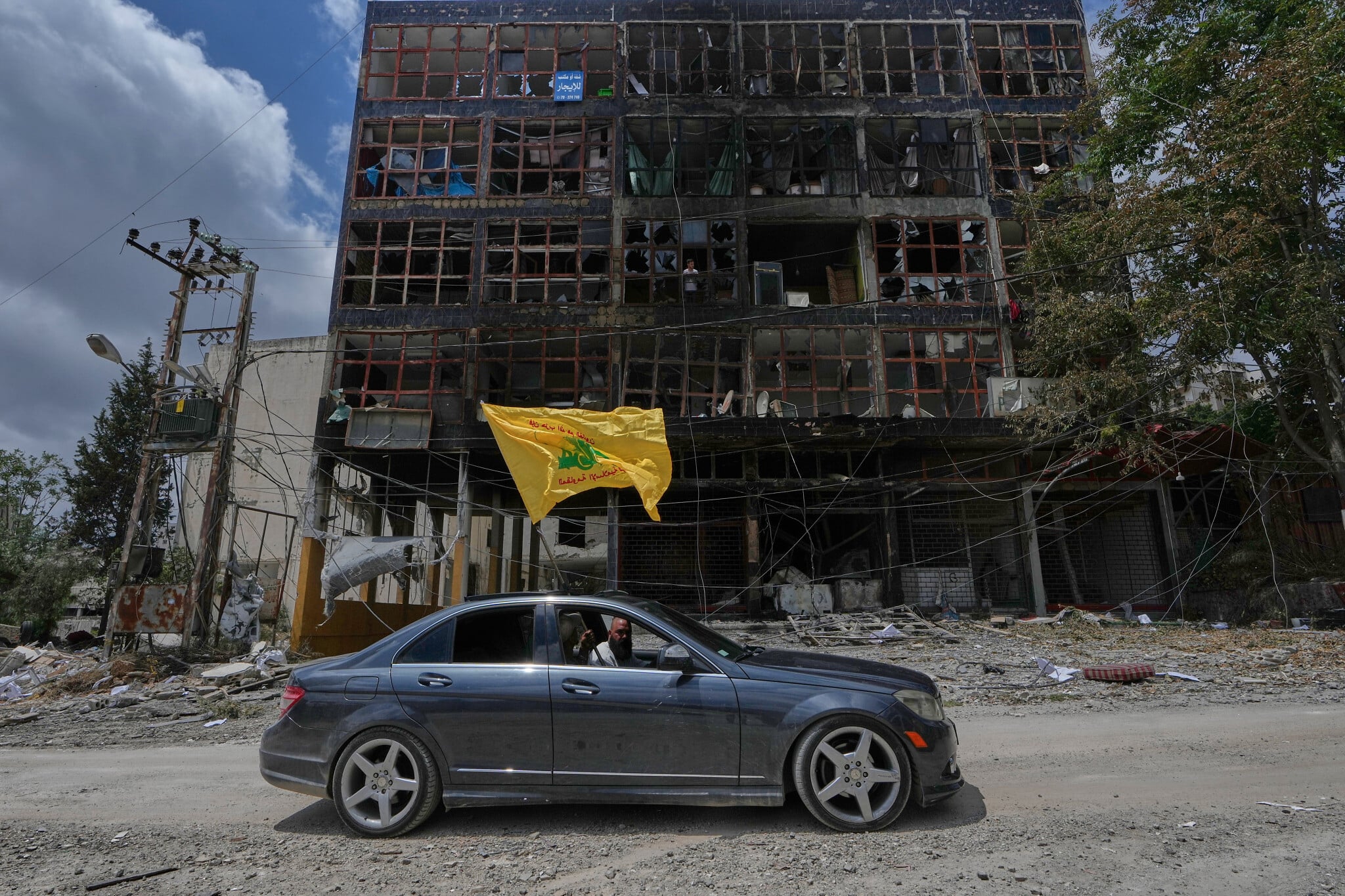
In a recent framework established during U.S.-Iran negotiations, a new deconfliction mechanism for Lebanon has been proposed. This development restricts Israeli military actions to only address “imminent threats,” foregoing broader responses to potential risks. This report, emerging from Channel 12, follows comments from U.S. Vice President JD Vance, who hinted at the establishment of this mechanism during talks held in Burgenstock, Switzerland.
Exclusion of Israel and Inclusion of Hezbollah
The negotiations aim to anchor Hezbollah in discussions concerning Lebanon’s future, a move that contrasts sharply with Israel’s and the Lebanese government’s desire to exclude the militant group. Both nations prefer to keep Hezbollah—and by extension, its Iranian supporters—out of any agreements that could shape Lebanese policy. This underscores the delicate nature of regional politics, where the inclusion of Hezbollah could lead to heightened tensions.
In light of this shifting dynamic, the Israeli Defense Forces (IDF) have been urging political leaders to engage more proactively with Lebanon to defuse pressure from Washington. As the U.S. continues to exert influence in the region, Israeli leadership faces increasing urgency to reevaluate their strategies. The upcoming Israel-Lebanon discussions scheduled for June 23 will be pivotal in determining the trajectory of these negotiations.
Lebanese Government’s Stance on Foreign Influence
Lebanese President Joseph Aoun has emphasized the necessity of negotiating independently, expressing a strong preference for excluding Hezbollah and Iranian interests from discussions with Israel. He declared, “We negotiate for ourselves, and we do not accept any other party doing so for us,” advocating for a Lebanese-centric approach to the fragile peace process. Aoun’s comments reflect a broader sentiment in Lebanon, highlighting the country’s desire to maintain sovereignty amidst international pressures.
The original monitoring framework linked to the 2024 ceasefire included a coalition of nations, such as Israel, Lebanon, the U.S., France, and the United Nations. However, the proposed changes appear to shift oversight to a group that includes the U.S., Iran, Lebanon, Qatar, and Pakistan—exiling Israel from a crucial part of the mechanism. This exclusion raises questions about Israel’s influence in ensuring its national security while engaging in dialogue with its neighbors.
Israel’s Growing Concerns and Military Strategy
In response to these developments, Israeli Prime Minister Benjamin Netanyahu reaffirmed the military’s operational freedom in Lebanon. He stated that Israeli forces would retain the ability to combat both “direct and emerging threats.” The Prime Minister’s assertion indicates that, despite diplomatic shifts, Israel remains committed to protecting its territorial integrity and the safety of its citizens.
Reports suggest that Netanyahu is alarmed by the potential limitations this new mechanism could impose on Israel’s military strategy. Engaging trusted officials, Netanyahu is reportedly working to safeguard Israel’s interests. His administration has faced scrutiny regarding the ongoing IDF presence in Lebanon, which some interpret as a violation of U.S.-Iran agreements. This persistent military footprint complicates Israel’s diplomatic efforts and has led to a precarious balancing act.
In conclusion, the recent initiatives outlined in the deconfliction mechanism present significant implications for Lebanon’s future, regional security, and Israel’s military strategy. The exclusion of Israel and the integration of Hezbollah into discussions complicate an already intricate situation, demanding heightened diplomatic engagement from all parties involved. As geopolitical dynamics continue to evolve, the importance of direct negotiations cannot be overstated—a reality that both nations must navigate carefully.