
Negotiations between the United States and Iran have resumed, showcasing a glimmer of hope as mediators from Qatar and Pakistan facilitate discussions. Both sides have expressed optimism about the progress made, with plans for future meetings already in motion following a significant event: the funeral of Iran’s former supreme leader, Ayatollah Ali Khamenei. These talks hold immense geopolitical importance, particularly concerning the stability of the Strait of Hormuz, a vital maritime corridor for global oil and gas shipments.
Recent Developments in U.S.-Iran Talks
The latest session involved key U.S. figures, including Middle East envoy Steve Witkoff and Jared Kushner, in talks with Iran’s lead negotiator, Kazem Gharibabadi. The objective of these discussions is to establish a comprehensive end to hostilities and pave the way for a permanent resolution. Although progress is being made, significant hurdles remain, especially regarding maritime regulations and regional conflicts, notably the situation in Lebanon and the strategic corridor at the Strait of Hormuz.
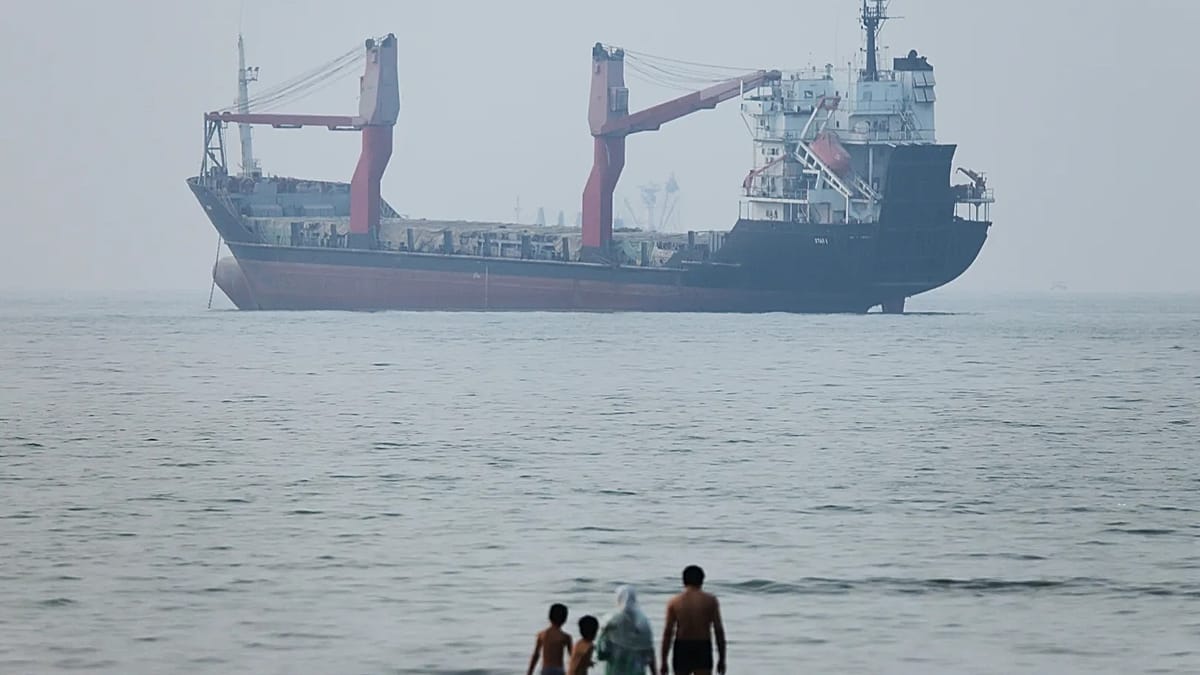
Interestingly, the fragility of the discussions was recently underscored by an incident where a foreign container ship ran aground in the Strait while allegedly following an unapproved route. This occurrence highlights Tehran’s ongoing claims of territorial sovereignty over the strait, despite its status as an international waterway. The Strait of Hormuz plays a crucial role in global commerce, with about 20% of the world’s oil and natural gas passing through it during peacetime.
The Strategic Importance of the Strait of Hormuz
During prior negotiations, Iran and the U.S. reached a preliminary agreement allowing vessels to pass through the strait without incurring fees for a duration of 60 days. However, Iran has asserted its right to control shipping routes and subsequently impose charges, fundamentally altering longstanding practices in this vital waterway. This position has been met with resistance from the U.S. and several Gulf Arab nations, who oppose such regulation.
Tensions escalated recently when new maritime routes proposed by Oman and supported by a U.N. agency faced backlash, leading to attacks in the region. This incident serves as a reminder of the complex geopolitical landscape surrounding the Strait of Hormuz and underscores the urgency of ongoing negotiations. The challenges remain formidable, as both parties navigate conflicting interests that could significantly impact global markets for energy and essential goods.
Future Prospects for Negotiations
As both sides prepare for the next round of discussions, they are acutely aware of the timing dictated by the leadership transitions in Iran. The upcoming funeral of Ayatollah Khamenei is expected to be a pivotal moment, potentially influencing the Iranian delegation’s stance in subsequent meetings. The outcome of these negotiations will not only shape U.S.-Iran relations but will also have lasting implications for Gulf security and international energy markets.
The world watches closely, hoping for a breakthrough that could alleviate tensions in the region. Given the strategic significance of the Strait of Hormuz and the various geopolitical nuances at play, the next steps in these negotiations could pave the way toward a more stable Middle East or, conversely, escalate existing conflicts. Ultimately, these talks are a critical avenue for diplomacy in a region fraught with challenges.