
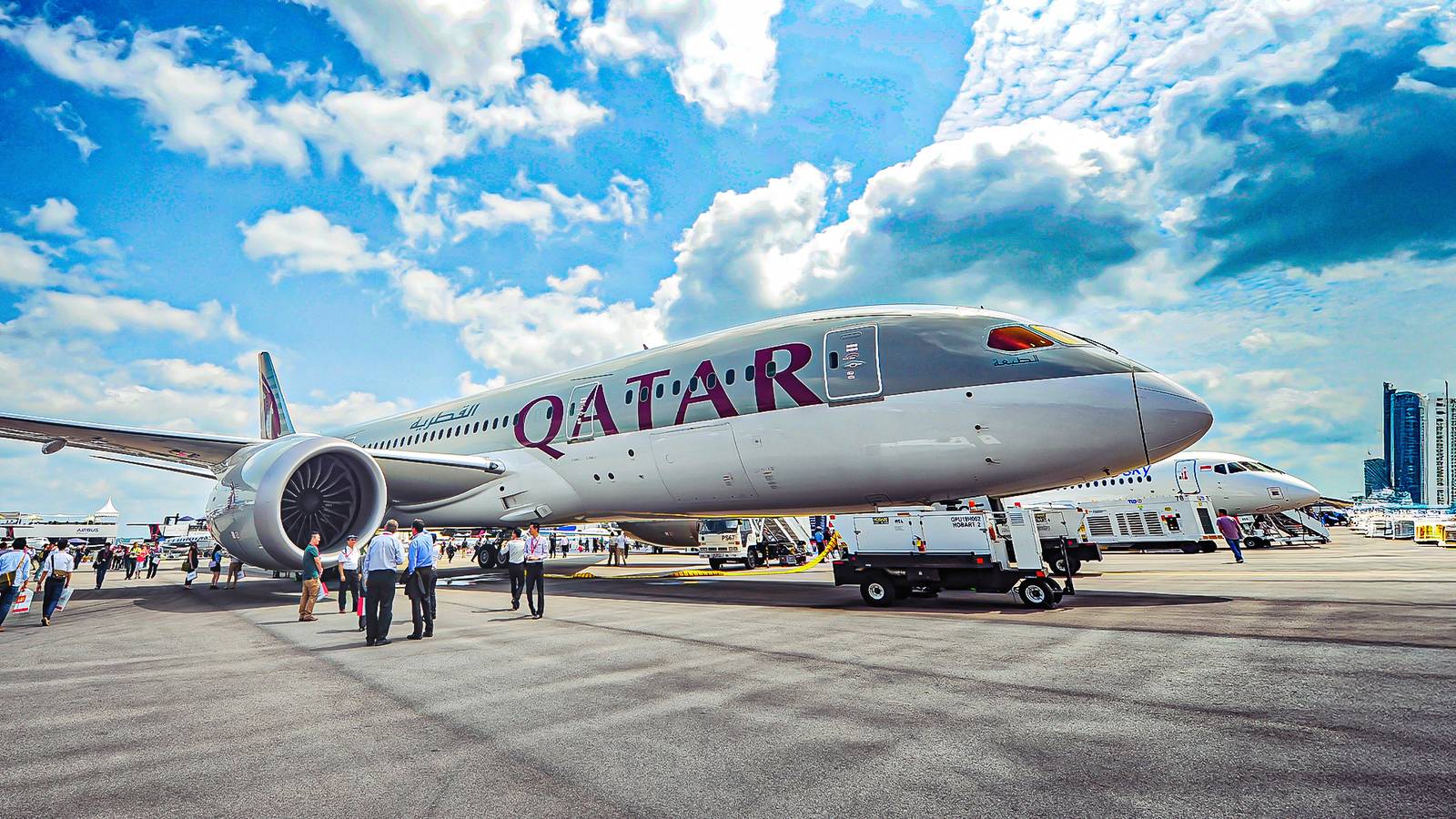
In May 2018, Qatar Airways commenced flights between Doha Hamad International Airport (DOH) and Cardiff International Airport (CWL), marking a significant milestone as the first Gulf carrier to connect with Wales directly. Despite skepticism from industry analysts regarding the viability of this route, the airline operated the service up to five times weekly using the Boeing 787-8 Dreamliner. The goal was to harness unmet demand from Wales and broaden its European operations. However, the initiative’s longevity quickly came into question.
Initial Hopes and Government Support
Upon its launch, the Cardiff route symbolized an ambitious move for both Qatar Airways and the Welsh government. It was reported that substantial financial incentives were offered to the airline to establish this connection, underscoring its strategic importance for boosting Wales’ tourism and enhancing international accessibility. Initial operations included daily flights that promised convenient access to a variety of destinations across Asia, Africa, and Australia via Doha. Despite these optimistic beginnings, the route seemed to rely more on governmental backing than on concrete market demand.
Although government support was significant, passenger numbers did not meet expectations necessary for a sustainable operation. Statistics from the UK Civil Aviation Authority indicated that while approximately 90,700 passengers traveled on the Cardiff route in 2019, the load factor was only 59%. This meant that more than 40% of available seats went unfilled throughout the year. Many local travelers even voiced their disappointment when the route was suspended during the COVID-19 pandemic, prompting petitions to resume the service.
Challenges in Viability and Passenger Demand
Despite relatively decent passenger numbers, Qatar Airways faced challenges in financial viability on the Cardiff route. Gulf carriers typically need high passenger counts and premium demand to make long-haul routes profitable. Unfortunately, Cardiff generated traffic but not enough to justify the operational costs of operating widebody jets regularly. The onset of the pandemic led to the suspension of flights in 2020, and unlike Qatar Airways’ other UK routes, the Cardiff connection was never reinstated.
As travel patterns shifted, competition from nearby English airports like Bristol and London Heathrow began to eat away at Cardiff’s potential catchment area. Many passengers opted to travel to these larger airports for a wider array of international destinations, further complicating Cardiff’s ability to sustain an intercontinental connection. The result was a grim outlook for the Welsh airport in terms of regaining nonstop service to Doha.
A New Focus: Prioritizing Stronger Markets
In the wake of this experience, Qatar Airways has redirected its focus toward more robust UK markets. The airline currently serves five major airports in the UK, including high-frequency services to London Heathrow and Manchester. With diverse aircraft on offer, such as the Airbus A350 and Boeing 777, Qatar Airways is prioritizing connectivity where demand is greatest.
The decision to pivot away from Cardiff highlights a broader strategy of concentrating resources in markets that promise higher returns. While Cardiff’s brief foray into Qatar Airways’ international network remains a noteworthy chapter in UK aviation, it highlights the importance of balancing governmental incentives with genuine market sustainability. As the airline continues to evolve, it’s clear that Cardiff’s return to direct service with Doha remains highly unlikely.
In conclusion, Qatar Airways’ experience with Cardiff International Airport serves as a case study in the complexities of establishing long-haul routes. Despite initial ambitions and government support, the financial realities and passenger dynamics ultimately dictated the fate of the Welsh connection, making it an unusual footnote in the annals of aviation.