
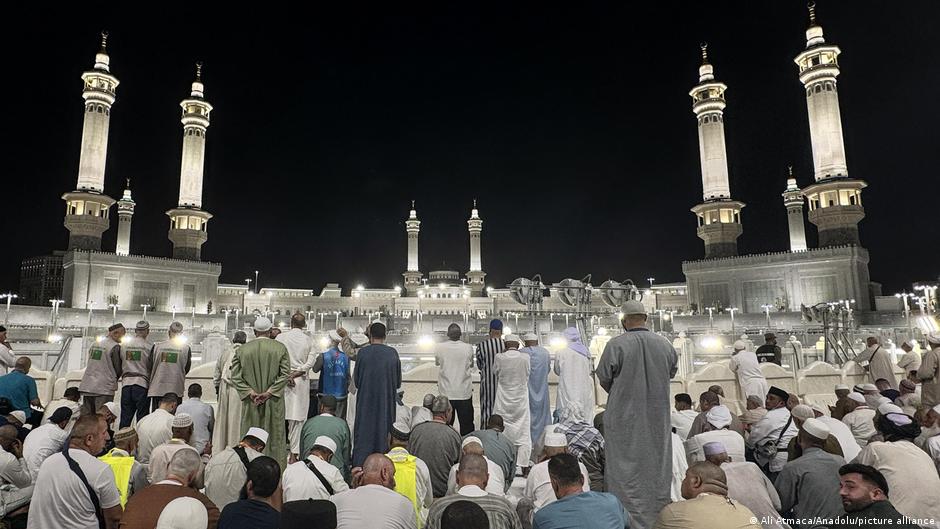
This year marks a significant moment for the Hajj pilgrimage, as Saudi Arabia proceeds with the event amid ongoing conflict that has directly impacted the country. The Hajj, which draws millions of Muslims to Mecca, is a sacred obligation for those who can undertake it at least once in their lifetime. Expected to take place from May 25 to May 29, this year’s pilgrimage anticipates approximately 1.5 million attendees, following three years of attendance figures ranging from 1.7 to 1.8 million.
The Historical Context of Hajj During Conflicts
Historically, the Hajj has only been canceled or restricted about 40 times in over 1,400 years, with the most recent occurrence during the COVID-19 pandemic in 2020. Managing such a vast influx of pilgrims within a short timeframe is inherently challenging. Saudi Arabia typically employs various measures, including crowd control strategies, security protocols, and logistical support for services such as food and medical care, especially under extreme weather conditions that can be dangerous. This year, however, those logistics are further complicated by the ongoing conflict in the region, stemming from tensions between the U.S. and Iran.
With a ceasefire currently in place, concerns linger over its stability. Just a few days ago, Saudi forces intercepted drones thought to be launched by pro-Iran militias. This situation has led international governments, including the U.S. and several European nations, to issue travel advisories, warning citizens to reconsider traveling to Saudi Arabia for the Hajj this year. These advisories reflect the heightened anxiety surrounding safety amid the ongoing conflict.
Travel Advisories and Pilgrim Sentiment
Amid the travel warnings, some organizations, like Germany’s Central Council of Muslims, assert that the religious commitment often overrides concerns about safety. Many pilgrims begin planning their journey over a year in advance, often investing significant resources that complicate decisions to cancel their plans. Reports indicate that while there might be some apprehension related to the conflict, very few pilgrims have chosen to alter their travel intentions, reflecting their dedication to fulfilling their religious duties.
Countries traditionally sending large contingents of pilgrims, like Indonesia, initially advised caution but have since normalized travel arrangements. Indonesian officials reported emergency plans are in place while also facilitating services for their pilgrims already in Saudi Arabia, highlighting how certain nations remain committed to ensuring their citizens can fulfill their religious obligations despite geopolitical tensions.
Potential Risks and Economic Implications
Experts generally view the likelihood of deliberate targeting of the Hajj as low, given its sacredness to Muslims, including those in Iran. However, there are legitimate concerns regarding unintended consequences, such as missile interception debris or errant drone strikes that could jeopardize the safety of both pilgrims and the holy sites. The Saudi government is enhancing its air defenses around pilgrimage locations, indicating a proactive approach to protecting the millions who gather for the event.
The broader economic implications of the ongoing conflict are also significant. Rising jet fuel costs, combined with inflation, are making the pilgrimage more expensive. Some governments, like Indonesia, have absorbed extra airfare costs, while others, such as India, have passed these increases on to pilgrims. This situation not only affects travel budgets but also forces many pilgrims to navigate issues like travel insurance, which may not cover conflict-related incidents and could add another financial burden.
In conclusion, while the Hajj remains a pivotal event for Muslims worldwide, this year’s pilgrimage is marked by complexities stemming from international conflicts and logistical challenges. As millions prepare to embark on this sacred journey, the interplay between faith, geopolitical strife, and economic reality continues to shape their experiences.