
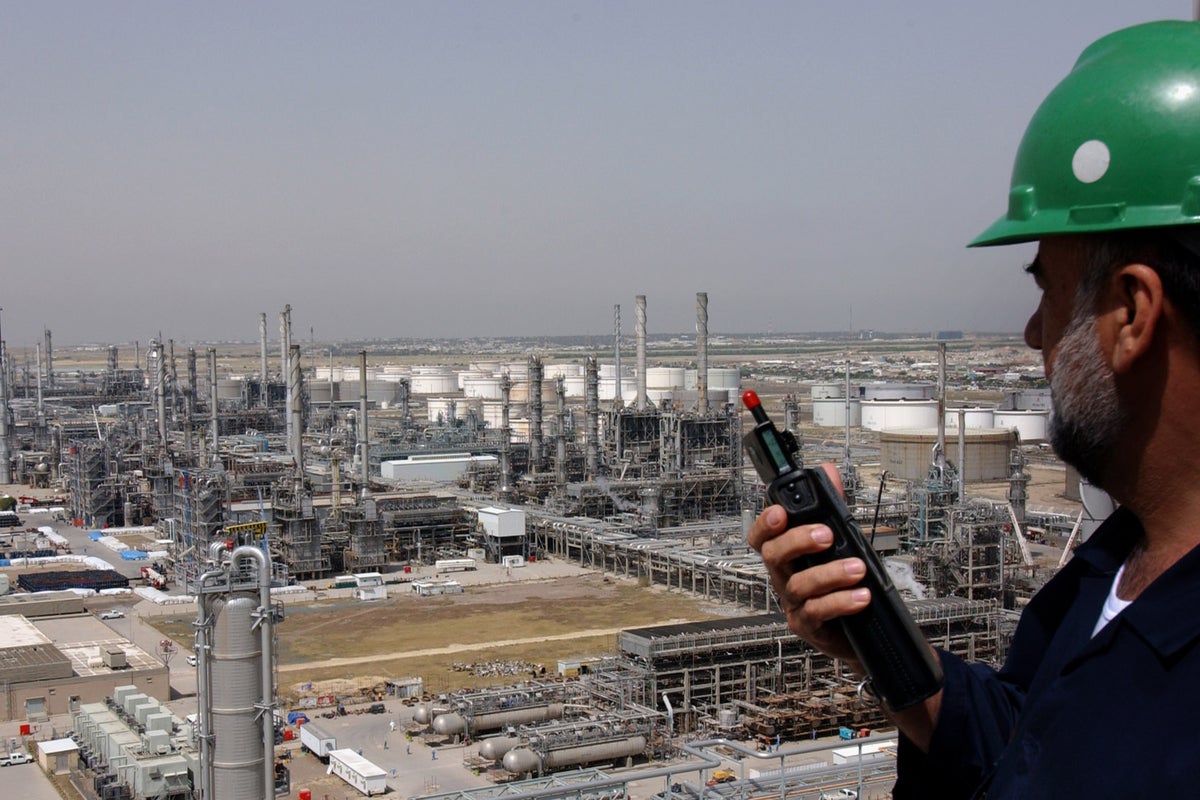
A recent development in the OPEC+ alliance indicates a slow rebound in oil production as several member countries plan to increase their output. This decision comes in the wake of falling fuel prices, which have reached levels reminiscent of the period before the conflict between the U.S. and Iran.
OPEC+ Production Increase Details
On Sunday, OPEC+ announced that seven of its member nations would collectively boost their oil output by 188,000 barrels per day starting in August. This marks the fifth consecutive month that OPEC+ has decided to increase oil production. Among the countries involved in this decision are Saudi Arabia, Russia, Iraq, Kuwait, Kazakhstan, Algeria, and Oman. The group expressed its commitment to closely monitor market conditions and emphasized the need for a careful approach to ensure stability within the oil market.
Market Impact and Recent Agreements
The recent optimism in the oil market has led to a significant drop in crude oil prices, particularly following the interim agreement between the U.S. and Iran aimed at alleviating hostilities. As part of this broader understanding, Iran has agreed to permit ships to navigate freely through the Strait of Hormuz, a crucial passage responsible for a significant portion of the global oil supply. In return, the U.S. plans to lift its blockade on Iranian ports, allowing more commercial vessels to transit the strait. However, despite these improvements, ship traffic remains subdued compared to pre-war levels, and ongoing tensions in the region present challenges.
Current Oil Prices and Production Challenges
As negotiations between the U.S. and Iran continue, oil prices are trending downward. The international benchmark, Brent crude, recently closed below $72 per barrel, approaching pre-war price levels. This price is notably lower than the peak of nearly $120 per barrel reached in March, amid the surge of conflict. The war has severely strained global oil supplies, leading to an energy crisis that has influenced many economies across the world.
In the early stages of the war, many Middle Eastern oil producers were forced to reduce their output due to logistical challenges. According to S&P Global Energy, the full recovery of Gulf oil production is not expected until at least the first quarter of 2027. This situation highlights the ongoing repercussions of the conflict on the global oil market and underscores the potential for prolonged inflation in fuel prices and consumer goods.
Future Outlook
Energy experts indicate that, even after the cessation of hostilities, fuel prices and the overall cost of goods may remain elevated for an extended period. The precarious balance in the oil market, combined with geopolitical tensions, continues to shape the landscape for both producers and consumers alike. The decisions made by OPEC+ in the coming months will be crucial for determining the extent of recovery in oil prices and production stability.