
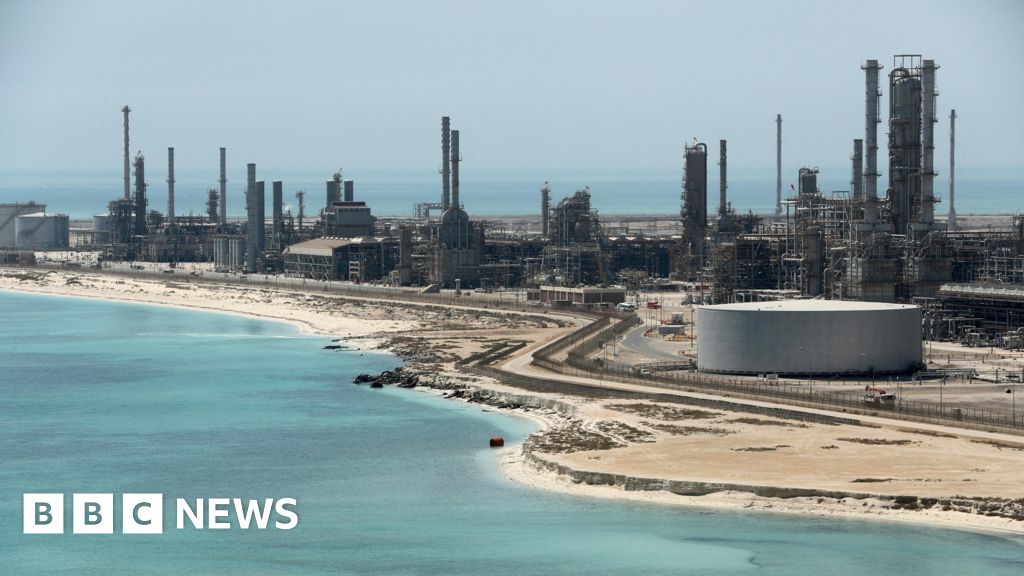
The aviation industry constantly grapples with challenges related to safety and operational efficiency. Recently, an incident involving an aircraft owned by Aramco, the renowned state oil corporation of Saudi Arabia, has drawn significant attention. The circumstances surrounding the crash are currently under thorough investigation, prompting questions about aviation safety protocols and regulations.
Overview of the Incident
The aircraft, linked to Aramco, met with an unfortunate accident that raised immediate concerns among industry experts and aviation authorities. While details are still emerging, the incident has underscored the importance of stringent safety measures and robust emergency protocols within the aviation sector. Investigators are delving into various factors that could have contributed to this tragic event, including mechanical failures, weather conditions, and human error.
Possible Causes Under Investigation
As the investigation unfolds, multiple potential causes of the crash are being examined. Mechanical failure is often a primary suspect in aviation accidents, compelling inspectors to scrutinize the aircraft’s maintenance history and operational logs. Additionally, environmental factors such as visibility, wind patterns, or other weather-related elements could have played a role in creating hazardous flying conditions. The human element, encompassing pilot training and decision-making processes, is equally critical to understanding what transpired.
Impact on Aviation Safety Standards
Incidents like this one can have far-reaching implications for aviation safety standards. If the investigation reveals systemic issues, it may prompt regulatory bodies to revisit and possibly revise existing safety protocols. Airlines and aviation companies may also feel the ripple effects of this crash, leading them to conduct their assessments and enhance training programs for their personnel. The ultimate goal will be to prevent future accidents and ensure that air travel remains one of the safest modes of transportation.
The Role of Technology in Safety Improvements
Modern technology plays a pivotal role in enhancing aviation safety. Advanced avionics and real-time data monitoring systems can provide critical insights that help pilots make informed decisions during flights. New training methodologies, coupled with cutting-edge simulation tools, ensure that pilots are well-prepared to respond to various emergency scenarios. As the investigation progresses, insights gathered will likely encourage further investment in technology to reinforce the safety measures already in place.
The crash involving Aramco’s aircraft serves as a stark reminder of the uncertainties in aviation and the continuous need for vigilance. As the investigation unfolds and insights are shared, it will contribute to a broader conversation about enhancing safety and efficiency in the industry. By proactively addressing these issues, the aviation community can strive to maintain its reputation for reliability while safeguarding the lives of passengers and crew members.