
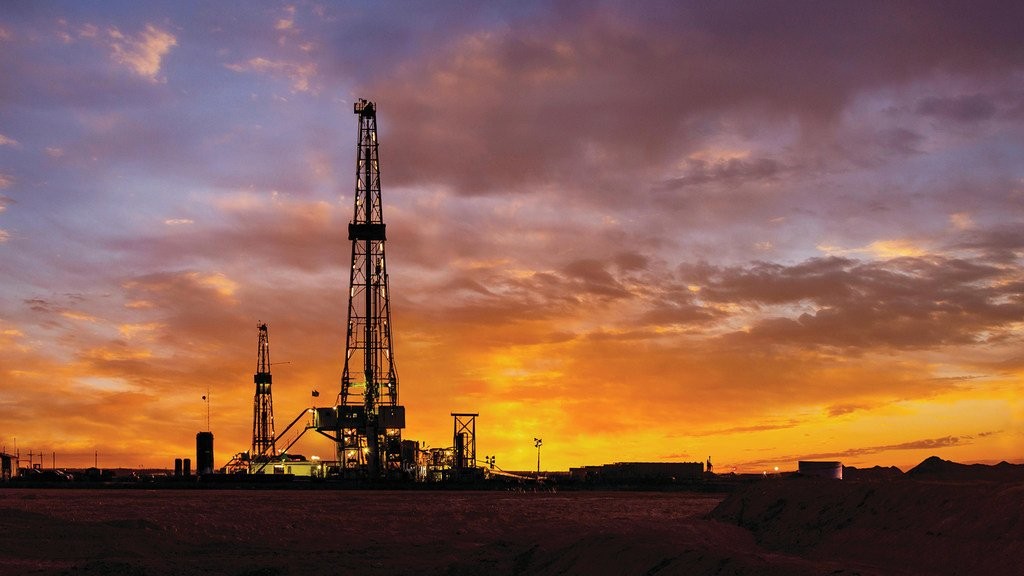
The United States has consistently led the world in oil consumption, but since 2018, it has also claimed the title of the largest oil producer. This significant shift has not only solidified the U.S. position in the energy market but has also cast a long shadow over other major players, including Russia and Saudi Arabia.
Factors Behind U.S. Oil Dominance
The shale revolution, particularly the surge in production from the Permian Basin, has been instrumental in the U.S. maintaining its status as the top oil producer. These advancements allowed the country to increase its oil output even as other nations contended with production cuts. For instance, OPEC+ countries, such as Saudi Arabia and Russia, have faced limitations due to voluntary production limits and geopolitical tensions, like the ongoing conflicts involving Iran and Ukraine. This has enabled the U.S. to not only distribute oil supplies globally but also to build a more robust domestic production base.
In 2025, U.S. oil demand witnessed a notable recovery, nearing pre-pandemic levels and nearly matching the record numbers from 2018. The latest data shows that U.S. crude oil and condensate production reached an average of 13.586 million barrels per day (bpd), marking a 2.7% increase from the previous year. This accounted for 15.8% of global oil production, showcasing the U.S.’s key role in the international energy landscape.
Comparative Global Oil Production
When assessing global production levels, Russia and Saudi Arabia still rank among the top producers, but their output has been hindered in recent years. Russia produced an average of 10.161 million bpd in 2025, which declined slightly by 0.6%, leading to an 11.8% share of the global total. Conversely, Saudi Arabia reported production levels averaging 9.727 million bpd, an annual increase of 5.7%. However, this still paled in comparison to U.S. numbers, leading to the U.S. extending its lead in crude oil production.
The production statistics underscore a pivotal moment in the energy sector. The U.S. not only cemented its status as the leading oil producer but also established a significant gap between itself and other major oil-exporting nations. The Energy Information Administration highlighted that U.S. crude production was approximately 40% higher on average than that of both Russia and Saudi Arabia, which is a testament to its advanced extraction techniques and productive capabilities.
Future Trends in U.S. Oil Production
Looking ahead, predictions from the EIA indicate that U.S. crude production will continue to trend upward. With expectations of maintaining levels near 13.7 million bpd in 2026 and exceeding 14 million bpd in subsequent years, the future of U.S. oil production seems promising. Elevated prices resulting from geopolitical uncertainties, like the tensions in the Middle East, are also expected to drive growth in U.S. output.
Moreover, the U.S. has notably increased its crude oil exports, achieving record-high numbers amidst rising global demand for American fuels. Recent reports showed U.S. petroleum exports jumped by 15% in April compared to March, further solidifying the country’s role as a critical supplier on the global stage.
In conclusion, the U.S. has emerged as a cornerstone of global oil production, driven by advancements in shale technology, production efficiency, and rising domestic demand. With a commitment to maintaining its leadership, the U.S. will likely continue shaping the future dynamics of oil and energy worldwide.